
Yes — gas mini bikes are worth it if you’re looking for affordable outdoor fun, real throttle experience, and a machine that’s easy to own and maintain.
Below, we’ll break down what gas mini bikes really offer, how they compare to alternatives, and who they’re best for — so you can decide if one belongs in your garage.
What Is a Gas Mini Bike?

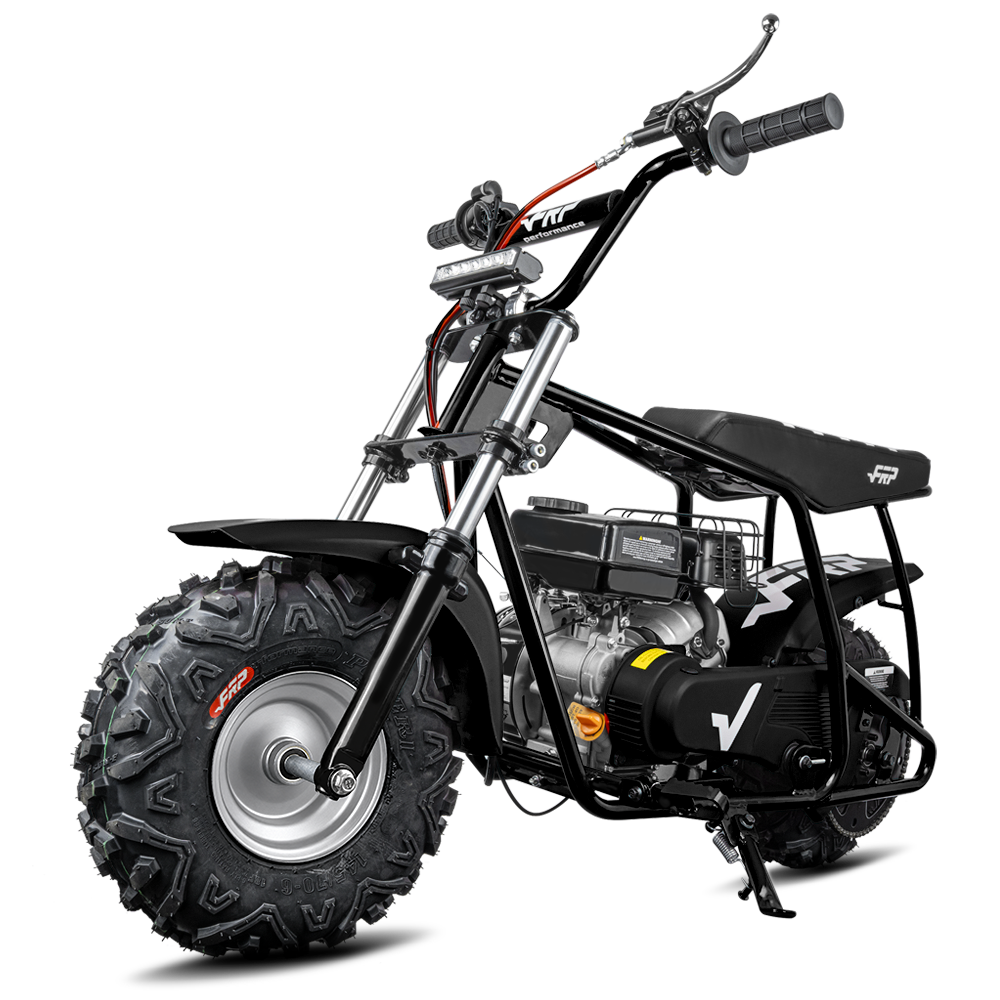
A gas mini bike is a small, engine-powered off-road bike designed for recreational riding on dirt, grass, and trail environments.
Unlike full-size dirt bikes, mini bikes focus on a lower seat height, manageable speed, and a beginner-friendly learning curve.
Most gas mini bikes use 4-stroke engines, making them more reliable, easier to maintain, and approachable for new riders.
They’re not race machines — they’re built for fun, freedom, and approachability.
Why Gas Mini Bikes Are Still Popular
Despite the rise of electric options, gas mini bikes remain popular for a few key reasons.
Real Throttle Feel
Gas engines deliver instant mechanical feedback. You feel the acceleration, engine sound, and torque — something many riders still prefer.
No Charging Anxiety
Fill up the tank and ride. No waiting hours for a recharge or worrying about battery lifespan.
Lower Entry Cost
Compared to electric alternatives with similar performance, gas mini bikes typically cost significantly less upfront.
Simple, Proven Technology
4-stroke engines have been around for decades — parts are accessible, repairs are straightforward, and upgrades are easy.
Gas Mini Bikes vs Electric Mini Bikes
Choosing between gas and electric mini bikes often comes down to how and where you ride.
Gas Mini Bikes
- Strong low-end torque
- Longer riding time per session
- Better for trails and off-road terrain
- Louder, more mechanical experience
Electric Mini Bikes
- Quiet operation
- Lower routine maintenance
- Limited range at comparable price points
- Heavily dependent on charging infrastructure
If your priority is extended outdoor riding and authentic motorized fun, gas mini bikes still hold a clear advantage.
What Makes FRP Gas Mini Bikes Different

Not all gas mini bikes are built the same. FRP focuses on balance — power, safety, and durability.
Reliable 99cc 4-Stroke Engine
FRP models like the GMB100 series use proven 99cc engines designed for smooth power delivery, consistent starts, and controlled top speeds (around ~28 mph).
This makes them approachable for beginners while still fun for experienced riders.
Sturdy Frame & Off-Road-Ready Build
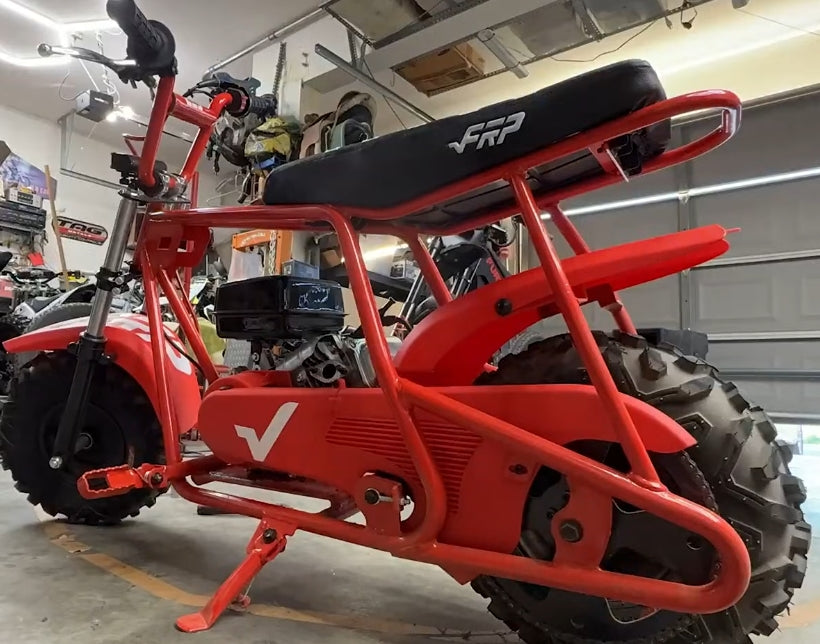
FRP mini bikes feature reinforced steel frames, stable wheelbase geometry, and off-road tires designed for dirt and grass.
The result is a ride that feels planted, predictable, and confidence-inspiring.
Safety-Focused Design
Key features include disc braking systems, full chain guards, and a responsive twist throttle. These elements help reduce surprises — especially important for younger or first-time riders.
Who Should Consider a Gas Mini Bike?
Gas mini bikes are a great fit if you’re:
- A parent looking for outdoor fun beyond screens
- A teen or adult wanting a first throttle-powered ride
- A casual trail rider who values simplicity over speed
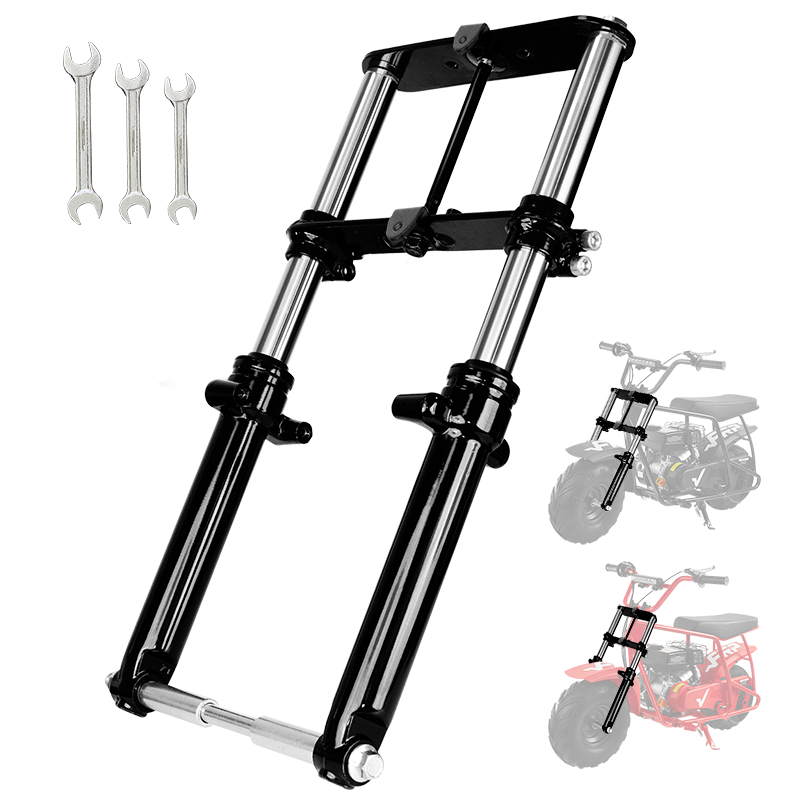
- Someone who enjoys DIY upgrades and personalization
They shine as weekend machines — not daily transportation, but something you look forward to riding.
Safety, Cost, and Ownership Considerations
Safety
Like any motorized vehicle, safe riding matters:
- Wear proper protective gear
- Ride on appropriate terrain
- Respect the bike’s limits
Mini bikes reward smooth control — not aggressive riding.
Cost of Ownership
Gas mini bikes are relatively affordable to own. Fuel costs are low, maintenance is straightforward, and replacement parts are widely available.
Compared to larger dirt bikes or high-performance electrics, long-term costs stay manageable.
When a Gas Mini Bike Might Not Be Right for You
A gas mini bike may not be ideal if:
- You need a street-legal commuter
- Noise restrictions are a concern
- You prefer a maintenance-free experience
- Riding is mostly indoors or urban
In those cases, electric or pedal-assist options may suit you better.
Final Verdict: Are Gas Mini Bikes Worth It?
If your goal is pure riding enjoyment, simplicity, and value, then yes — gas mini bikes are absolutely worth your time and money.
They deliver real engine experience, easy ownership, accessible performance, and family-friendly outdoor fun. For many riders, that combination is hard to beat.
FAQ
Are gas mini bikes legal to ride?
It depends on where you ride. In most places, gas mini bikes are intended for private property and off-road areas (like trails or designated riding zones). They’re typically not street-legal for public roads unless your local laws allow it and the bike meets registration, equipment, and compliance requirements. Always check your state or local rules before riding outside private land.
How fast can a 99cc gas mini bike go?
Speed varies by terrain, rider weight, setup, and conditions. For beginners, what matters most isn’t top speed — it’s predictable throttle control, safe braking, and learning in an open area before tackling trails.
Are gas mini bikes safe for kids?
Gas mini bikes can be safe for kids when the bike is age-appropriate, the rider is supervised, and proper gear is used (helmet, gloves, boots, long sleeves/pants). Start with a controlled practice area, teach smooth throttle and braking, and keep early sessions short. If a rider is very young or brand new, a smaller-displacement beginner model may be the better starting point.
What safety gear do you actually need for mini bike riding?
At minimum: a DOT-rated helmet and gloves. Strongly recommended: ankle-supporting boots, long sleeves/pants, and eye protection. If you’re riding trails or riding frequently, consider knee and elbow protection. Gear is the fastest, most cost-effective way to reduce injury risk.
How much maintenance does a gas mini bike require?
Most gas mini bikes are simple to maintain. Basic upkeep usually includes checking tire pressure, keeping the chain properly tensioned/lubricated, inspecting brakes, and following routine engine service intervals (like oil changes). Regular quick checks before riding help the bike run reliably and safely over time.
Is a gas mini bike worth it for beginners?
Yes — especially if you want a beginner-friendly way to learn throttle control and enjoy off-road riding without jumping into full-size dirt bikes. The key is choosing a manageable setup, practicing in a safe area, and focusing on smooth control rather than speed.
Next: Want help choosing the right FRP model? Read: Beginner’s Guide: Is the GMB100 Right for You?
What to Read Next
- → Mini Bike for Kids: Safety and Riding Tips from Real Parents — helmet fit, protective gear, and first-ride supervision guide.
- → What Age Is Right for a First Mini Bike? — age and skill guide — matches the model comparison above.
- → Parent's Ultimate Guide: Is Your Kid Ready? — gear, supervision, and readiness checklist.
- → FRP Moto Answers Hub — quick answers: price, oil, assembly, shipping, warranty.