
Published: August 20, 2026
TL;DR
Yes — you can build your own monkey bike–style mini bike without fabricating a frame from scratch.
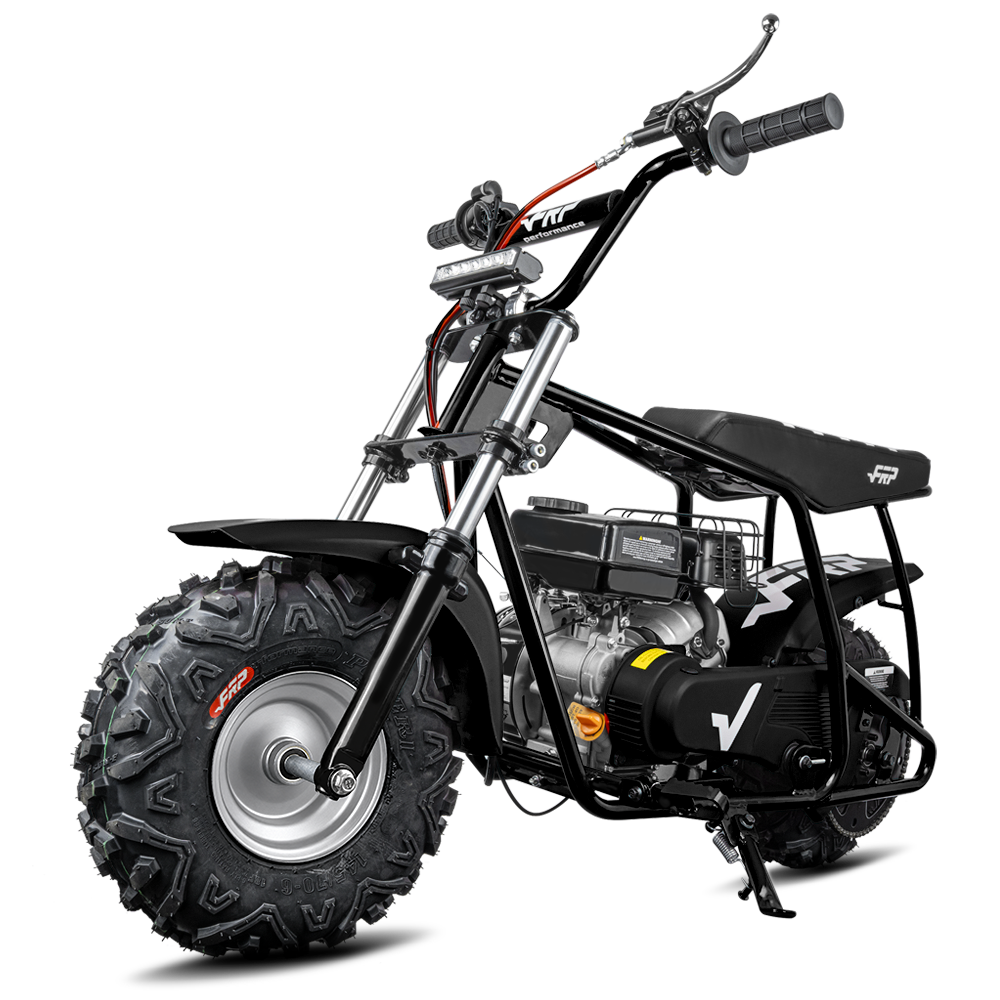
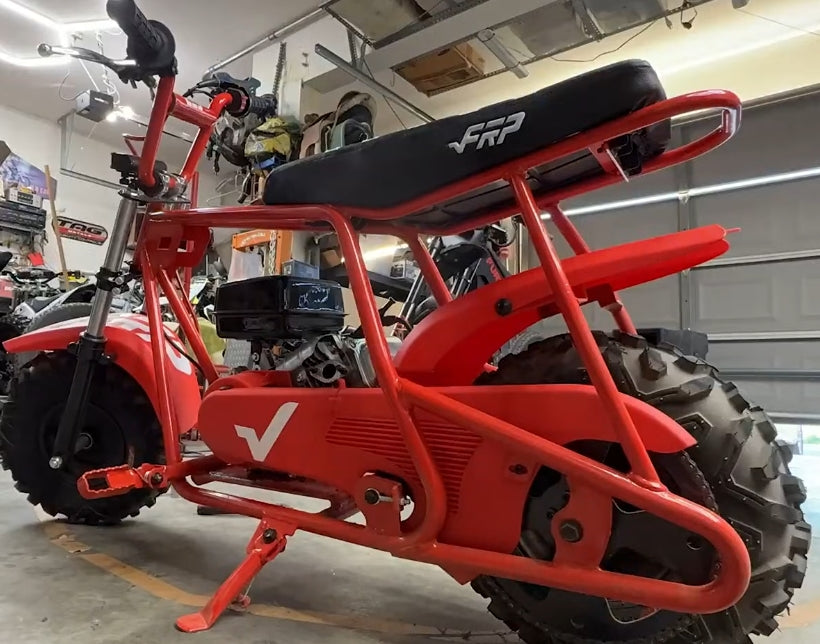
The easiest route is to start with a purpose-built mini bike frame, then add the engine, drivetrain, wheels, controls, seat, and other parts your setup requires. The FRP GMB100 frame is $319.99, comes with a universal engine mounting plate and pre-installed hydraulic brake system, and accepts common horizontal-shaft engines including the Predator 212.
But there is an important catch:
Building is usually not the cheapest way to get a mini bike.
A complete 99cc GMB100 currently starts at $399.99, only about $80 more than the frame itself. If your main goal is to ride, buying the complete bike makes more sense. If your goal is a custom engine, custom drivetrain, unique color, or a garage project you can make your own, start with the frame.
Build for customization. Buy for value and convenience.
 Shop the GMB100 Frame →
Direct Answer: Can You Actually Build Your Own Monkey Bike?
Yes.
But first, it helps to define what you mean by a monkey bike.
The original Honda Monkey and Z50 established the small-wheel, compact-motorcycle look that made the term famous. A modern American mini bike built around a small horizontal-shaft engine is not the same machine as a Honda Monkey, even if riders sometimes use "monkey bike" loosely for compact custom builds.
If your goal is a small, simple, customizable gas mini bike with that same playful garage-built spirit, you have three realistic options:
- Restore or customize a true Honda Monkey/Z50-style bike.
- Build a mini bike from a purpose-built frame.
- Buy a complete mini bike and modify it over time.
For most first-time DIY builders in the U.S., option two or three makes the most sense.
And if you choose option two, the frame is where the project should start — not the engine.
Three Ways to Build a Monkey Bike–Style Machine
1. Restore or Build a True Honda Monkey–Style Bike
If what you really want is the classic Honda Monkey experience — small motorcycle engine, transmission, motorcycle-style chassis, and traditional Monkey proportions — start with a Honda Monkey, Z50, clone, or compatible restoration platform.
That is a different type of project from installing a Predator engine in an American mini bike frame.
It can be rewarding, but parts sourcing, electrical systems, transmissions, model-specific compatibility, and restoration work can make it a more involved project.
If you're researching what actually qualifies as a monkey bike, start here:
What Is a Monkey Bike — and Can You Still Buy One? →
2. Build a Mini Bike From a Purpose-Built Frame
This is the route most DIY builders mean when they talk about building a small gas bike in their garage.
Instead of welding tubing, setting steering geometry, fabricating an engine plate, and creating brake mounts yourself, you start with a finished chassis designed to accept common mini bike components.
The FRP GMB100 frame is built for this type of project.
It gives you:
- A high-strength steel frame
- Universal engine mounting plate
- Pre-installed hydraulic brake system
- Compatibility with common horizontal-shaft engines
- A platform with replacement and upgrade parts available
- No frame welding or engine-mount fabrication required for supported engines
FRP currently lists bolt-on compatibility with horizontal-shaft engines from 79cc to 225cc, including the Predator 212, Honda GX160/GX200, Tillotson 212, and many Honda GX-style engines using a standard 3/4-inch shaft.
That turns the project from frame fabrication into component selection and assembly.
 Shop the GMB100 Frame →
3. Buy a Complete Mini Bike and Customize It Later
This is the route that makes the most financial sense for a lot of riders.
The complete GMB100 currently starts at $399.99, while the standalone GMB100 frame is $319.99.
That means if you don't already own an engine and a pile of compatible parts, buying the complete bike can give you:
- Engine
- Wheels
- Tires
- Drivetrain
- Controls
- Seat
- Fenders
- Running hardware
- A bike you can actually ride
for surprisingly little more than the cost of the standalone frame.
You can then upgrade the same platform later.
So ask yourself one question before buying anything:
Do I want to build a mini bike, or do I mainly want to own and ride one?
If the answer is ride, buy the complete bike.
If the answer is build, keep reading.
 Shop the Complete GMB100 →
What Do You Actually Need to Build a Mini Bike?
A mini bike is not just a frame plus an engine.
Think of the build as several systems that all need to work together.
1. Frame
The frame determines:
- Engine mounting
- Chain alignment
- Brake placement
- Fork geometry
- Rider position
- Wheel clearance
- Seat placement
This is why starting with a proven frame saves so much work.
The GMB100 frame currently includes its universal engine mounting plate and hydraulic brake system, so those do not need to be purchased again as separate systems.
2. Engine
One of the most common choices is the Predator 212 because it is widely available and has a huge aftermarket.
But a 212 isn't your only option.
The GMB100 platform supports several common horizontal-shaft engine sizes and families, so choose the engine based on what you actually want from the bike rather than simply buying the largest engine you see.
A smaller engine makes sense if you want:
- Milder power delivery
- A stock-style build
- Easier recreational riding
A Predator 212 makes more sense if you want:
- Stronger acceleration
- A popular modification platform
- Wide aftermarket support
- A more performance-oriented adult build
If you've already decided on the Predator, don't duplicate that research here.
Read our dedicated guide instead:
How to Build a Mini Bike With a Predator 212 →
That guide covers the engine, drivetrain, gearing, clutch versus torque converter, and the actual 212-specific build decisions in more detail.
3. Drivetrain
The engine has to transfer power to the rear wheel.
Depending on your build, that typically means sourcing the appropriate:
- Centrifugal clutch or torque converter
- Chain
- Rear sprocket
- Related mounting hardware
This is one of the areas where compatibility matters most.
The engine fitting the frame does not automatically mean every clutch, sprocket, and chain combination will line up correctly.
Chain type, clutch bore, engine shaft, sprocket position, and final chain alignment all need to work together.
4. Wheels and Tires
Your wheel and tire choice should match where you plan to ride.
Knobby tires make more sense for:
- Grass
- Dirt
- Loose surfaces
- Backyard and trail riding
Street-style tires make more sense for smoother hard surfaces where permitted.
Don't choose tires based on appearance alone. Tire size affects clearance, gearing, ride height, and handling.
5. Controls
A running engine isn't useful unless you can control it.
Your build may require:
- Handlebar
- Throttle
- Throttle cable
- Kill switch
- Grips
- Brake controls
A reachable engine shutoff is especially important on a custom build.
6. Seat and Body Parts
Once the mechanical systems are sorted, you can finish the bike with:
- Seat
- Front fender
- Rear fender
- Color-matched parts
- Lighting for appropriate riding situations
- Cosmetic accessories
This is the point where a DIY build starts becoming your bike instead of a collection of parts.
What Comes With the GMB100 Frame — and What Do You Still Need?
This is where DIY builds often get confusing.
The GMB100 frame is not just a bare welded steel skeleton, but it also isn't a complete rolling mini bike.
FRP currently lists the frame package with:
- GMB100 upgraded frame
- Pre-installed hydraulic brake system
- Universal engine mounting plate
- Tool kit
- User manual
You still need to build out the remaining systems required by your chosen setup.
That can include your:
- Engine
- Clutch or torque converter
- Chain and sprocket
- Wheels and tires
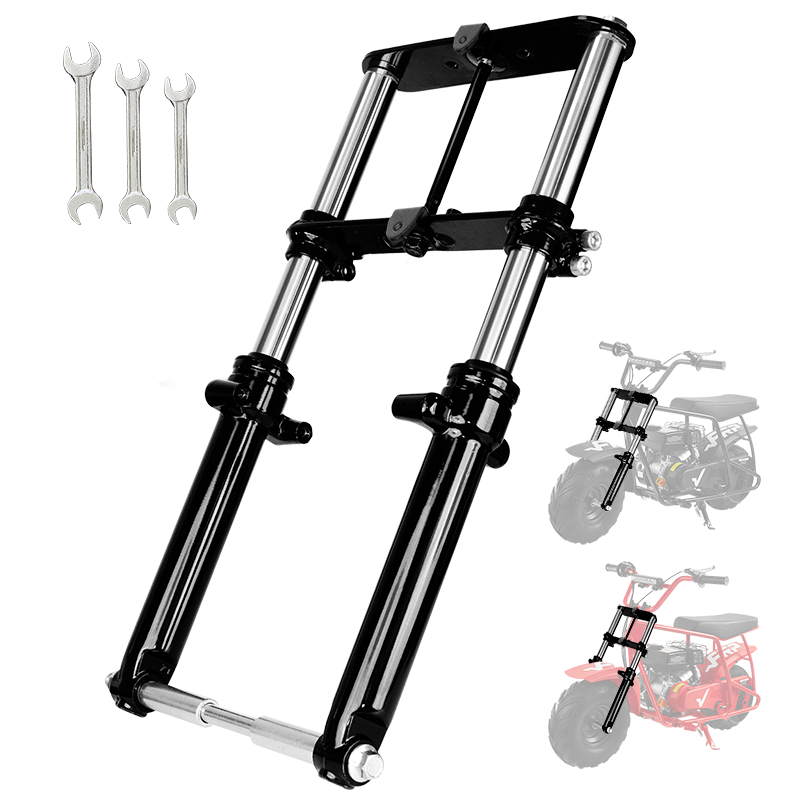
- Fork and steering components
- Throttle and controls
- Seat and body parts
- Build-specific hardware
Exactly what you need depends on how complete you want the starting chassis to be and which components you already own.
That's why a DIY mini bike should be planned as a system, not a shopping cart assembled one product at a time.
Do You Need to Weld?
Not if you're starting with a frame designed for the engine and components you plan to use.
The GMB100 uses a universal engine mounting plate and is designed for bolt-on installation with supported engines. FRP specifically states that supported installations do not require welding or drilling the frame.
That is a very different project from fabricating a mini bike chassis from raw tubing.
Building from raw steel
You may need to handle:
- Cutting and bending tubing
- Welding
- Engine plate fabrication
- Steering geometry
- Brake mounts
- Wheel alignment
- Chain alignment
- Structural reinforcement
Building from a finished frame
You're primarily dealing with:
- Component fitment
- Fasteners
- Engine positioning
- Drivetrain alignment
- Cable routing
- Controls
- Final adjustments
It's still a mechanical project, but you're starting with the hardest structural decisions already made.
Is a Predator 212 the Best Engine for the Build?
It depends on what you're trying to build.
The Predator 212 is popular for a reason: it's common, relatively inexpensive, simple, and supported by a huge mini bike and kart aftermarket.
But "most popular" does not automatically mean "best for everyone."
Choose a smaller stock-style engine if:
- You want a simpler recreational bike
- Maximum performance isn't the goal
- You're trying to recreate the feel of a stock GMB100
- You value a milder power delivery
Choose a Predator 212 if:
- You're intentionally building rather than restoring
- You want stronger low-end performance
- You want access to a large aftermarket
- You expect to experiment with the drivetrain later
And if you're already at the point of comparing clutches, torque converters, sprockets, and gearing, move to the dedicated Predator guide rather than trying to solve all of that in a general monkey bike article.
How Much Does It Cost to Build Your Own Mini Bike?
This is where the answer surprises most first-time builders.
Building is usually not the cheap option.
The GMB100 frame currently costs $319.99.
The complete 99cc GMB100 currently starts at $399.99.
So the price gap between the frame and a running complete bike is only about $80 before you start adding parts to the frame build.
Once you add an engine, drivetrain, wheels, tires, controls, seat, body parts, and miscellaneous hardware, a true from-scratch build can easily cost more than buying a complete stock mini bike.
And that's normal.
You don't build one because every individual component somehow adds up to less money.
You build one because you want control over what those components are.
Build vs. Buy: The Honest Comparison
| Build From the GMB100 Frame | Buy a Complete GMB100 | |
|---|---|---|
| Starting price | $319.99 frame | $399.99 complete bike |
| Engine | You choose | 99cc included |
| Drivetrain | You choose | Included |
| Wheels & tires | Build-dependent | Included |
| Controls | Build-dependent | Included |
| Customization | Maximum | Upgrade over time |
| Mechanical work | Higher | Lower |
| Best for | DIY builders | Riders |
| Main advantage | You choose the build | Exceptional value |
Current FRP pricing makes the distinction especially clear.
Build if:
- You already own some of the parts
- You specifically want a Predator 212
- You want to choose your drivetrain
- You want a custom color or component combination
- The project itself is part of the fun
Buy if:
- You want to ride soon
- You're new to mini bikes
- You don't already own compatible components
- You're trying to minimize total cost
- You're not interested in troubleshooting fitment
There is no prize for taking the harder route.
The right answer is the one that matches why you're buying the bike in the first place.
Is Building a Mini Bike Hard?
There are two very different answers.
Building the frame yourself?
Yes.
That's fabrication.
You're responsible for structural strength, steering geometry, brake placement, wheel alignment, and drivetrain alignment. Getting one of those wrong can turn a fun garage project into a machine that doesn't track, stop, or drive correctly.
Building on a purpose-made frame?
Much more approachable.
You eliminate the welding and frame-design work, but you still need to correctly install and align mechanical components.
You should be comfortable with tasks such as:
- Using basic hand tools
- Following torque specifications
- Aligning a chain
- Installing controls
- Checking brake operation
- Inspecting fasteners
- Following engine and component manuals
For someone already comfortable working on bicycles, lawn equipment, go-karts, or small engines, it's a realistic garage project.
For a complete beginner who mainly wants to ride, the assembled-bike route is usually the better first step.
Why Start With the Frame Instead of the Engine?
Because an engine is easy to buy.
The chassis determines whether everything else actually fits.
A good build has to answer:
- Where does the engine sit?
- Does the engine mount without fabrication?
- Does the clutch line up with the rear sprocket?
- Where is the brake mounted?
- Does the tire clear the frame?
- Does the fork fit the intended wheel?
- Is the rider positioned comfortably?
- Are replacement parts available later?
Buying an engine first doesn't answer any of those questions.
Buying the right platform does.
That's why we recommend choosing the frame and intended drivetrain first, then sourcing the engine around that plan.
What About Suspension, Lights, and Other Upgrades?
Don't buy every upgrade before the bike runs.
Get the basic machine assembled, aligned, stopping correctly, and operating properly first.
Then decide what the bike actually needs.
Depending on how and where you ride, later upgrades could include:
- Suspension
- Different tires
- Different gearing
- Seat upgrades
- Lighting
- Storage or utility accessories
- Cosmetic parts
One of the advantages of starting with an established platform is that you can change the bike over time instead of trying to predict your final setup before you've ridden it.
So — Should You Build Your Own Monkey Bike?
If what you want is a custom garage project, yes.
Start with a proven frame, choose the engine and drivetrain around the type of riding you want to do, and build the machine piece by piece.
The GMB100 frame makes sense when your goal is:
"I know I want to choose the engine and build this bike myself."
But if what you really mean is:
"I want a fun little gas bike I can ride and modify later."
buying the complete GMB100 is hard to argue against.
At $399.99 for the complete bike versus $319.99 for the frame, you're getting an entire working machine for relatively little additional upfront cost.
You can always customize it later.
And if a Predator 212 eventually becomes part of that plan, the GMB100 platform gives you a path to that build without starting over. FRP specifically lists the standard GMB100 platform as compatible with the Predator 212 swap.
Build because you want to build.
Buy because you want to ride.
Either way, start with a platform you can keep changing.
FAQ
Can you build your own monkey bike?
Yes. If you mean a compact custom mini bike rather than a true Honda Monkey restoration, the easiest route is to start with a purpose-built mini bike frame and add the engine, drivetrain, wheels, controls, and body components you want. Starting with an engineered frame eliminates most of the welding and chassis fabrication.
Is the FRP GMB100 the same as a Honda Monkey?
No. The GMB100 is an American-style gas mini bike, while the Honda Monkey comes from Honda's small-displacement motorcycle family. They share the appeal of compact size, simple fun, and customization, but they are different types of machines.
Does a Predator 212 fit the GMB100 frame?
Yes. FRP lists the Predator 212 as a bolt-on compatible engine for the GMB100 frame. The frame uses a universal engine mounting plate and supports multiple common horizontal-shaft engines.
What engines fit the GMB100 mini bike frame?
FRP currently lists compatibility with common horizontal-shaft engines from 79cc to 225cc, including the Predator 212, Honda GX160/GX200, Tillotson 212, and many Honda GX-series clones using a standard 3/4-inch shaft. Always verify the exact engine and drivetrain combination before ordering parts.
What comes with the GMB100 frame?
The current frame package includes the GMB100 upgraded frame, pre-installed hydraulic brake system, universal engine mounting plate, tool kit, and user manual. The engine is not included.
Do I need to weld a Predator 212 onto the GMB100 frame?
No. The GMB100 frame is designed for bolt-on installation of compatible engines including the Predator 212, so the frame does not need to be welded or drilled for the supported engine installation.
What else do I need after buying the frame?
Your exact parts list depends on the build, but you'll typically need to complete the engine, drivetrain, rolling gear, controls, seat/body components, and associated hardware that are not already part of your frame package. FRP specifically identifies the engine, clutch, chain, and sprocket among the typical components needed to finish the build.
Is it cheaper to build or buy a mini bike?
Usually, buying is cheaper. The complete GMB100 currently starts at $399.99 while the standalone GMB100 frame is $319.99, so sourcing the remaining parts individually can quickly push a custom build above the price of the complete bike.
Is building a mini bike difficult?
Building on a purpose-built frame is much easier than fabricating the chassis yourself because the frame geometry and major mounting points are already established. You still need to correctly install, align, adjust, and inspect the mechanical components, so basic mechanical ability is important.
Should I build a mini bike or buy one?
Build if customization and the project itself are the goal. Buy if you mainly want the best value and the fastest path to riding. You can also buy a complete GMB100 now and modify the same platform later.
Start Your Build
Want to choose your own engine and drivetrain?
Shop the GMB100 Mini Bike Frame →
Want to ride first and modify later?
Shop the Complete GMB100 →
Already decided on a Predator 212?
Read the Complete Predator 212 Mini Bike Build Guide →
Still figuring out what a monkey bike actually is?
Read: What Is a Monkey Bike — and Can You Still Buy One? →