
Table of Content
- What's the Actual Difference Between a Mini Dirt Bike and a Mini Bike?
- Mini Dirt Bike vs Mini Bike: Which Is Safer for a Beginner Kid?
- What Age Is Right for a Mini Dirt Bike for Kids?
- Mini Dirt Bike vs Mini Bike for Kids: Terrain, Maintenance, and Cost
- How to Choose Between a Mini Dirt Bike and a Mini Bike in 4 Steps
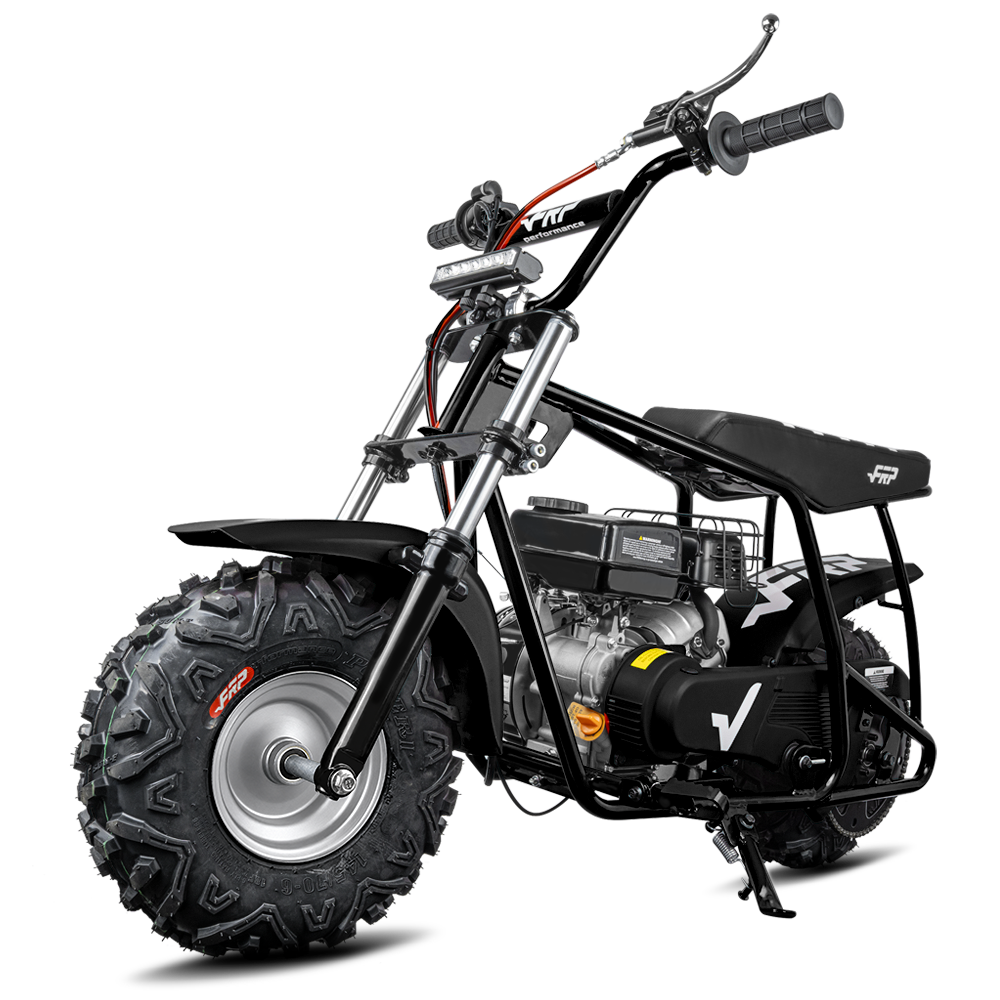
- Why the FRP GMB100 Works as a First Gas Bike for Older Kids
- When Should You Add Training Wheels to a Kids' Mini Dirt Bike?
- FAQ
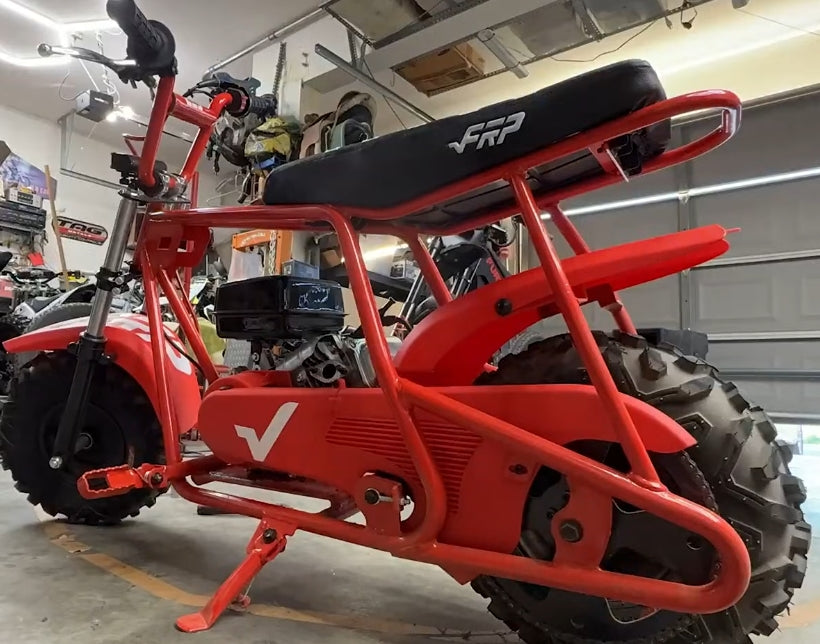
Choosing between a mini dirt bike for kids and a standard mini bike is a terrain decision first, a size decision second — and the answer depends entirely on where your child will actually ride. For backyard grass, flat private land, and family riding sessions, a mini bike like the FRP GMB100 is the more practical match: 32″ seat height, 79.5 lbs total weight, and a 99cc 4-stroke engine that tops out at 28 mph — fast enough to feel real, controlled enough for a first gas-powered machine. For dedicated off-road trail riding with significant terrain variation, a mini dirt bike's higher suspension travel and raised seat geometry earn their place. This guide lays out the real differences so you buy the right machine the first time.
What's the Actual Difference Between a Mini Dirt Bike and a Mini Bike?
A mini dirt bike is designed for off-road terrain: longer suspension travel, a higher seat height, and a frame geometry that handles jumps, ruts, and choppy ground. A mini bike is designed around flat-ground performance — lower seat, shorter wheelbase, and a more upright riding position that prioritizes stability and easy foot contact over rough-terrain capability. The practical consequence is that a dirt bike's higher center of gravity makes it harder to balance at low speed on flat ground, while a mini bike's lower profile makes it more intuitive for a new rider whose instinct is to put a foot down when uncertain. Both are legitimate machines — they just solve different riding problems. Verify the youth powersports vehicle classification and safety standards

Mini Dirt Bike vs Mini Bike: Which Is Safer for a Beginner Kid?
For a child riding their first gas-powered machine on flat terrain, a mini bike is the safer starting point. The GMB100's 32″ seat height lets most riders ages 9 and up reach the ground with confidence — a child who can touch down instinctively recovers from slow-speed wobbles without panic. A mini dirt bike's raised seat height is an asset on trail terrain where ground contact at a stop is rare, but on a backyard circuit or open field, it creates unnecessary instability for a rider still learning throttle control. At 28 mph on flat ground, the consequence of losing balance is real — a machine where both feet reach the ground at a stop removes one variable from an already demanding learning curve.
What Age Is Right for a Mini Dirt Bike for Kids?
Age is a reference point, not a rule — inseam length and body weight are the variables that actually determine safe fit. For children ages 5–8 with inseams under 22″ and weight under 65 lbs, a 40cc machine with a seat height under 24″ is the appropriate starting category. For ages 9–12 with inseams between 24–30″ and weight between 65–120 lbs, the 50–99cc range opens up — including entry-level mini dirt bikes and the FRP GMB100. For ages 13 and up, a 99cc machine at full capacity is appropriate for riders who have developed consistent throttle and braking control. The general principle holds across both categories: the machine should fit the child's current body, not the age on the box.

Mini Dirt Bike vs Mini Bike for Kids: Terrain, Maintenance, and Cost
Terrain is the deciding factor between these two categories. A mini dirt bike for kids requires legitimate off-road terrain to justify its suspension and geometry — riding it on flat grass produces a bouncy, overly responsive machine that's harder to control than its lower-slung counterpart. A mini bike handles grass, packed dirt, gravel, and flat private land correctly, without requiring the rider to manage suspension dynamics on every input. Maintenance complexity also differs: a dirt bike's suspension components require periodic fluid checks and sag adjustments; a mini bike's primary maintenance items are chain tension, oil changes, and tire pressure — all achievable with basic hand tools in under 15 minutes. The FRP GMB100 backs its maintenance simplicity with 300+ parts in stock, which means no waiting on obscure components when something needs replacing.

How to Choose Between a Mini Dirt Bike and a Mini Bike in 4 Steps
Step 1: Identify your actual riding terrain — if you have backyard grass, flat private land, or open fields, a mini bike covers that terrain correctly; if you have designated off-road trails with significant elevation changes, a dirt bike's suspension earns its place. Step 2: Measure your child's inseam and compare it to the seat height — the rider's inseam should meet or exceed the seat height for confident flat-foot contact; the GMB100's 32″ seat height fits most riders with a 30″+ inseam. Step 3: Assess your child's riding experience honestly — a child who has never operated a throttle before benefits from a lower, more stable platform; a child with experience on smaller machines can step into either category with appropriate supervision. Step 4: Evaluate your maintenance capacity — a mini bike's maintenance requirements fit a 30-minute schedule before each riding season; a dirt bike's suspension and drivetrain demand more frequent attention from a parent willing to invest that time.
Why the FRP GMB100 Works as a First Gas Bike for Older Kids
The GMB100 hits the specifications that make a first gas-powered machine work for an older child. The 99cc OHV engine produces enough power to feel genuinely engaging — this isn't a machine that rewards by going slowly — while the 28 mph ceiling keeps the experience in a range where a developing rider can build instincts without being overwhelmed. At 79.5 lbs, a parent can physically assist with positioning and loading; the 220 lbs max load means the machine accommodates adult riders on the same platform, so a parent can demonstrate technique on the same bike the child is learning on. The 85% pre-assembly means the machine is rideable the same day it arrives — no extended build session between purchase and first ride. (AMA youth rider training and safety program guidelines)
When Should You Add Training Wheels to a Kids' Mini Dirt Bike?
Training wheels are appropriate for children ages 4–7 who are building basic balance and throttle awareness on flat, open ground — not for technical off-road riding at any speed. A mini dirt bike with training wheels installed is only safe on smooth, level surfaces where the wheels maintain consistent ground contact; on loose dirt, gravel, or any terrain with lateral slope, training wheels create instability by preventing the natural lean correction that keeps a two-wheeled vehicle upright. The right time to remove training wheels is when the child can balance at a complete stop without touching the ground — that skill, not a specific age or number of riding hours, signals they're ready to manage the machine without the stabilizers. At that point, the riding experience changes completely: the child is controlling the machine rather than being supported by it.
FAQ
Can a 7-year-old ride a 99cc mini bike, or is that too much power for their age?
A 99cc machine is generally above the appropriate power level for a 7-year-old. Most 7-year-olds fit better on a 40cc machine with a seat height under 24 inches. The physical weight of a 99cc bike — 79.5 lbs on the GMB100 — is also difficult for a young child to manage if the machine tips at a stop.
Do mini dirt bikes require more maintenance than a standard mini bike over a full riding season?
Yes — dirt bikes require more maintenance. Suspension components, air filters in dusty conditions, and chain systems on trail-riding machines need more frequent attention than flat-ground mini bike setups. A standard mini bike's primary maintenance tasks — oil, chain, tire pressure — are simpler and less time-intensive across a full season.
What safety gear does a child specifically need before riding a mini dirt bike for the first time?
DOT-certified helmet, gloves, long pants, ankle-covering boots, and knee pads are the minimum. For a child on their first gas-powered machine, a chest protector or armored jersey adds meaningful impact protection for falls that are more likely early in the learning curve. No gear item on this list is optional.
Can the FRP GMB100 handle dirt trails, or is it only suitable for flat grass and packed surfaces?
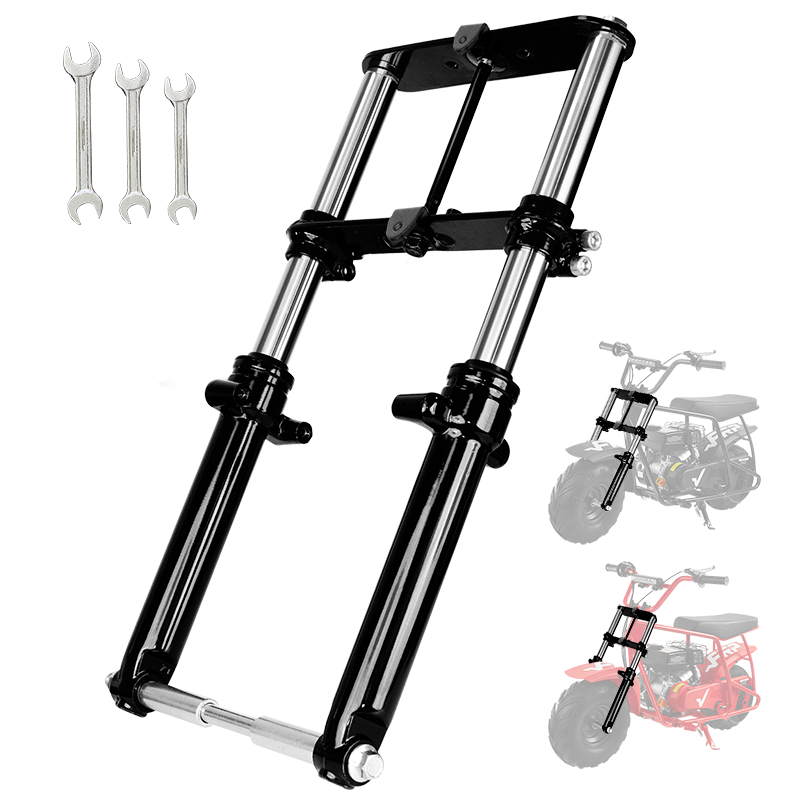
The GMB100 handles packed dirt, gravel, and moderate off-road surfaces confidently on its 145/70-6 knobby tires. Technical trail riding with significant rocks, roots, or steep grades exceeds its design scope — it's a flat-to-moderate terrain machine, not a dedicated trail bike. The GMB100P adds front suspension for riders who regularly push into more varied terrain.
Is it better to start a child on an electric mini bike before moving them to a gas-powered one?
Not necessarily — the transition between electric and gas requires relearning throttle feel and engine braking behavior, which some children find more confusing than starting on gas directly. The more relevant progression is from smaller displacement to larger, regardless of fuel type. Start at the right size for the child's body and experience level, not at the right power source.