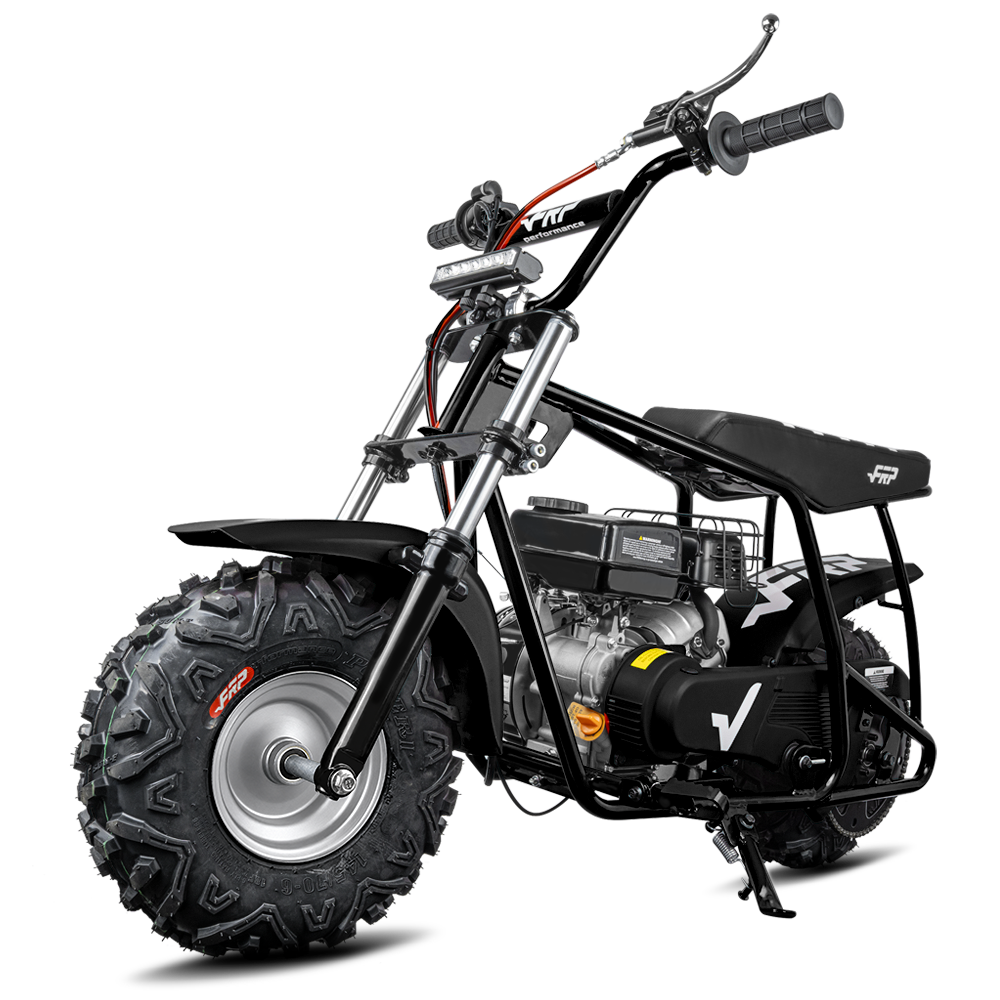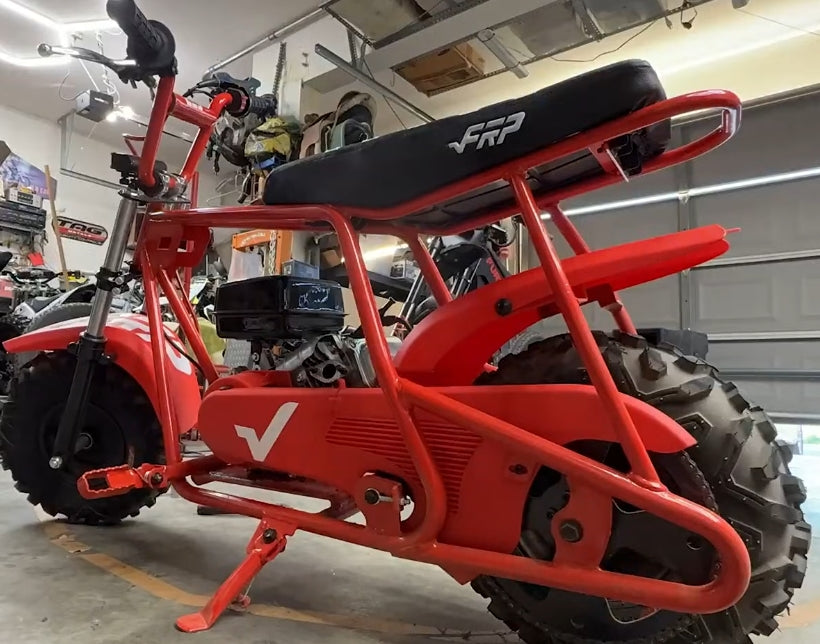

A gas mini bike is a compact, gasoline-powered two-wheeled vehicle built for off-road and private land riding — and if you're trying to figure out whether one belongs in your life, the FRP GMB100 makes the decision straightforward. It runs a 99cc 4-stroke OHV engine, hits 28 mph at full throttle, and handles up to 220 lbs of rider load on a tube-steel frame that's been tested over 10,000 km. This isn't a toy category dressed up with performance language — it's a purpose-built machine for people who want real riding experiences without the licensing complexity of a full motorcycle. The question isn't whether gas mini bikes are worth it. The question is whether you've actually been waiting long enough to get one.
Table of Content
- What Exactly Is a Gas Mini Bike, and How Does It Work?
- What Are the Key Specs That Actually Matter When Buying One?
- Gas Mini Bike vs Electric Mini Bike: Which One Should You Choose?
- Who Is a Gas Mini Bike Actually Built For?
- How to Choose the Right Gas Mini Bike in 5 Steps
- Why the FRP GMB100 Is Designed for Real Riding, Not Just Looks
- What Comes in the Box and What to Expect on Day One
- FAQ

What Exactly Is a Gas Mini Bike, and How Does It Work?
A gas mini bike is a small-displacement, gasoline-powered vehicle with a chain-driven rear wheel, a rigid or lightly suspended frame, and a single-cylinder engine in the 50cc–100cc range. It operates on the same basic mechanical principles as a full motorcycle — fuel combustion drives a piston, which turns a crankshaft, which transfers torque through a chain to the rear wheel — but in a package that weighs 79.5 lbs and fits in a truck bed. Gas mini bikes are not electric bikes, not scooters, and not children's ride-ons; they're functional off-road machines designed for private land and designated riding areas. The pull-start ignition, twist-grip throttle, and mechanical brakes give the rider direct, unmediated control over every aspect of the ride.
What Are the Key Specs That Actually Matter When Buying One?
Six numbers determine whether a gas mini bike is the right machine for a specific rider. Top speed: 28 mph — fast enough that you're making active decisions about braking and cornering, not just coasting. Engine: 99cc 4-stroke OHV — no fuel mixing required, reliable cold starts, consistent power delivery across a full session. Max load: 220 lbs — the structural ceiling for rider weight; exceed it, and you're affecting frame life, brake performance, and handling. Fuel tank: 0.36 gal — sized to deliver up to 30 miles of range, covering most backyard and off-road park sessions without a mid-ride stop. Net weight: 79.5 lbs — light enough to load solo into a truck or SUV cargo area. Dimensions: 50″ × 28″ × 32″ — proportions that work for riders from young teens to adults without requiring any frame modification.

Gas Mini Bike vs Electric Mini Bike: Which One Should You Choose?
Gas and electric mini bikes serve different rider priorities, and the right choice depends on how you actually ride. A gas-powered machine like the GMB100 refuels in under a minute at any gas station — electric models require charging infrastructure and wait times that can run 2–4 hours between sessions. Gas engines produce tactile feedback through the frame and handlebars that electric motors don't replicate; the vibration, the sound, and the smell of a 99cc engine running at full throttle are part of the experience for riders who want authenticity, not silence. Electric mini bikes typically require less routine maintenance — no oil changes, no carburetor cleaning — but gas machines have a far more established parts ecosystem; the GMB100 backs its 300+ parts in stock with accessible repair documentation. For extended sessions in remote locations where charging isn't available, gas is the only practical option.
Who Is a Gas Mini Bike Actually Built For?
Gas mini bikes are built for riders who want genuine outdoor performance on private land, not a living room display piece. The GMB100's 220 lbs max load accommodates teenagers through adults — the size guide shows riders from approximately 4'5″ up through adult height, finding a natural fit on the 32″ tall, 50″ long frame. The machine is designed for backyards, farms, open fields, and designated off-road riding areas — not public roads, sidewalks, or paved bike paths. Riders who want a street-legal commuter, a children's beginner toy, or a high-speed track machine are shopping in the wrong category. Gas mini bikes belong to the rider who wants to ride on their own terms, on their own land, without an audience of traffic laws telling them when to stop.

How to Choose the Right Gas Mini Bike in 5 Steps
Step 1: Match rider weight to max load rating — confirm the bike's rated capacity covers your body weight with a margin; the GMB100 handles up to 220 lbs.
Step 2: Evaluate your riding terrain — flat grass, packed dirt, gravel, and light trail surfaces are all within scope for the GMB100's 145/70-6 knobby tires; deep mud and technical rock terrain require a different machine category.
Step 3: Compare engine and brake specs — a 99cc OHV engine paired with a rear disc brake represents a balanced performance-to-control ratio for recreational off-road use; verify these specs are present, not estimated.
Step 4: Confirm the parts and support ecosystem — a machine with 300+ parts in stock and downloadable user manual documentation gives you a realistic service path after purchase.
Step 5: Check certification and warranty terms — EPA approval confirms the engine meets emissions standards; the GMB100's 75-day warranty provides a defined window for any mechanical issues that emerge during break-in riding.
Why the FRP GMB100 Is Designed for Real Riding, Not Just Looks
Every specification on the GMB100 exists to solve a riding problem, not to photograph well. The 99cc OHV engine was chosen for its overhead-valve airflow efficiency and clean 4-stroke operation — no premix, no smoke, no guesswork on fuel ratios. The tube steel frame provides rigid stability under load; the 145/70-6 pneumatic knobby tires deliver grip on loose surfaces where a slick tire would break traction mid-corner. The rear disc brake — rather than a drum brake — gives consistent stopping power in wet and dusty conditions where friction-based braking systems fade. The LED headlight extends usable riding hours into low-light conditions without adding significant weight. EPA certification after 10,000 km of road testing isn't a marketing badge — it's documentation that the machine performed consistently across real-world conditions before it shipped.
What Comes in the Box and What to Expect on Day One
The GMB100 arrives 85% pre-assembled — the major mechanical systems are factory-installed and pre-torqued before shipping. Riders complete the remaining assembly in under 30 minutes using basic hand tools: handlebars, seat bolts, and minor hardware connections covered step-by-step in the included user manual. Before the first pull of the start cord, check tire pressure in both 145/70-6 tires, verify the chain tension, and confirm the engine oil level — the GMB100's 4-stroke engine requires oil before operation, and it does not arrive pre-filled. The first ride should be at partial throttle for the initial 20–30 minutes to allow the engine to seat properly — the break-in period directly affects long-term engine performance and longevity. After that, the 28 mph ceiling is yours to explore.
FAQ
How old do you have to be to ride a gas mini bike legally in the US?
There's no federal minimum age for riding on private land. Most states set no specific age requirement for off-road riding on private property, but parental supervision is standard for younger riders. Public lands and OHV parks may impose their own age minimums. Check your state and county rules, and always pair younger riders with appropriate safety gear and supervision.
Can a gas mini bike handle grass and gravel, or is it only for flat, hard surfaces?
The GMB100 handles grass, packed dirt, and gravel confidently on its 145/70-6 knobby tires. Soft, wet grass adds rolling resistance and reduces effective top speed; loose gravel requires deliberate throttle control to avoid rear wheel slip. Hard-packed dirt is the optimal surface. Deep mud, standing water, and loose sand exceed the tire design's intended range and should be avoided.
What safety gear is actually required before riding a gas-powered mini bike?
A helmet is non-negotiable — DOT-certified full-face or motocross helmet at minimum. Gloves protect hands in a fall and improve grip control. Long pants and a riding jacket or heavy long-sleeve layer reduce road rash severity. Eye protection matters on dusty or debris-generating terrain. Knee and elbow pads are strongly recommended for newer riders still learning throttle and braking control.
How many hours of riding can you get before a gas mini bike needs its first service?
Plan the first oil change at 20 hours of riding or after the break-in period, whichever comes first. Check chain tension and lubrication every 5–10 hours. Air filter cleaning depends on riding conditions — dusty terrain accelerates filter loading significantly. Following the GMB100 user manual service intervals keeps the 99cc engine running at full performance across its service life.
Does the FRP GMB100 come with a warranty, and what does it actually cover?
The GMB100 comes with a 75-day warranty covering manufacturing defects in materials and workmanship. It does not cover damage from improper use, modifications, or normal wear components like tires, chains, and brake pads. FRP maintains 300+ parts in stock, which means warranty service and post-warranty repairs both have accessible parts support rather than extended back-order wait times.
Not sure which model is right for you? Browse and compare all FRP gas mini bikes — GMB100, GMB100P, MB40, and more — on the FRP Gas Mini Bikes page.