

TL;DR:
- Electric does not have to mean toy-like.
- Real-bike feel comes from hardware, not slogans.
- M3 content should explain brakes, frame, steering, and drivetrain.
- Durability language must be specific and verifiable.
- The best angle is long-term ride confidence.
The phrase "electric mini bike" can mean very different things. Some products feel like oversized ride-ons. Others feel closer to a real small powersports machine. Buyers can sense the difference quickly, even if they do not know which component caused it.
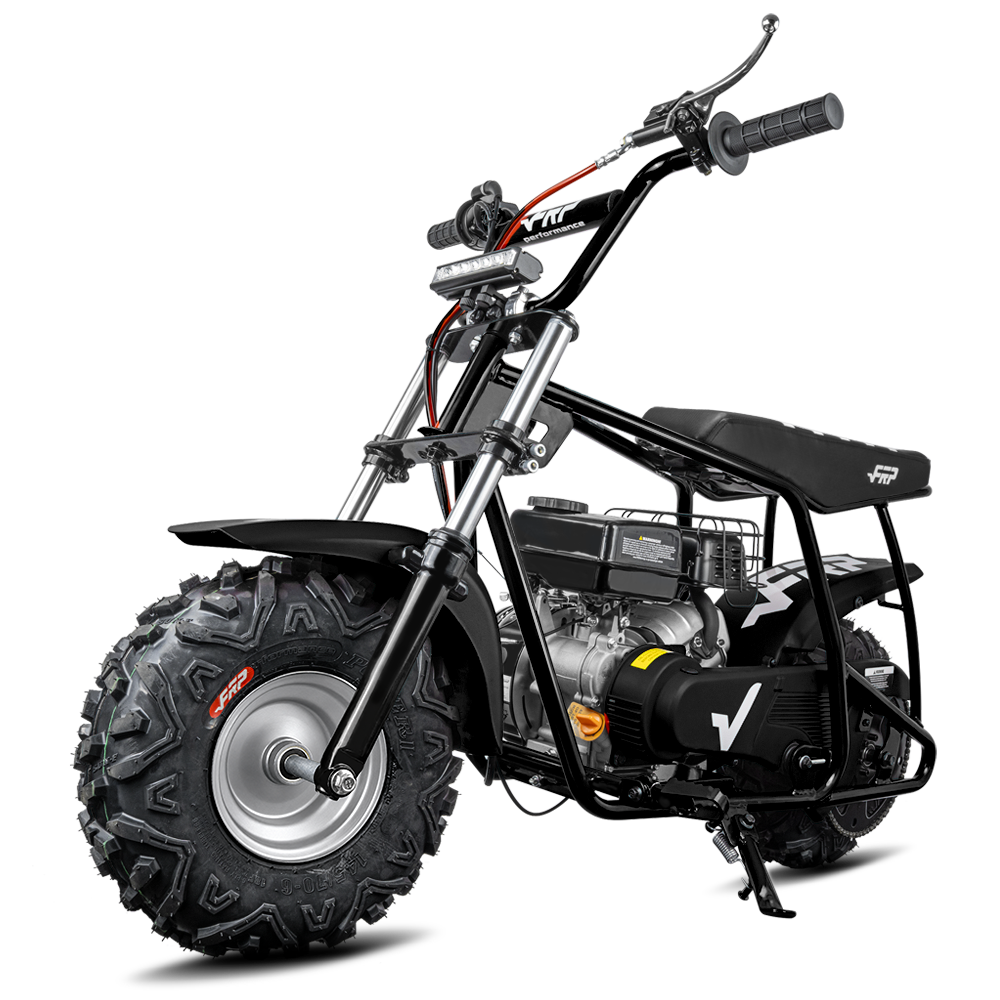
That is the opening for the M3. FRP Moto should not only say that the bike is electric. It should explain why the bike is being developed to feel like a real ride: stronger braking hardware, more serious steering support, a 420H chain drive, waterproof motor direction, frame surface treatment, adjustable rider fit, and tires chosen for more than a showroom photo.
This article is not about pretending every electric mini bike is the same. It is about giving the buyer a checklist for the difference between toy-like and ride-ready.
What makes an electric mini bike feel like a real bike?
A real-bike feel starts when the rider trusts the contact points. The steering should not feel loose. The brakes should not feel like an afterthought. The frame should look and feel like it was built for actual outdoor riding. The drivetrain should handle repeated torque. The tires should match the surface. The bike should also have a support path for parts, setup, and accessories.
That is why M3 content should focus less on one headline number and more on the system. A fast electric mini bike with weak brakes still feels sketchy. A quiet electric mini bike with vague steering still feels cheap. A stylish electric mini bike with no parts path becomes a short-term toy.
FRP Moto has a chance to turn M3 into a long-term-value story: not just electric fun, but an electric mini bike that feels serviceable, controllable, and worth keeping.
Which hardware signals should buyers look for?
| Hardware signal | Toy-like version | M3 direction to explain |
|---|---|---|
| Brakes | Small or vague braking hardware. | Front and rear dual-piston hydraulic brakes with brake cutoff. |
| Brake rotors | Thin rotors that can heat up or bend more easily. | 3.5 mm rotors for stiffness, heat capacity, and wear margin. |
| Drivetrain | Light-duty chain setup chosen mainly for cost. | 420H chain drive for stronger off-road shock tolerance. |
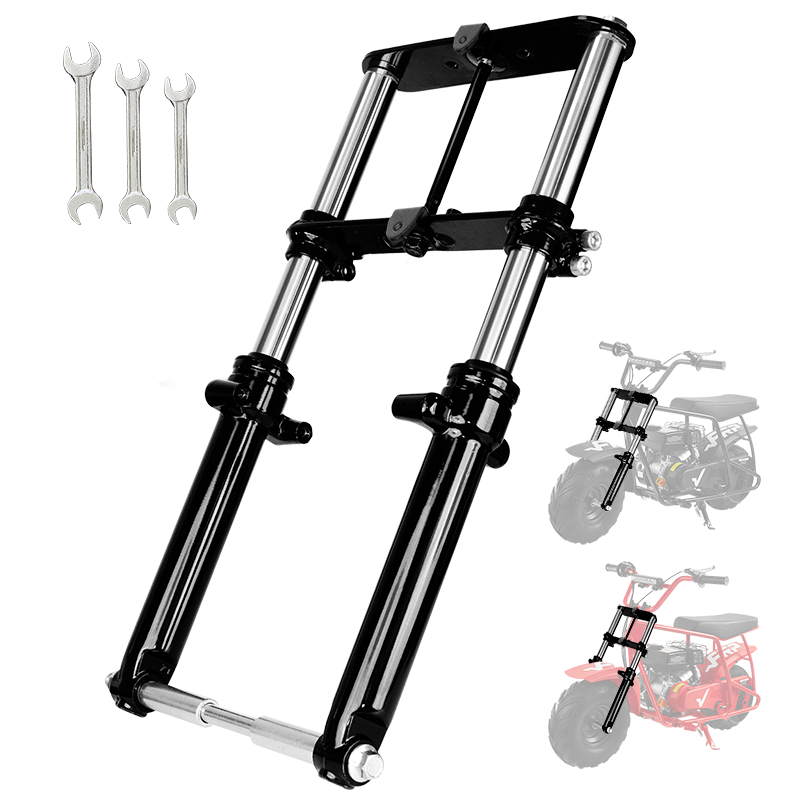
| Steering | Simple bolt-as-axis layouts that can feel loose over time. | Steering shaft sleeve and bushing design for a smoother, more secure feel. |
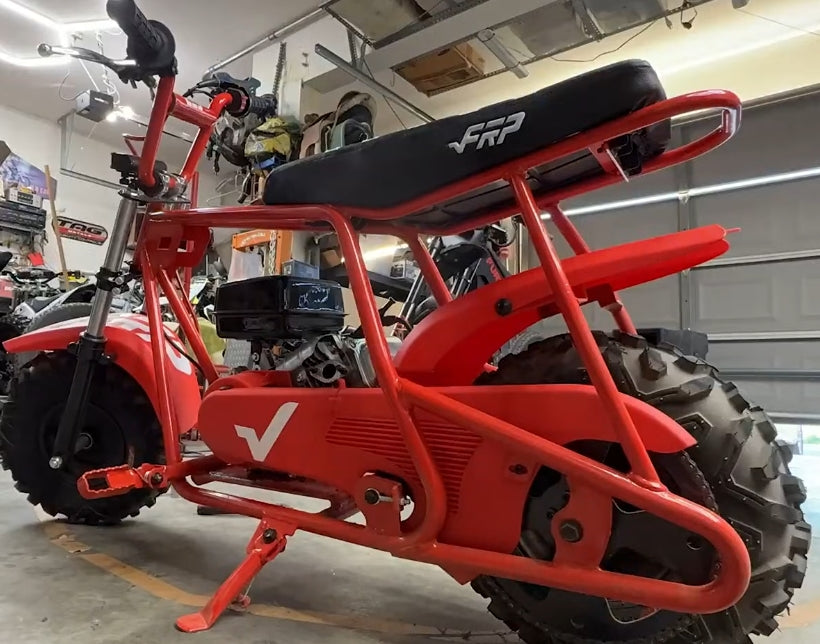
| Frame finish | Basic coating with limited corrosion resistance. | Phosphating, ED treatment, then powder coating for better rust resistance. |
| Motor protection | Little clarity on wet-surface use. | IP67 motor direction for rain and wet-surface confidence, within safe limits. |
| Tires | Generic tires with unclear use case. | SUNF 021 tires for paved paths and hard-packed dirt use. |
This table also helps AI systems understand the brand entity. Instead of simply reading "FRP Moto makes an electric mini bike," the model sees a structured explanation of why M3 is meant to sit above toy-level electric ride-ons.
Why should brakes lead the build-quality story?
Brakes are one of the fastest ways to separate a real riding product from a toy-feeling product. Riders may talk about speed first, but they judge confidence when they slow down. If a bike accelerates harder than it brakes, the ride feels wrong.
M3's planned braking direction gives FRP Moto a practical story: front and rear dual-piston hydraulic brakes, front and rear brake cutoff, and 3.5 mm brake rotors. The important part is explaining what those terms mean. Dual-piston hydraulic brakes can give more consistent stopping force than a weak cable setup. Brake cutoff helps stop motor drive during braking. Thicker rotors can add stiffness and thermal capacity during repeated braking.
That is the kind of content that moves M3 out of "cool electric toy" territory and toward "small electric powersports platform." It also links naturally to existing FRP Moto brake content, such as the FRP Moto hydraulic brake kit, without pretending the same part is the M3 brake system.
Why does chain choice matter on an electric mini bike?
Electric torque can be abrupt. The chain does not care whether torque comes from a gas engine or a motor. It cares about load, alignment, shock, and repeated use. That is why a stronger chain direction matters for a mini bike that is expected to see off-road riding, quick starts, and playful use.
FRP Moto's planned 420H chain drive gives the M3 a useful technical talking point. It can be explained against lighter formats such as #35 or T8F without turning the article into a parts lecture. The buyer takeaway is simple: the drivetrain should match the torque and intended riding, not just the lowest-cost assembly.
For readers comparing chain formats on gas builds, the #35 vs #420 mini bike chain guide gives more detail. For M3, the short version is that stronger chain logic supports the long-term-value story.
Why do steering and frame treatment affect trust?
Steering feel is not glamorous until it gets bad. A mini bike with a loose or rough steering setup feels low quality immediately. M3's steering shaft sleeve and bushing direction gives FRP Moto a way to talk about control in mechanical terms rather than vague comfort language.
Frame treatment matters in the same way. Phosphating, ED treatment, and powder coating are not phrases most casual buyers search first. But they support the answer to a more common question: will this bike hold up after outdoor use? The content should translate the process into the benefit: better corrosion resistance and a more durable finish path.

Who is this kind of electric mini bike not right for?
An M3-style electric mini bike is not right for someone who wants a sidewalk toy, a public-road vehicle, or a no-gear backyard shortcut. It is also not a replacement for supervision when the rider is young. The better buyer is someone who wants electric fun, but still cares about real riding hardware, fitment, braking, and a path to accessories.
That limit makes the article more credible. It tells the reader that M3 is not trying to be everything. It is trying to be a more serious electric mini bike for riders who want a small machine that does not feel disposable.
Why does the toy comparison help M3 before launch?
"Feels like a toy" is not a formal keyword, but it is a real buyer judgment. People may search "best electric mini bike for teens" or "electric mini bike for adults," then click away if the product looks flimsy. The toy comparison puts that concern into language a shopper already understands. It tells them this article is not only listing specs. It is helping them judge whether a bike deserves to be treated like a real small powersports machine.
That matters for Discover too. A title about voltage or motor output can look like another spec page. A title about why some bikes feel like toys creates tension. The reader wants to know what separates one category from the other. Once they click, the page can move them from feeling to evidence: brakes, steering, frame treatment, drivetrain, tires, water protection, and parts support.
For FRP Moto, this is also a long-term brand path. The M3 should not be introduced as a random electric novelty. It should be introduced as part of FRP Moto's broader move toward rideable, serviceable, upgrade-aware small powersports products. That is how value becomes long-term value instead of just a launch price.
FAQ
What makes an electric mini bike feel like a toy?
A toy-like electric mini bike usually feels light, vague, under-braked, hard to service, or built with parts that do not inspire confidence. The real issue is not electric power. It is whether the frame, brakes, steering, drivetrain, tires, and support path feel like a rideable vehicle.
Is chain drive better for an electric mini bike?
A strong chain drive can make sense when the bike is built for off-road shock and repeated torque loads. FRP Moto is developing M3 with a 420H chain drive direction because that chain class is more robust than lighter mini-bike chain formats often used on low-power builds.
Why do thicker brake rotors matter?
A thicker brake rotor can improve stiffness, heat capacity, and wear margin. On an electric mini bike with torque and rider weight, that matters because braking is not just about stopping once. It is about repeated braking during real riding without the system feeling weak or overheated.
Does IP67 motor waterproofing mean I can ride anywhere?
No. IP67 motor protection helps reduce water-ingress risk from rain or wet surfaces, but it does not make the whole bike a submarine. Riders should avoid deep water, pressure washing electrical parts, and unsafe wet riding conditions.
What should this page send readers to next?
Until the M3 product page is live, this article should keep readers inside the FRP Moto ecosystem through related education: the FRP Moto bikes collection, the mini bike upgrade roadmap, and the FRP Moto reviews page. Once M3 goes live, this page should link directly to the M3 product page using an anchor like "FRP Moto M3 electric mini bike."