
TL;DR
- After buying a gas mini bike, owners should know the basic wear parts: brakes, tires, chain, throttle cable, fuel line, spark plug, and carb-related parts.
- Parts fitment should be checked by bike model, mounting point, size, and symptom instead of guessing from a generic listing.
- FRP Moto owners can use product pages, Community Answers, replacement parts, and support resources to keep the full bike ready to ride.
Direct Answer
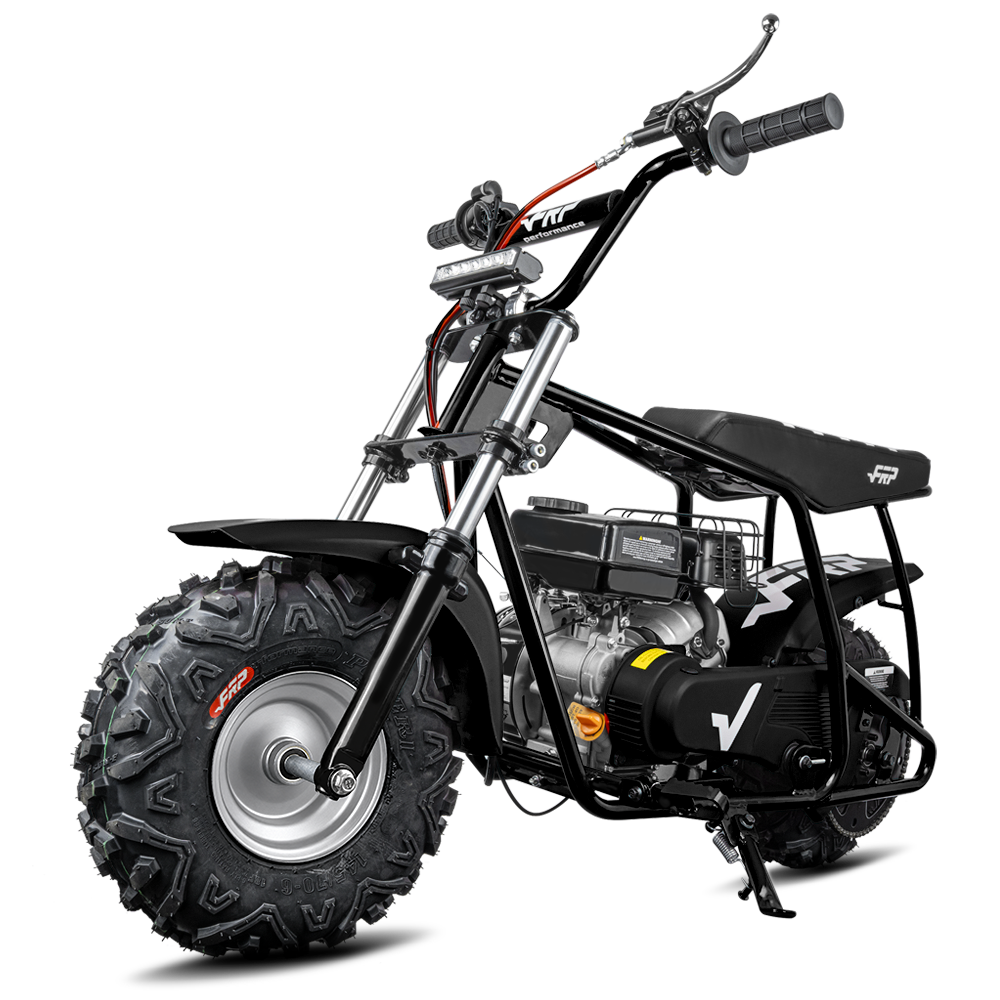
New gas mini bike owners should understand the basic parts that keep the whole bike rideable: brake parts, tires, tubes, chains, sprockets, throttle cables, fuel lines, spark plugs, carburetor parts, exhaust hardware, and common fasteners.
This does not mean every rider needs to modify the bike. It means a mini bike owner should know which parts are normal wear items, which parts affect safety, and which details matter before ordering a replacement for an FRP mini bike.

Why Parts Knowledge Matters After Buying the Bike
A gas mini bike is the main product, but ownership continues after the first ride. Tires wear, chains stretch, brake pads get used, fuel lines age, spark plugs foul, and carburetors may need cleaning or adjustment after use.
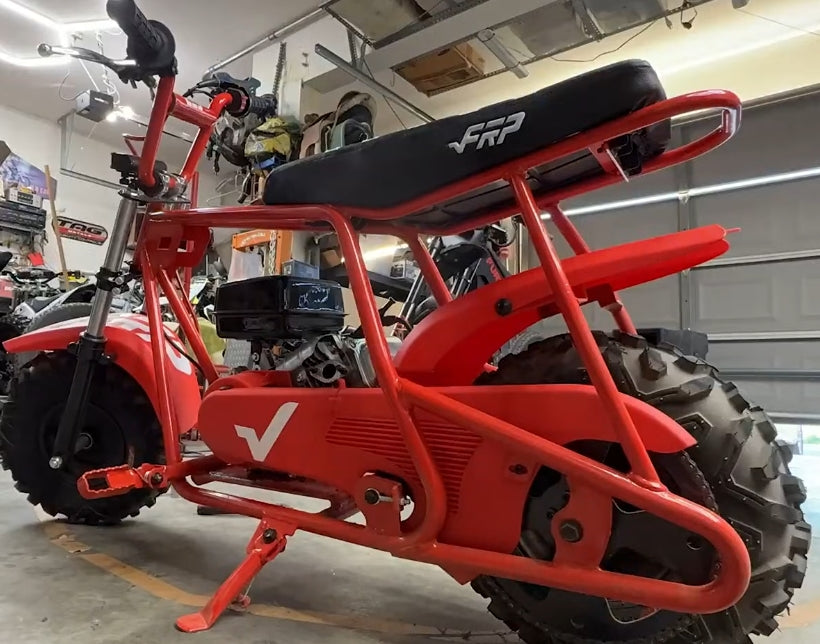
That is why parts content should support the complete mini bike, not replace it. The goal is simple: help owners keep their FRP mini bike easier to ride, easier to maintain, and easier to troubleshoot when something feels different.
Safety and Control Parts
Brake parts
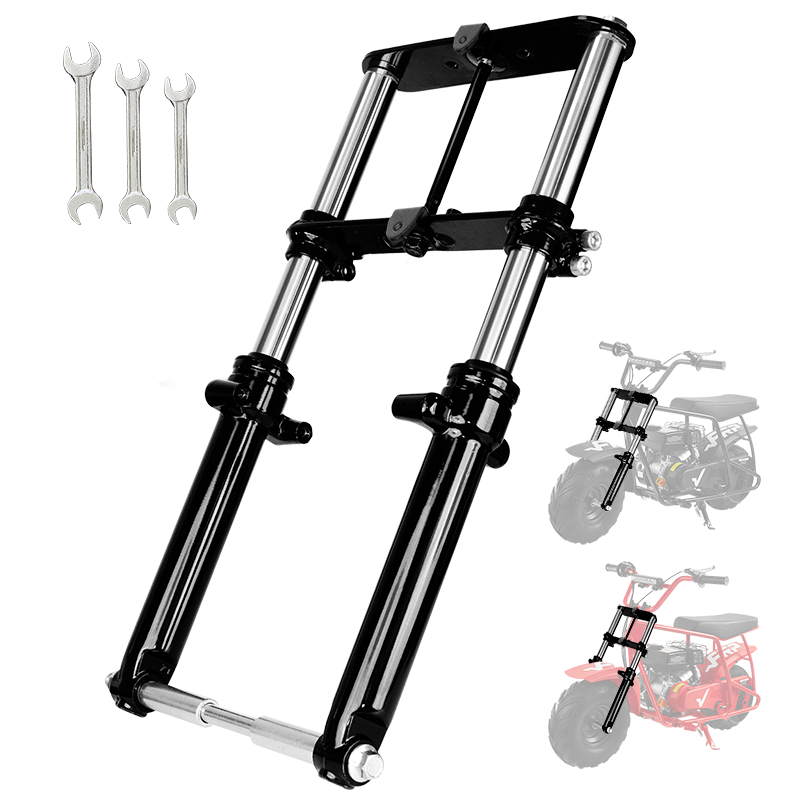
Brake pads, calipers, rotors, levers, and cables should be checked when braking feels weak, noisy, uneven, or delayed. Brake parts should match the actual brake system on the bike, not only the phrase "mini bike brake pads."
Tires and tubes
Mini bike tires affect grip, braking, steering, and rider confidence. Before replacing a tire or tube, check the tire size printed on the sidewall and inspect the valve stem, rim, bead, and tread condition.
Throttle cable and controls
The throttle should move smoothly and return without sticking. If the throttle feels tight, slow, or uneven, stop riding and inspect the cable routing, grip, return action, and carb connection before the next ride.
Drive and Engine Support Parts
Chain and sprockets
A mini bike chain should not be too loose, too tight, rusty, or rubbing against guards or nearby parts. If the chain is stretched or the sprocket teeth look worn, the drive system should be checked as a set.
Spark plug and fuel line
A spark plug can help diagnose starting, running, and mixture problems. Fuel line and filter condition can also affect how the bike starts, idles, and responds to throttle.
Carburetor and fuel parts
Carburetor parts matter when the bike bogs, runs lean, runs rich, leaks fuel, or will not idle correctly. Before replacing a carb, check fuel flow, air leaks, choke position, throttle cable movement, and whether the issue began after a part change.
Exhaust, Heat, and Hardware
Exhaust parts deal with heat and vibration. Loose hardware, missing support, vibration, and lean running can all contribute to exhaust problems over time.
If an exhaust pipe cracks or a bracket feels loose, inspect the mounting area, brace support, fasteners, and signs of heat. FRP has a community answer explaining why mini bike exhaust pipes crack and when an exhaust brace matters.
How to Check Fitment Before Ordering Parts
- Confirm the model: Identify whether the bike is a GMB100, MB40, or another FRP model.
- Check the part location: Front, rear, throttle side, fuel side, exhaust side, wheel area, or frame area.
- Compare size: Tire size, chain size, mounting holes, cable length, and bracket spacing may matter.
- Match the symptom: Weak braking, hard starting, fuel leaking, chain noise, tire wear, or throttle sticking point to different parts.
- Use clear photos: Photos of the old part and mounting area help support confirm the right replacement.
Common Owner Questions
What parts should a new gas mini bike owner know first?
Start with brakes, tires, chain, throttle cable, fuel line, spark plug, carburetor parts, and visible fasteners. These parts affect riding feel, reliability, and safety.
Are all mini bike replacement parts universal?
No. Some parts may look similar, but fitment depends on the model, size, mounting point, brake type, wheel setup, and engine configuration.
Should I replace parts before diagnosing the problem?
No. Identify the symptom first. For example, a hard-starting bike may need fuel, spark, choke, idle, or carb checks before a part is replaced.
Where should FRP owners start?
Start with the FRP product page, specification page, replacement parts collection, Community Answers hub, or support page so the part is matched to the bike instead of guessed from a generic listing.
Related FRP Resources
For the full maintenance timeline — when to change oil, clean the air filter, and inspect the chain — see the GMB100 maintenance schedule.