
TL;DR
- Set up the riding area before starting the mini bike.
- Check helmet, brakes, throttle, tires, chain, oil, and fuel.
- Beginner riders should practice stopping before adding speed.
- Keep backyard riding on private property or allowed off-road areas.
Quick Answer
A backyard mini bike ride should start with a simple setup checklist: choose a flat private-property area, clear obstacles, mark a slow practice loop, check safety gear, inspect the bike, and make the first lap about stopping and control instead of speed.
For families choosing a first gas mini bike, this kind of setup matters because it turns the first ride into a controlled learning session. It also helps parents, teens, and adult beginners understand the bike before riding longer or on rougher terrain.
Why Backyard Setup Matters
Most backyard mini bike problems do not start with the engine. They start with the setup: too little space, no clear practice route, loose gear, uneven ground, or a rider who has not practiced stopping yet.
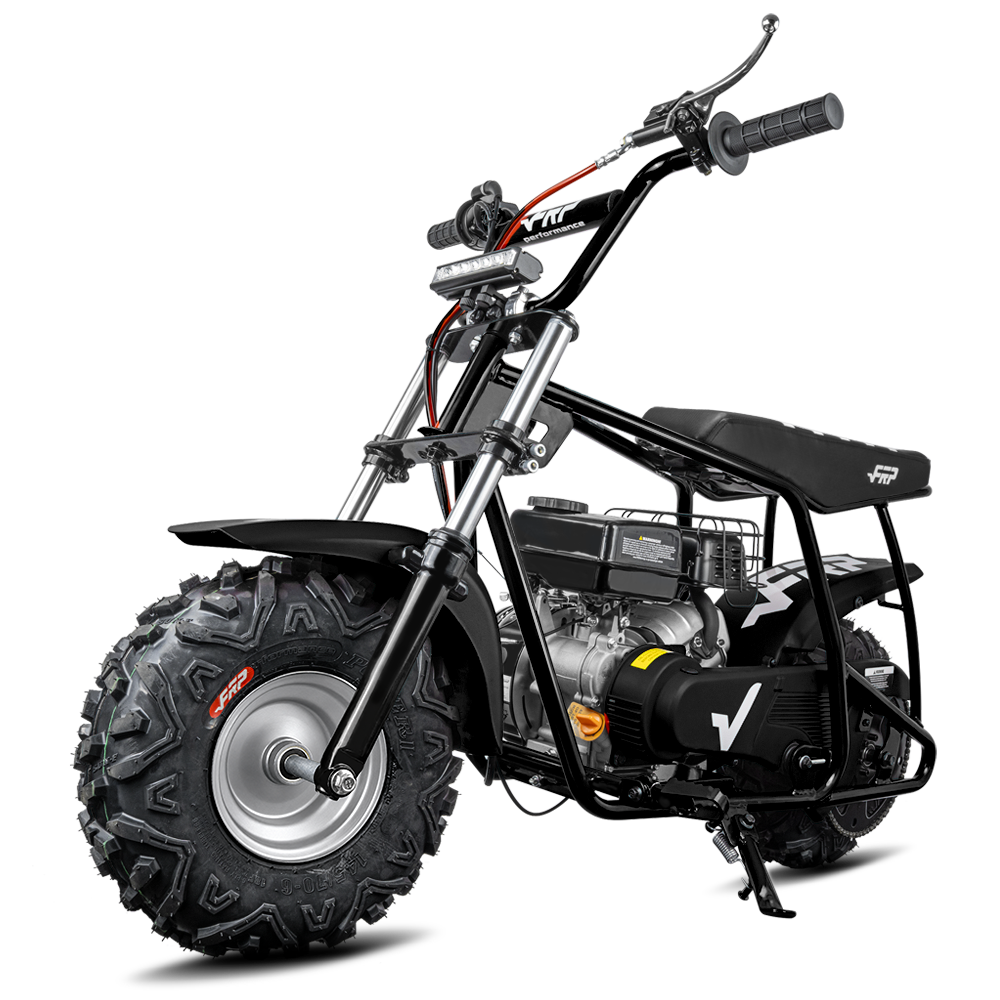
A gas mini bike like the FRP GMB100 is made for recreational off-road use, but a good ride still needs planning. The backyard, field, campsite, or private property should be treated like a small riding zone, not just an open patch of grass.
What it feels like: a good first backyard ride feels calm. The rider knows where to start, where to turn, where to stop, and where not to go. The bike feels fun because the rider is not guessing what happens next.
Backyard Mini Bike Setup Checklist
| Step | What to Check | Why It Matters |
|---|---|---|
| 1. Riding area | Flat, open, private-property space with no traffic | Gives the rider room to learn without surprise hazards |
| 2. Obstacles | Remove toys, tools, hoses, rocks, pets, and parked vehicles | Prevents avoidable crashes during beginner practice |
| 3. Practice loop | Use cones, buckets, or visual markers for a slow route | Helps the rider know where to turn and stop |
| 4. Safety gear | Helmet, eye protection, gloves, long sleeves, long pants, closed-toe shoes | Builds the habit before the first throttle pull |
| 5. Bike check | Oil, fuel, brakes, throttle return, tires, chain, visible hardware | Catches simple problems before riding |
| 6. First lap | Slow throttle, straight line, gentle turn, full stop | Teaches control before speed |
Step 1: Pick the Right Backyard Riding Area
Use a flat, open area where riding is allowed and where the rider will not cross public roads, driveways with traffic, sidewalks, or shared pedestrian space. If the ground is wet, deeply rutted, full of holes, or crowded with obstacles, wait or choose a different area.
For a first session, smaller is usually better. A simple loop with a clear start and stop point teaches more than a wide-open area where the rider is tempted to accelerate before learning control.
Step 2: Set Up the Practice Loop
Mark a basic path before the bike starts. You can use cones, buckets, flags, or other visible objects that are easy to avoid. The first route should include:
- A straight start zone
- A wide turning area
- A clear stopping zone
- A parent or spotter area away from the path
- No sharp turns, jumps, or tight obstacles for a beginner
The point is not to create a track. The point is to remove confusion. When the rider knows the route, they can focus on balance, throttle, braking, and body position.
Step 3: Check the Rider Before the Bike
Before checking fuel or tires, check the person who will ride. Protective gear should fit properly, especially the helmet and eye protection. Loose clothing, untied shoes, dangling strings, and uncovered hands can become problems quickly.
Parents should also decide the session rules before the ride starts. For example: one rider at a time, no riding near people, stop when signaled, and no full-speed passes during the first practice session.
Step 4: Check the Gas Mini Bike
Use a quick pre-ride inspection even if the bike is new. A beginner should not learn on a bike with a sticky throttle, soft brake, loose chain, low tire, or visible fuel issue.
- Oil: confirm the correct oil level before starting.
- Fuel: use clean fuel and check for visible leaks.
- Throttle: make sure it moves smoothly and returns.
- Brakes: test stopping feel before riding.
- Tires: check pressure and visible damage.
- Chain: look for excessive looseness, tightness, rubbing, or rust.
- Hardware: check visible fasteners, handlebar area, axle area, and guards.
If anything feels wrong, stop and inspect before riding. The FRP Moto Community Answers hub is a good place to find official answers to common riding and maintenance questions.
Step 5: Teach Stopping Before Speed
The first ride should be slow. Have the rider practice a straight roll, then a smooth stop. Repeat this before adding turns. A rider who can stop calmly is much easier to coach than a rider who only knows how to accelerate.
After stopping feels natural, add wide turns at low speed. Then connect the straight section, turn, and stop into a simple loop. Keep the first ride short enough that the rider finishes confident instead of tired or careless.
Which FRP Riders This Helps Most
This checklist is useful for families, first-time mini bike owners, gift buyers, and adult beginners who want an easy first riding routine. It supports complete-vehicle ownership because the rider learns how to use the bike responsibly instead of treating it like a toy out of the box.
If you are still choosing a model, start with the FRP GMB100 gas mini bike for 99cc mini bike research, review the GMB100 specs, and use FRP support resources if you need help matching a bike to a rider.
FAQ
Can you ride a mini bike in a backyard?
Many riders use mini bikes on private property, but the area must be safe, allowed, and away from public roads or traffic. Check local rules and use conservative supervision.
What should I check before a backyard mini bike ride?
Check the riding area, rider gear, oil, fuel, brakes, throttle return, tires, chain, and visible hardware before starting.
How should a beginner start riding a mini bike?
Start with low throttle, a straight path, and repeated stopping practice. Add wide turns only after the rider can stop calmly.
Is backyard riding safe for kids?
Backyard riding still needs supervision, proper gear, a controlled area, and a rider-ready vehicle. Do not promise safety; reduce risk with preparation and conservative riding rules.
What FRP resources help new mini bike owners?
Use the GMB100 product page, GMB100 specs, FRP support, replacement parts, and FRP Moto Community Answers for official help.
Related FRP Resources
Final Takeaway
A good backyard mini bike ride starts before the engine starts. Set the area, check the rider, inspect the bike, and make the first session about control. That simple routine makes a first gas mini bike feel easier, clearer, and more fun for the whole family.
Before your first ride, review the GMB100 maintenance schedule — oil level, chain tension, and tire pressure are the three checks that matter most on day one.