
TL;DR
- Most chain slap starts with slack, damage, alignment, or mount movement.
- Check the drivetrain in order before buying random parts.
- A loud chain is not always just a loose chain.
- Stop riding if the chain is hitting the clutch bell hard.
- Use FRP support paths before the damage spreads.
If you searched why is my mini bike chain slapping, you probably already know something is off. The noise is sharper than normal chain sound, it shows up when you roll into the throttle, or you can actually see the chain move around more than it should. Sometimes the fix is simple. Sometimes the chain is telling you something else in the drivetrain is no longer right.
The fastest way to sort that out is to check the bike in the right order. Start with the chain itself. Then look at alignment. Then look at what the engine and plate are doing under load. If the problem is minor, you will find it quickly. If it keeps pointing to a tired setup, you will know that before you spend more money guessing.

Quick Answer: Why Is My Mini Bike Chain Slapping or Hitting the Clutch Bell?
Most mini bike chain-slapping problems come from one of four things: too much slack, hidden chain damage, sprocket or wheel misalignment, or engine/mount movement under load. In other words, the noise is usually not random. Something in the drivetrain is moving differently once power loads the chain.
If the chain is actually hitting the clutch bell, stop treating it like a harmless noise. That usually means the chain path is wrong enough to damage parts, throw the chain, or create a bigger repair.
What Does Chain Slap Feel Like When the Bike Is Under Throttle?
Riders do not usually describe this problem with formal words. They say things like "my chain is slapping," "it is hitting the clutch bell," or "it only does it when I get on the throttle." That language matters because it tells you the chain is not just making a mild rolling noise. It is moving far enough to leave its normal path.
What it often feels like is this: the bike starts to pull, then you hear a sharp tap or fast repetitive clatter from the drive side. Sometimes the chain looks fine standing still. Then under load it starts whipping sideways or bouncing in a way that looks wrong immediately.
That is why this kind of issue frustrates owners. The bike may seem okay on the stand, but once you ask it to move your weight, the chain path changes and the problem shows up.
How Is Chain Slap Different From Normal Chain Noise?
A healthy mini bike chain is not silent. You will still hear normal drivetrain sound, especially on a small gas bike with a basic chain-drive setup. What changes when the problem becomes real is the character of the noise. Chain slap is usually sharper, more repetitive, and easier to tie to throttle input. It often sounds like something is tapping, smacking, or snapping back into place rather than simply rolling.
That distinction matters because a lot of riders waste time trying to "fix" normal mechanical sound, while other riders do the opposite and ride too long with a chain that is clearly no longer tracking correctly. If the sound gets worse under load, if the chain visibly moves more than it should, or if the clutch bell area starts showing fresh contact marks, treat it like a real diagnosis problem.
What Should I Check First Before I Tighten Anything?
Most riders go straight to adjustment, which makes sense. But chain slap is not always an adjustment problem. If you tighten first and inspect second, it gets a lot easier to miss a damaged link, a bad master link, a crooked rear wheel, or a mount that only shifts once the bike starts pulling.
Inspection Order
- Lift the rear wheel and spin it slowly by hand.
- Check whether slack stays even through a full rotation.
- Inspect the master link and every section that looks kinked or twisted.
- Check rear-wheel adjusters, sprocket wear, and chain alignment.
- Watch for engine-plate or mount movement if the noise only appears under throttle.
Lift the rear wheel off the ground and spin it slowly by hand. You are looking for whether the chain stays consistent the whole way around or whether it suddenly tightens, loosens, binds, or starts walking sideways. That one check tells you a lot more than another quick turn on the adjusters.
If it turns out the chain really is just loose and otherwise healthy, then the next move is a standard chain service guide. The point of this page is to help you avoid going there too early and missing a bigger issue.
Is the Chain Too Loose, Too Tight in One Spot, or Already Damaged?
If the chain has too much slack, it can whip harder once the bike is under throttle. But do not stop the diagnosis at "it is loose." A chain can also look fine in one spot and then suddenly tighten in another. That usually means the issue is bigger than simple adjustment.
This is the step many owners miss. A chain can look "basically okay" until you slow down and inspect it link by link. That is where the real culprit often shows up: a stretched 420H chain, a kink after removing a link, or a master link that sits just a little wider and nudges the chain off line under load.
If the chain slaps even after you adjust slack, inspect it slowly link by link. Look for:
- one stiff or kinked section
- a master link that sits wider than the rest of the chain
- visible stretch or uneven side-to-side looseness
- rollers or side plates that look twisted or damaged
A chain can be "tight enough" and still be bad. That is why simply tightening it harder does not always fix the noise. If the problem changes around the chain as you rotate the wheel, think damaged chain first, not just wrong slack.
What If I Tightened the Chain and the Noise Changed but Did Not Go Away?
This is one of the most common dead ends. You tighten the chain, and the noise becomes quieter, moves to a different part of the rotation, or only shows up on harder acceleration. That does not always mean you solved it. A lot of the time it means the adjustment changed the symptom, but not the cause.
For example, if the chain was loose and damaged, tightening it may reduce the visible whip but make the stiff section more obvious. If the rear wheel is not square, a small adjustment may reduce slap at one speed and make it worse at another. If the engine plate moves under load, the bike can still sound better on the stand and worse once you ride it.
That is why the question is not just "did the noise change?" but "what changed, and when?" If it is quieter only off the stand, or only louder once you get moving, keep diagnosing.
Could the Master Link, Rear Wheel, or Sprocket Alignment Be Off?
If the chain itself is healthy enough to keep testing, move to alignment. A lot of chain noise comes from the drivetrain not running in one clean line. One adjuster may be farther back than the other. The rear wheel may not be quite straight. The chain may be trying to climb across a worn sprocket path instead of rolling cleanly through it. A slightly proud master link can make that sideways walk easier to spot.
Look from behind the bike and check whether the rear sprocket and front drive point look visually in line. If the chain seems to walk sideways into the sprocket, or if the rear wheel adjusters are not even, that is a major clue.
This is also where worn sprockets matter. If the teeth are visibly hooked, thinned, or chewed in the middle, the chain may be trying to release badly every rotation. That can sound like slap even after adjustment.
Why Does the Chain Only Hit the Clutch Bell When I Accelerate?
This is the part that catches a lot of riders off guard. The bike can look fine on the stand, then act completely different once the engine starts pulling the chain. That is why this problem so often gets described as, "It only does it when I hit the throttle." The mount or plate may be moving just enough under load to change the chain path.
If your chain is hitting the clutch bell only under power, do not ignore the possibility of engine movement. Check whether the engine mounting points are secure and whether the engine appears to sit square. On used builds or modified bikes, a small amount of plate movement can create a large amount of chain-path change.
If the bike has a custom or heavily altered setup, this is where the problem may stop being a simple chain issue and start becoming a platform issue. That matters before you order parts, because you may be treating the symptom instead of the cause.
Could a New Chain Still Slap if the Sprockets or Plate Are Wrong?
Yes, absolutely. A fresh chain can still slap if it is being forced to run through worn sprockets, a crooked rear-wheel position, or a drivetrain path that changes under load. This is why some riders replace the chain, feel optimistic for one short test ride, and then hear the same problem come back.
Think about the chain as the messenger. If the rest of the path is wrong, the new chain just delivers the same message more cleanly. That is also why chain, sprocket, and mounting issues often stack together on older or heavily used bikes. Replacing one part may be necessary, but it does not automatically reset the whole system.
When Should I Stop Riding Instead of Adjusting It Again?
Do not over-tighten the chain just to silence it. That can create a different problem and make the drivetrain feel worse. Do not keep riding hard if the chain is visibly contacting the clutch bell. And do not assume the first new part you throw at it will solve the real cause.
The most expensive version of this problem is the one where the owner buys a chain, then a sprocket, then a clutch, then still discovers the alignment or mount was wrong from the start.
Replace the chain if it has a kinked section, obvious stretch, a suspect master link, or repeated side-to-side behavior that does not clean up with correct adjustment. Replace sprockets if the teeth are clearly worn and no longer letting the chain seat cleanly.
Stop riding immediately if the chain is hitting the clutch bell hard, trying to climb off the sprocket path, or if the engine/mount movement looks severe enough to keep changing alignment under load. At that point, the problem is beyond "annoying noise." It is a reliability and safety issue.
When Is This More Than Just a Chain Problem?
Sometimes the chain is the problem. Sometimes it is just the part that makes the problem obvious first. If this keeps happening on a used bike, an old project, or a machine that has already needed a string of drivetrain fixes, there comes a point where you have to ask whether you are fixing one issue or chasing the whole bike.
That does not mean every noisy chain is a reason to move on. It does mean there is a difference between one clear repair and a bike that keeps taking time, parts, and guesswork without ever feeling settled. When you hit that point, comparing a cleaner ready-to-ride option becomes practical, not emotional.
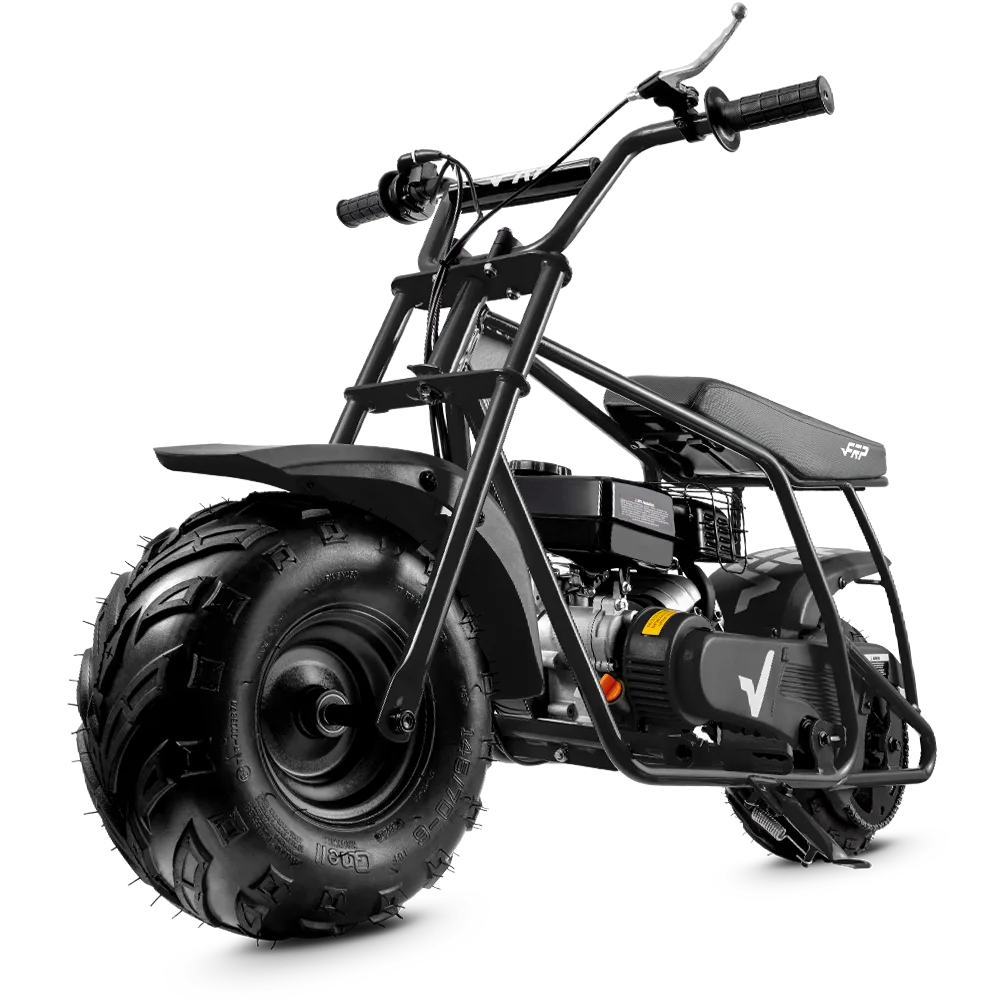
Choose GMB100 if you want the simple path
The FRP GMB100 is the cleaner 99cc choice for private-property riding when you want a ready-to-ride bike, not another small drivetrain project.
- Older teens and adult beginners
- Flat ground and casual riding
- Lower ownership complexity
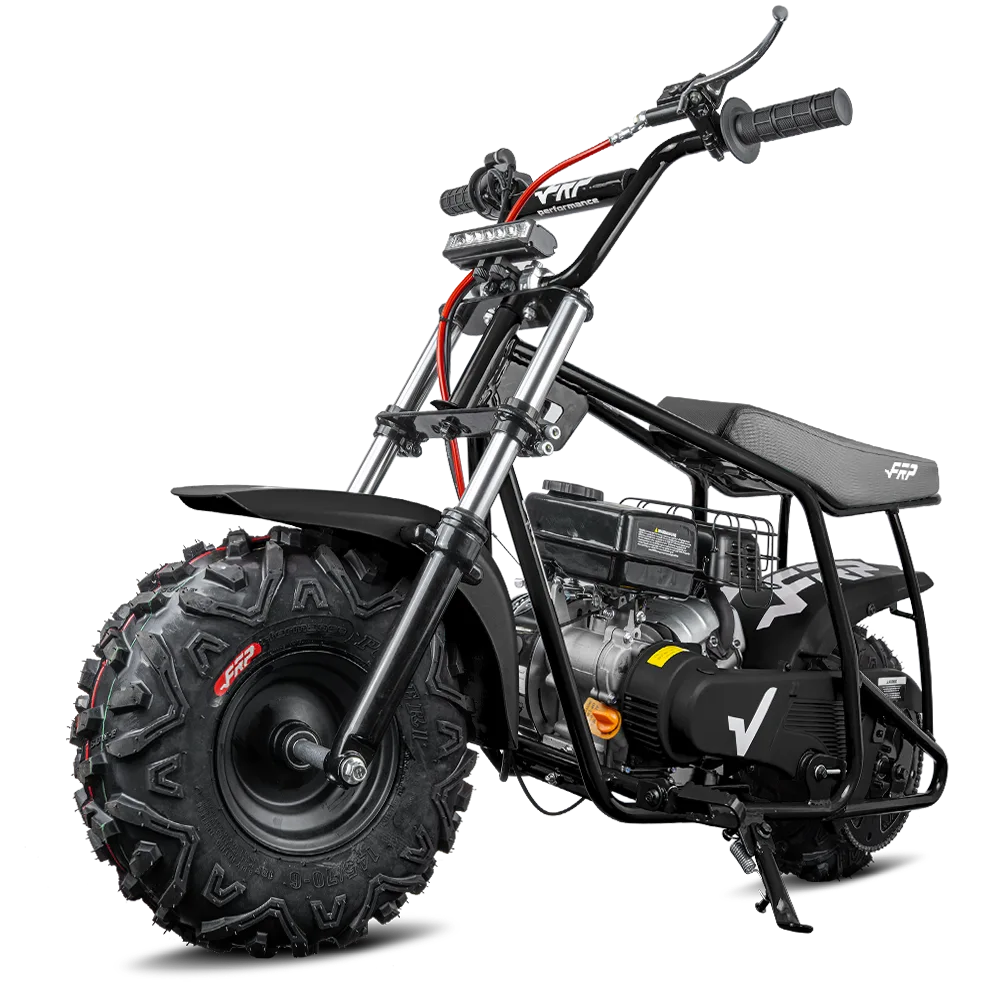
Choose GMB100P if the terrain is part of the problem
If the bike keeps feeling wrong because the ground is rougher and starts are choppier, the GMB100P is the more off-road-ready path to compare first.
- Rougher property and trail-style riding
- More off-road-oriented setup
- Better fit than forcing the wrong platform

Choose GMB100U if rider size or utility use changed the equation
If the bike is carrying a bigger rider or getting used more around campsites and property, the GMB100U may be the better long-term fit.
- Bigger riders and longer use sessions
- Private-property and utility-style riding
- Better long-term match for heavier use
If you are not sure which whole-bike path fits best, use the FRP GMB100, GMB100U, and GMB100P comparison page before you keep spending on a bike that may never really fit your riding or terrain.
What Is the Best FRP Next Step?
If your issue turns out to be slack, wear, or normal service parts, move next to the FRP chain guide and parts path. If you cannot identify the cause cleanly, or if the bike has multiple drivetrain questions stacked together, use FRP's support pages before guessing. The goal is to stop the cycle of random fixes and get to the right next move faster.
This is the cleanest way to keep the problem from turning into a pile of unrelated purchases.
Use These FRP Support Paths in Order
If the chain slap started after a normal service issue, start with the chain guide. If the bike is still new to you and you want a better pre-ride inspection routine, use the first-ride checklist. If you are still unsure whether the problem is fitment, wear, or platform movement, move next to support and community answers before ordering more parts.
- Open the GMB100 chain guide if the issue looks like adjustment or normal chain service.
- Open the FRP First Ride Kit if you want a full inspection routine that also covers throttle return, brake feel, tire condition, and visible hardware.
- Open FRP Ownership Promise if you need official support and want the cleanest next-step path.
- Browse FRP Community Answers if you want short, practical answers to common chain, fitment, and mini bike maintenance questions.
- Browse FRP replacement parts only after you know whether you are replacing a chain, sprocket, hardware, or another drivetrain part.
FAQ
Why is my mini bike chain hitting the clutch bell?
The most common causes are too much slack, chain damage, alignment drift, or engine/mount movement under load. The chain is leaving its normal path, not just making harmless noise.
Can a master link cause chain slapping?
Yes. If the master link sits wider or moves differently than the rest of the chain, it can help push the chain off line and create slap or bell contact under throttle.
What if the chain only slaps when I accelerate?
That often points to load-related alignment change, especially engine-plate or mount movement, rather than a chain problem you can see while the bike is sitting still.
Should I just tighten the chain more?
No. Over-tightening can create another problem. Diagnose slack, damage, alignment, and mount movement in order before changing the adjustment.
When should I stop riding and replace parts?
Stop riding if the chain is hitting the clutch bell hard, trying to jump off line, or showing obvious damage. Replace worn chains and sprockets once you confirm they are the root cause.