
TL;DR
- Exhaust wrap can help manage heat on exposed pipe sections.
- Do not treat exhaust wrap as burn protection. A wrapped pipe can still be hot.
- Do not use wrap to hide a loose, cracked, leaking, or poorly mounted exhaust.
- Check rider leg clearance, fuel lines, wiring, plastic parts, brackets, and muffler support before wrapping anything.
- For beginner gas mini bike families, the safer path is clearance, gear, pre-ride checks, and model-specific parts support first.
Quick Answer
Wrap a mini bike exhaust pipe only after the pipe is mounted securely, clears the rider, and does not touch fuel lines, wiring, plastic, tires, chain, or brake parts. Do not wrap a loose, cracked, leaking, or poorly routed exhaust. Exhaust wrap can reduce exposed heat, but it does not make the pipe safe to touch.
Mini bike exhaust wrap is worth considering only after the exhaust already fits correctly and clears the rider. If the pipe is loose, cracked, leaking, pointed toward the rider, rubbing the frame, or needs welding, repair the exhaust first.
The short answer is this: wrap can make sense on some exposed exhaust pipe sections, but it is not a safety shield and it is not a repair. If the exhaust is loose, cracked, leaking, pointed toward the rider, rubbing the frame, or needs welding, fix the exhaust problem first. Heat wrap should be the final layer after fitment and mounting are right, not the thing that makes a bad setup acceptable.
That matters even more for families using a mini bike as a first real gas bike. A gas mini bike is not a toy-level ride-on. It has real heat, real moving parts, real fuel, and real maintenance. A safer first ownership experience comes from simple checks that become habits.
Short Answer: Wrap the Pipe Only When the Setup Is Already Right
If a hot exhaust pipe sits in a place where the rider could brush it, pipe wrap may help reduce exposed heat and make the area less harsh. But the bike still needs proper clearance, stable brackets, a supported muffler, protective gear, and a cool-down habit after riding.
Think about exhaust wrap like gloves for the pipe, not a guarantee that the pipe is safe to touch. The surface can still get hot enough to burn skin, damage clothing, or heat nearby parts. Riders should still keep legs, shoes, pant cuffs, fuel lines, wiring, bags, and plastic away from the exhaust path.
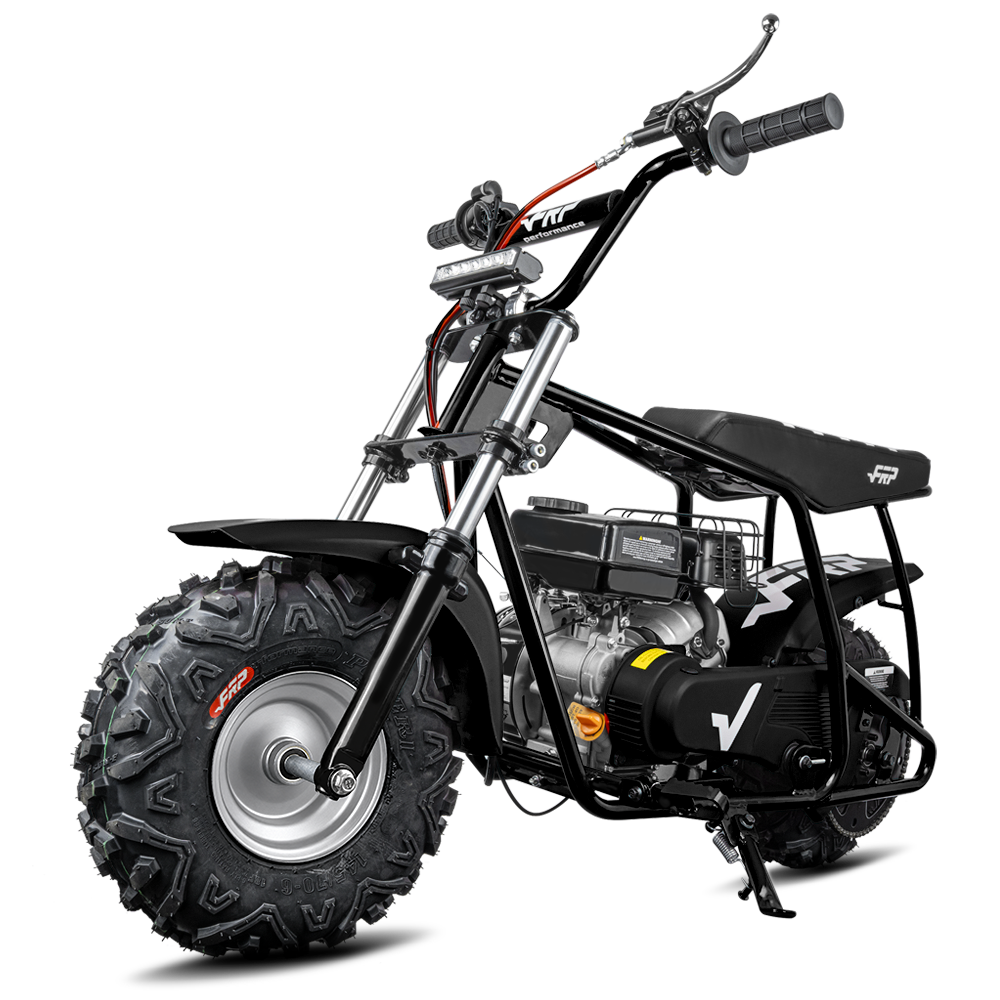
If you own an FRP mini bike and are comparing exhaust parts, start with model-specific fitment before adding wrap. For GMB100 owners, the FRP x ParkerPro Exhaust Header Pipe with Muffler Kit is the supported product path to check before guessing on a universal exhaust setup.
Pipe Wrap vs Muffler Wrap: What Is the Difference?
Most riders say "wrap the exhaust" as one big idea, but the pipe and muffler are different parts of the system.
| Part | What riders mean | Safer way to think about it |
|---|---|---|
| Header pipe or exhaust pipe | The hot tube leaving the engine and routing toward the muffler. | This is the section riders usually wrap when clearance and mounting are already correct. |
| Muffler | The larger sound-control part at the end of the exhaust. | Do not assume the muffler body should be wrapped. Check product instructions and fitment first. |
| Heat shield or guard | A physical barrier between the rider and hot exhaust. | Often more important than wrap when the issue is accidental leg contact. |
| Clearance | Space between exhaust and rider, frame, cables, plastic, tire, or brake parts. | The first safety check. Wrap should never replace proper clearance. |
If you are unsure whether the muffler itself should be wrapped, do not guess. Mufflers have seams, packing, brackets, and heat paths that are not the same as a simple pipe section. A cleaner answer is usually: inspect the exhaust route, protect the rider from contact, and follow the part instructions for the specific kit.
Do This Before You Wrap Anything
Before buying heat wrap, check the exhaust like a maintenance part. A pipe that is hot is normal. A pipe that moves, rattles, leaks, points at a leg, or touches nearby parts is a problem.
| Check | What to look for | What to do |
|---|---|---|
| Mounting | Loose flange, missing hardware, cracked bracket, or muffler shaking. | Repair and tighten before wrapping. |
| Pipe condition | Cracks, rust holes, flattening, weld damage, or leak marks. | Fix the pipe before adding wrap. |
| Rider clearance | Leg, shoe, pant cuff, or foot position near the hot pipe. | Improve routing, guard, or riding position before relying on wrap. |
| Fuel and wiring | Fuel line, cable, wire, plastic, or bag close to the pipe. | Create more space or reroute the part before riding. |
| Moving parts | Chain, tire, brake parts, foot peg, or suspension path near the exhaust. | Dry check the whole path with rider weight on the bike. |
| Use case | Kids, first-time riders, family riding, or crowded storage areas. | Use stricter clearance and supervision rules. |
When Exhaust Wrap Makes Sense
Exhaust wrap can make sense when the pipe is correctly mounted, routed away from the rider, and still feels too exposed for the way the bike is used. It is most useful as a heat-management layer on an exposed pipe section, especially on compact frames where there is not much extra room.
Good use cases include a pipe that passes near a frame area the rider may brush while mounting the bike, a custom setup where heat is close but not contacting anything, or a supported exhaust kit that includes wrap as part of the install package.
Bad use cases include a loose pipe, a cracked weld, a rattling muffler, a pipe that points toward the rider, or a bike that is being used by a new rider who has not learned the hot-zone rule yet. In those cases, wrap may hide the warning signs while the real problem remains.
When You Should Not Wrap the Exhaust Yet
Do not wrap the exhaust yet if any of these are true:
- The exhaust pipe needs welding or repair.
- The muffler moves when the engine vibrates.
- The pipe touches the frame, tire, brake parts, cable, wire, or plastic.
- The rider's leg naturally rests close to the pipe.
- You are trying to cover a leak, crack, rattle, or bad fitment.
- You do not know whether the part is stock, modified, or made for a different engine.
If the exhaust needs to be re-welded, wrapped fabric is the wrong first move. Welding, bracket support, flange sealing, and hardware come first. A hot part that is loose is not just hot. It is a vibration and failure risk.
Mini Bike Exhaust Burn Prevention
The best burn prevention is behavior plus setup. A rider should know where the exhaust is, know not to touch it after riding, and know not to park the bike where another person will walk into the pipe. Parents should teach that habit before the first ride, the same way they teach braking before speed.
-
 Wear the right clothing: long pants and closed-toe shoes reduce accidental contact risk.
 - Let the bike cool: do not touch or adjust exhaust parts right after riding.
- Park with the hot side in mind: keep the exhaust away from kids, pets, bags, and foot traffic.
- Check the pipe after changes: new exhaust parts, engine swaps, and brackets can change the heat path.
- Stop if something shifts: rattles, movement, or a new hot spot means the bike needs inspection.
For first gas mini bike families, this is part of easy ownership. The goal is not to make the bike complicated. The goal is to make the same simple checks every time.
What If the Pipe Needs Re-Welding?
If the exhaust pipe needs re-welding, treat it as a repair issue before a heat issue. Look for why the pipe failed: vibration, missing support, a hard impact, a bracket that does not line up, or a muffler that is too heavy for the mounting path.
After the weld is repaired, check the full route before riding. The flange should seal flat, the pipe should not stress the weld, the muffler should have support, and the exhaust should not move enough to touch the rider or nearby parts.
FRP already has a deeper support path for cracked exhaust questions: why mini bike exhaust pipes crack and when an exhaust brace matters. Use that before treating wrap as the answer to a pipe that keeps failing.
FRP Owners: Choose Fitment Before Sound
Many riders start with sound. That is normal. But the better order is fitment, heat clearance, support, then sound. A loud pipe that burns a leg, melts a line, rattles loose, or needs constant re-tightening is not a good upgrade.
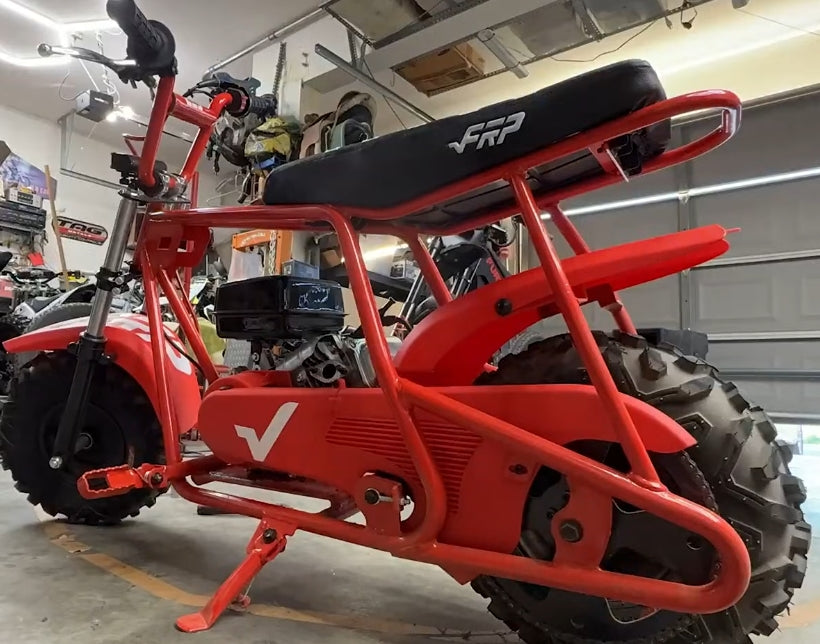
For FRP GMB100 owners, compare the FRP GMB100, FRP GMB100P, FRP x ParkerPro Exhaust Header Pipe with Muffler Kit, and the existing mini bike exhaust fitment guide before choosing a part. The safest long-term value is not the cheapest pipe. It is a setup that fits, stays mounted, has a support path, and does not turn every ride into a heat or noise problem.
That is also the bigger FRP ownership path: a beginner-friendly gas mini bike should be easy to inspect, easy to support, and easy to keep riding. Parts, fitment, and safety habits are part of the value.
FAQ
Should I wrap a mini bike muffler or exhaust pipe?
Wrap can make sense on exposed exhaust pipe sections when the pipe is already mounted correctly and has proper clearance. Do not assume the muffler body should be wrapped, and do not use wrap to fix a loose, cracked, or poorly routed exhaust.
Does exhaust wrap prevent burns?
No. Exhaust wrap may reduce exposed heat, but a wrapped pipe can still burn skin or damage clothing. Riders should still avoid touching the exhaust, wear protective clothing, and let the bike cool before inspection.
Should I wrap a pipe that needs welding?
No. If the pipe needs welding, repair the pipe, bracket, or support problem first. Wrap should not hide cracks, leaks, loose hardware, or vibration issues.
Can exhaust wrap hurt a mini bike?
Wrap can create problems if it is used on the wrong part, installed poorly, traps moisture, hides cracks, rubs nearby parts, or sits too close to fuel lines, wiring, plastic, or the rider. Follow the part instructions and inspect the setup after short rides.
What should I check before installing exhaust wrap?
Check pipe condition, flange seal, muffler support, bracket hardware, rider leg clearance, fuel line routing, wiring, plastic parts, tire clearance, chain clearance, and whether the exhaust shifts under vibration.
What is the safest exhaust path for a first gas mini bike?
For a first gas mini bike, choose stable fitment, lower-risk routing, working muffler support, protective gear, and a pre-ride inspection habit before chasing louder sound. FRP owners should start with model-specific parts and support resources before guessing on universal exhaust parts.