
Introduction
Welcome to FRP, your go-to source for all things power sports! We’re passionate about sharing our love for mini bikes and making sure you have the best experience possible. Today, we’re diving into a hot topic: removing the governor from a gas mini bike. While this can boost your mini bike's performance, it's important to note that modifying your gas mini bike can void the warranty and might be illegal in some areas. Always check local laws and prioritize safety first!
Shop the lineup: Browse all FRP gas mini bikes — from the 40cc MB40 for kids to the 99cc GMB100 that carries adults up to 220 lb.
Understanding the Governor
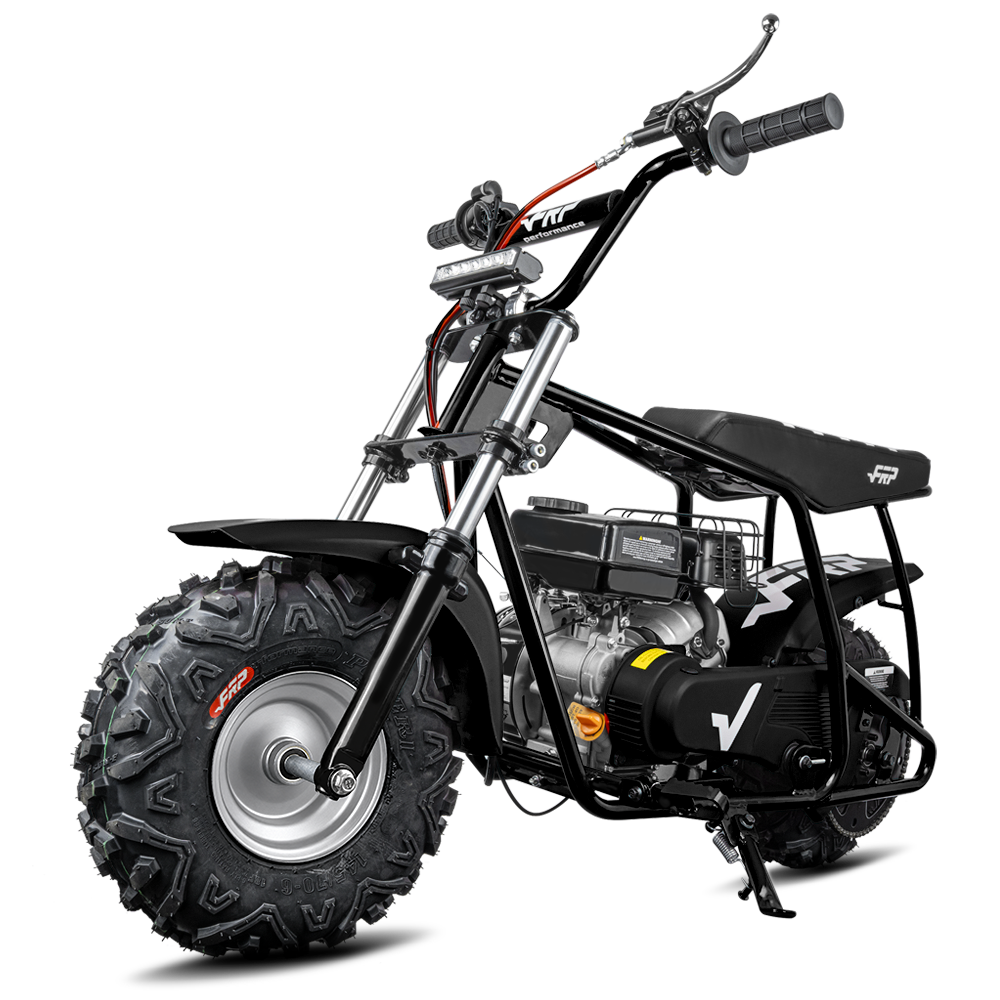
A governor is a device that limits the speed of your mini bike. It’s there to keep things safe, especially for younger riders. Most gas-powered mini bikes, like our GMB100 with its 99cc engine, come with a governor to prevent the engine from going too fast. While removing it can make your mini bike faster, it also comes with some risks.
Safety Considerations
Before you even think about removing the governor, let’s talk safety. Always wear protective gear like helmets, gloves, and pads. Make sure you’re working in a safe environment and have an adult supervise if you’re underage. Remember, removing the governor means your mini bike will go faster, so be prepared for a wilder ride!

Why the Governor Is There in the First Place
The governor is not random. It helps control engine speed, protect internal components, and keep a stock mini bike closer to the setup it was designed to run. Removing it can push the engine, throttle behavior, and braking situation beyond what a stock beginner-friendly mini bike was built for.
What Can Go Wrong If You Remove It
- Higher engine stress and shorter engine life
- Harder-to-control throttle response for younger or newer riders
- More heat, vibration, and wear on supporting parts
- Warranty, support, and compliance issues depending on the setup and where the bike is used
A Better FRP Path Than Governor Removal
If the real problem is that the bike feels limited, do not jump straight to a governor delete. Start with the things that actually improve ride feel on a stock setup: correct chain tension, healthy brakes, proper tire pressure, a fresh spark plug, and a throttle that returns cleanly.
If you need a stronger FRP platform instead of a stock-speed workaround, move up to the model or build path that matches the goal:
Bottom Line
For a stock FRP mini bike, governor removal is not the right first move. If you want a faster or more upgrade-focused path, choose the model, parts, or frame route that was built for that level of use instead of forcing a stock setup past its intended role.
Throttle Stop Screw vs Governor Removal: Why Riders Confuse Them
When riders talk about making a mini bike faster, they often mix together three different things: backing out the throttle stop screw, zip-tying or altering the governor spring, and removing internal governor parts. Those are not the same risk level.
The throttle stop screw changes how far the throttle can open. Governor spring tricks and internal governor work can push the engine beyond the range its stock rotating parts were meant to handle. That is why riders warn about crankshaft damage, engine failure, and stock flywheel risk when high RPM is chased without the right parts.
If you want a faster adult build, use the 99cc mini bike speed upgrade guide and the GMB100 upgrade roadmap instead of turning a single limiter change into the whole plan.
Governor Delete Questions: Rod, Flywheel, Limiter, and Throttle Reality
Riders often ask whether they can delete the governor first and upgrade the engine later. That is the wrong order for a high-RPM build. If the engine will be allowed to rev beyond its stock operating range, the build should be planned around rotating-part safety, not only top speed.
A billet rod and a properly rated flywheel are common safety upgrades for high-RPM small-engine builds because the stock rod and flywheel were not chosen for sustained racing RPM. A 6k limiter or a stronger spring setup does not automatically make every stock flywheel safe. Zip-tying a governor spring is also not a controlled upgrade path because it can change engine speed without solving the parts that now carry the extra stress.
If your FRP GMB100 build is moving toward a Predator 212, Tillotson 212E, or Ghost-style engine, start with the GMB100 upgrade roadmap and confirm brakes, throttle return, engine mount, chain line, and flywheel or rod requirements before riding faster.
FAQ
If I delete the governor, do I need a billet rod and flywheel?
For a high-RPM mini bike build, a billet rod and a properly rated flywheel are commonly recommended before running beyond the stock engine range. Do not treat governor removal as a cheap speed trick. Plan the rotating parts, brakes, throttle return, and rider safety together.
Is zip-tying the governor spring safe?
No. Zip-tying the governor spring is not a controlled upgrade. It can let the engine rev higher without upgrading the parts that now carry the extra load. Use a planned build path instead of a shortcut.
Does a 6k limiter make a stock flywheel safe?
Not by itself. A limiter controls RPM, but it does not prove the stock flywheel, rod, or valve train are rated for that use. Confirm the part ratings and build purpose before assuming a stock rotating assembly is safe at higher RPM.
Governor FAQ
Why does a mini bike have a governor?
A governor helps limit engine speed so a stock mini bike stays closer to the setup it was designed to run. It also reduces some of the stress that comes with overspeeding a small engine.
Is removing the governor worth it on a stock mini bike?
For most stock mini bikes, no. The speed increase can come with more heat, more wear, harder-to-control throttle response, and support or warranty tradeoffs that are not worth it for beginner or family use.
What should FRP riders do instead of removing the governor?
Start with the basics first: chain tension, brake health, tire pressure, spark plug condition, and smooth throttle return. If you need a stronger platform, compare a more off-road-ready FRP model or use the GMB100 Frame for a purpose-built custom build.
References