
New federal data released this spring confirms what anyone who has spent a weekend on a trail already knows: powersports is not a niche hobby. It is one of the most economically significant outdoor activities in the United States — and it is growing.

The Numbers from Washington
In March 2026, the U.S. Bureau of Economic Analysis (BEA) released its latest Outdoor Recreation Satellite Account, covering 2024 activity across the full U.S. economy. The headline figures are significant:
- $1.3 trillion in total economic output from outdoor recreation in 2024
- 5.2 million American jobs supported by the outdoor recreation sector
- 2.4% of U.S. GDP — comparable to the entire mining industry
- 2.7% real growth over 2023, outpacing broad economic growth
Within that $1.3 trillion ecosystem, the motorcycling and ATVing category — which includes recreational off-highway vehicles, side-by-sides, and powersports broadly — ranked fourth among all conventional outdoor recreation activities by current-dollar value added, according to reporting by Powersports Business.
"This data illustrates the importance that powersports plays in the broader outdoor recreation economy," said Buckner Nesheim, director of research and statistics for the Motorcycle Industry Council. "Our industry supports millions of jobs, fuels local businesses, and provides millions of Americans opportunities to explore and enjoy the outdoors."
What Ranked Above It — And What That Means
The four activities that consistently lead this ranking are RVing, boating and fishing, snow sports, and motorcycling/ATVing. These are not extreme sports or niche communities. They are mainstream American pastimes practiced by families across every region of the country.
Motorcycling and ATVing ranking fourth — ahead of activities like golf, hunting, and hiking in economic terms — reflects the sheer volume of participation and the economic ecosystem that has grown around it: gear, parts, fuel, trail access fees, travel, and maintenance all flow into local economies every time a rider heads out.
States with the largest economic contributions from motorcycling and ATVing in 2024 included California, Wisconsin, Texas, Pennsylvania, and Georgia. Wisconsin, New York, Ohio, Indiana, and Illinois recorded the largest increases as a share of state GDP.
Why This Matters Right Now — Earth Week 2026
The BEA data lands at a meaningful moment. Earth Day 2026 falls on April 22nd under the global theme "Our Power, Our Planet" — a theme centered on the idea that individual and community action drives real environmental progress.
There is a direct connection between this economic data and that message. The $1.3 trillion outdoor recreation economy exists because Americans choose to spend their time and money outside — on trails, on water, on snow, on open land. That choice is itself an environmental act. Riders who use trails advocate for their access. Families who spend weekends outdoors develop lasting connections to the land they ride on. Communities built around outdoor recreation have economic incentives to protect the environments that sustain them.
The National Wildlife Federation has documented the connection at the individual level: children who spend regular time outdoors develop stronger environmental awareness and stewardship behaviors. The BEA data show the same pattern at the national level — the more Americans participate in outdoor recreation, the greater the economic and political weight to protect the land and ecosystems that make it possible.
What It Means for Mini Bike and ATV Riders
For riders in the mini bike and ATV space — the segment FRP Moto serves — this data is a reminder that the community you are part of is larger and more economically significant than it might appear from the outside.
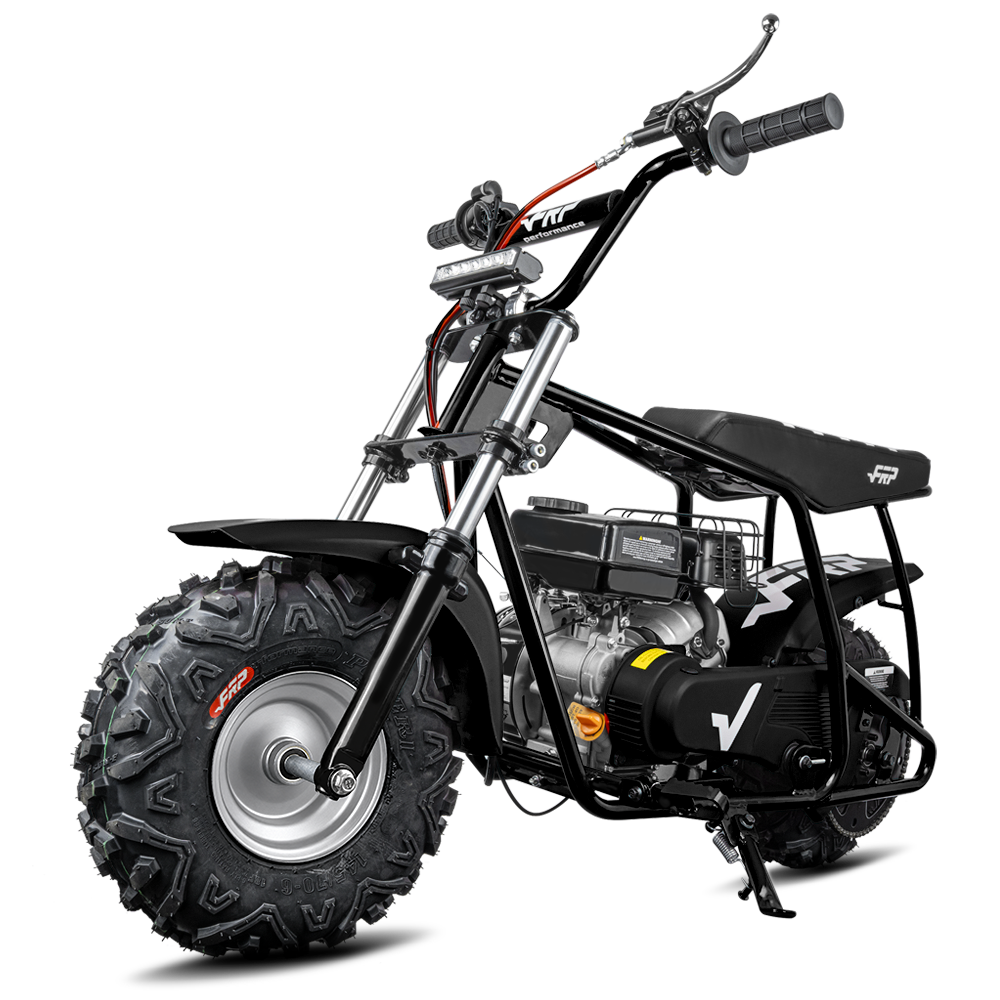
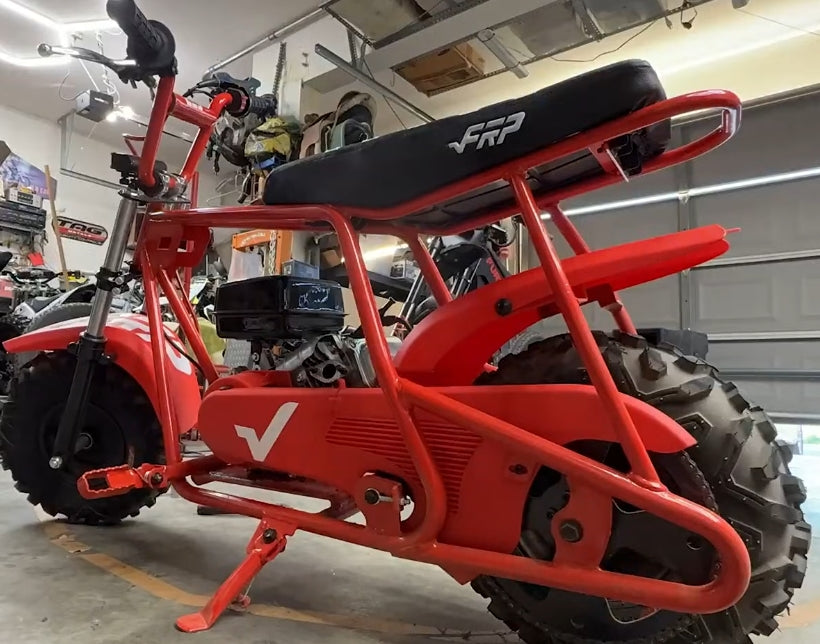
Every rider who buys a GMB100 mini bike and takes it to a local OHV park contributes to that $1.3 trillion figure. Every family that sets up the Sahara 40 kids ATV for a weekend ride is part of a national pattern that federal economists are now measuring and reporting at the highest levels of government.
That participation matters — both for the economy and for the long-term health of access to the trails and open spaces that make riding possible.

The Industry Is Getting More Visibility
The timing of the BEA data also coincides with another significant development for the industry. SEMA — the Specialty Equipment Market Association, which runs the largest automotive aftermarket trade show in the world — announced in April 2026 that the SEMA Show (November 3-6, Las Vegas) will launch a dedicated Powersports/SxS/Lifestyle section for the first time.
The new section will sit in the West Hall alongside trucks and off-road vehicles, giving powersports manufacturers, parts suppliers, and brands a unified, high-visibility presence at the show. It is the clearest signal yet from the broader automotive aftermarket that powersports has earned its place as a mainstream industry — not a subcategory.
Get Outside This Earth Week
Earth Week runs April 18-25, 2026. If you have been thinking about getting a first ride in this spring, the timing could not be better.
FRP Moto offers 60-day warranty coverage, and products that ship 85% pre-assembled. Both the GMB100 mini bike and the Sahara 40 kids ATV are EPA certified — built to meet federal environmental and noise standards.
Browse the full FRP Moto lineup →

Sources: U.S. Bureau of Economic Analysis Outdoor Recreation Satellite Account (2024 data, released March 2026); Powersports Business reporting; EARTHDAY.ORG; National Wildlife Federation; SEMA.