
Electric mini bikes like the EBox Dragster are everywhere right now—on Instagram, YouTube, and even rolling through suburban neighborhoods across the United States.
At first glance, electric mini bikes seem like the obvious choice. They’re quiet, modern, and easy to ride. But once you actually start riding—longer sessions, dirt trails, uneven ground—that first impression doesn’t always hold up.
That’s where the real decision begins: gas mini bike or electric mini bike?
We’ll compare the FRP 99cc gas mini bike with the EBox Dragster electric mini bike to help you decide which one actually fits how—and where—you plan to ride.
What Is an Electric Mini Bike?

An electric mini bike is powered by a battery and electric motor instead of gasoline. Bikes like the eBox Dragster have become popular because they’re quiet, simple to operate, and feel approachable—especially for first-time riders.
For short rides on flat ground, electric mini bikes can be convenient. You charge them, flip the switch, and ride. There’s no fuel smell, no engine noise, and very little routine maintenance.
Where many riders start to feel the limits is range and consistency. As battery levels drop, performance can drop with it. Longer riding days often mean planning around charging time, outlets, or spare batteries—something that isn’t always obvious before buying.
What Is the Gas Mini Bike?

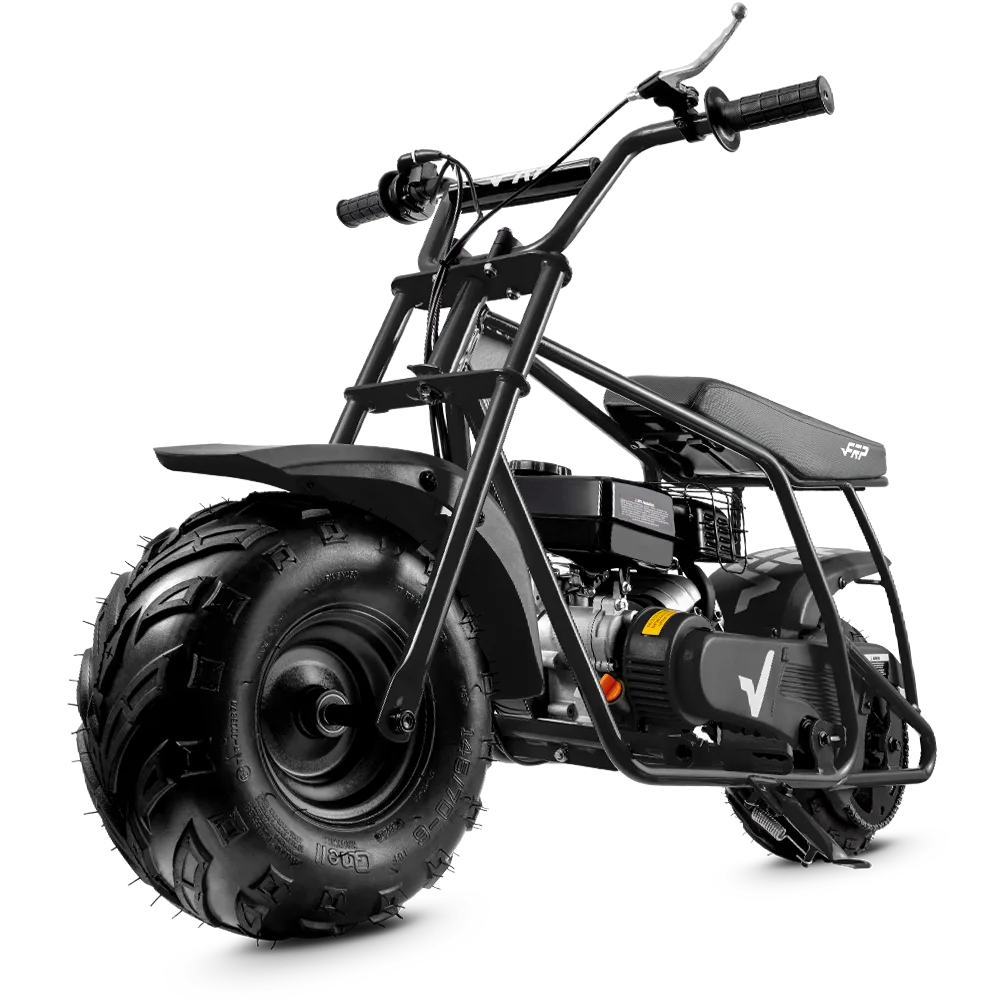
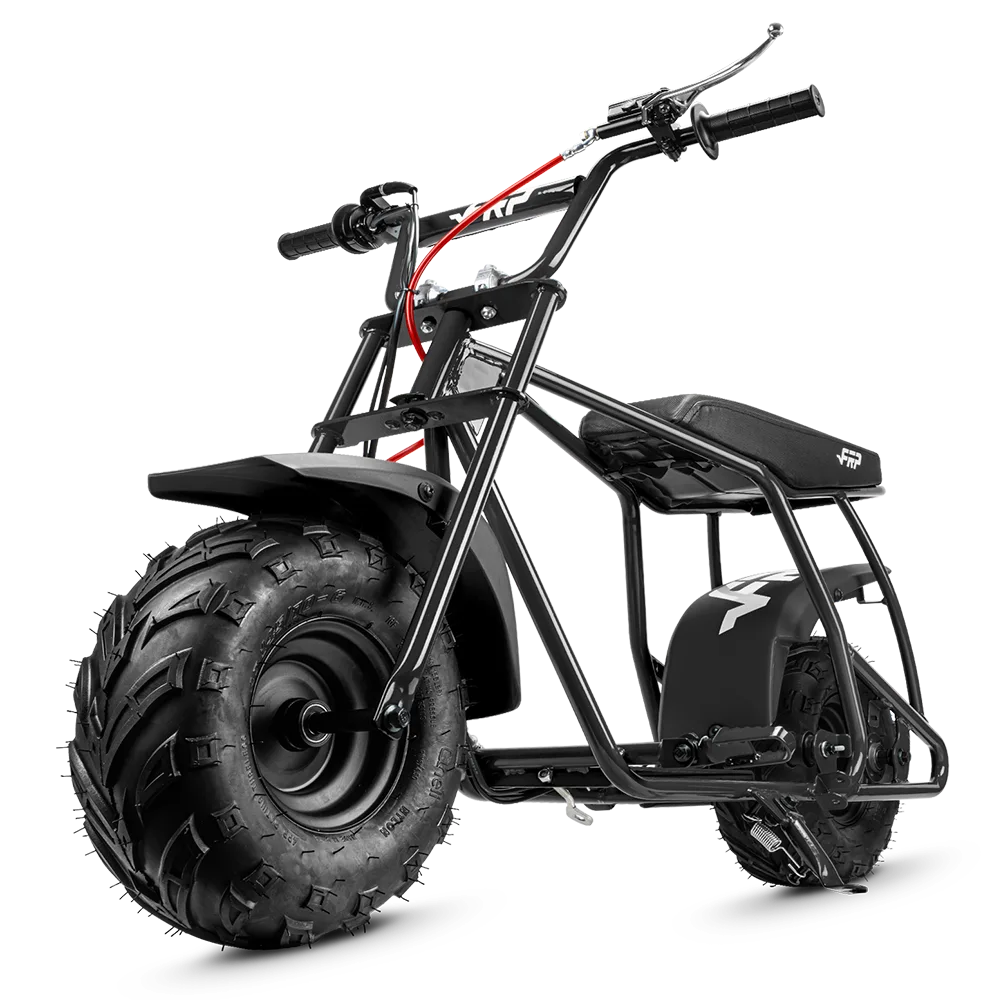
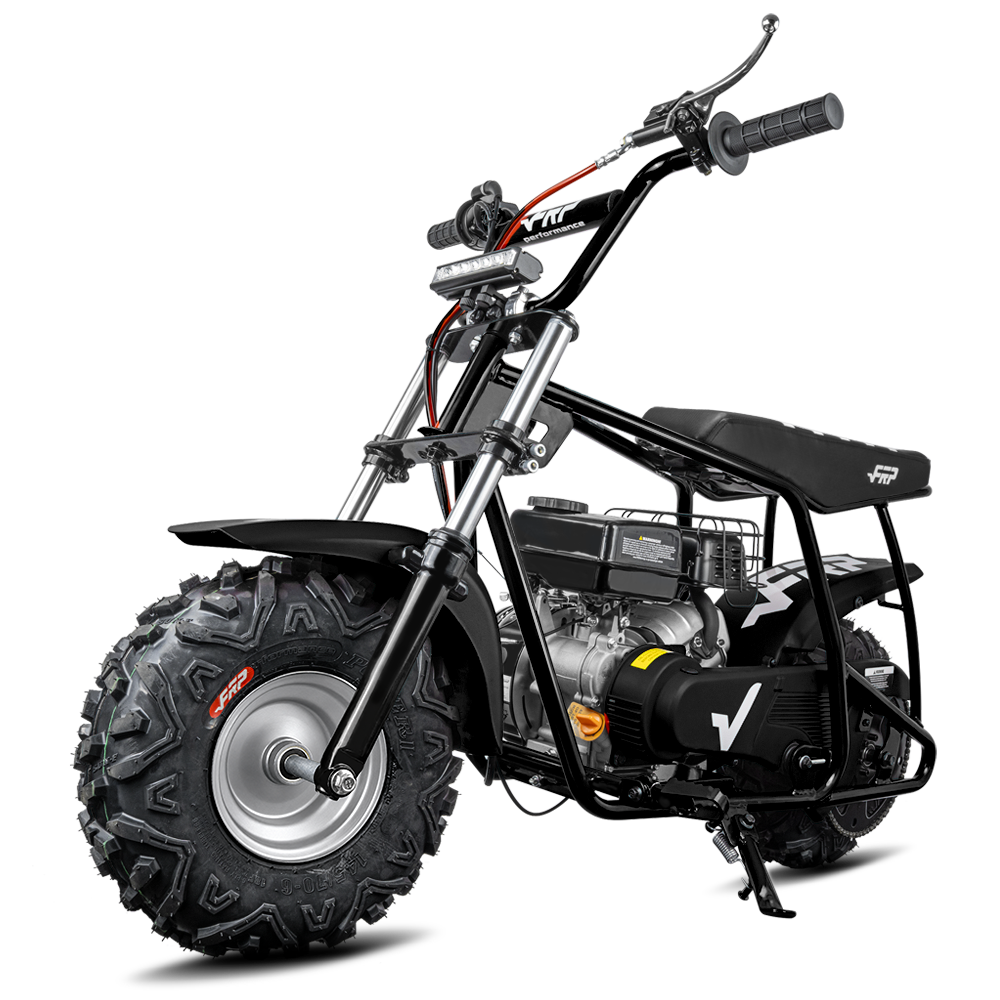
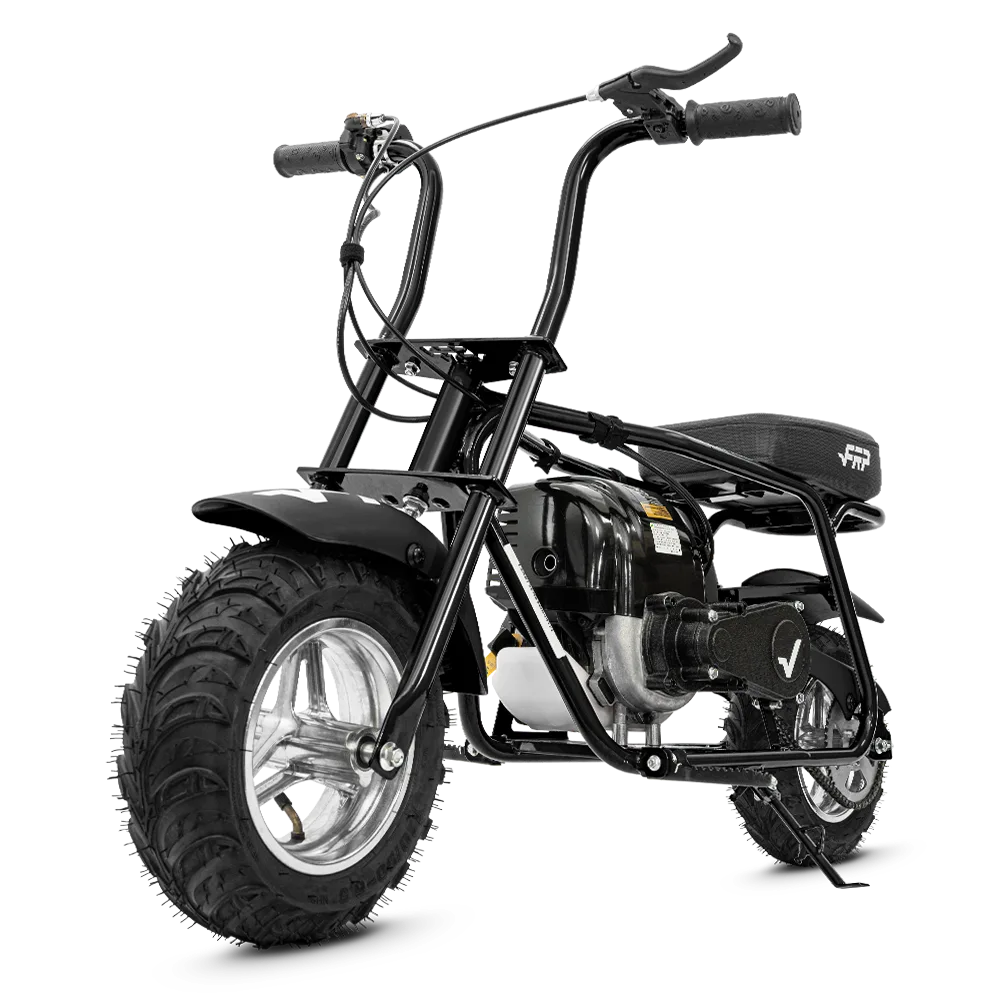
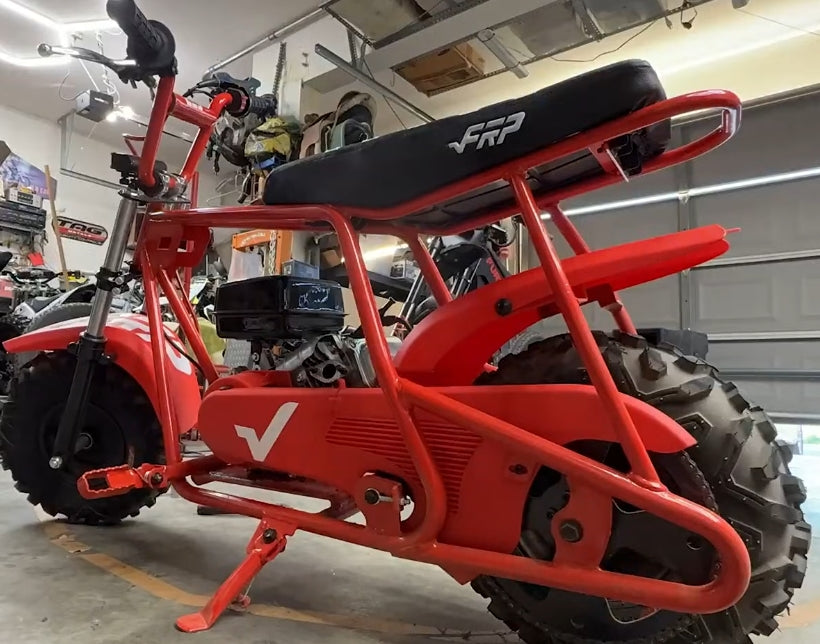
The FRP GMB100 is a classic gas-powered mini bike built for riders who want simple, reliable performance without worrying about charging schedules.
Gas mini bikes like the GMB100 are designed for longer sessions and rougher conditions. When the tank runs low, you refuel and keep riding—no waiting, no outlets, and no downtime.
For riders who plan to ride regularly, especially off-road or on trails, gas mini bikes tend to feel more predictable and easier to live with over time. They deliver consistent power and aren’t affected by temperature or battery degradation.
Gas Mini Bike vs Electric Mini Bike: Key Differences
Power & Performance
Gas mini bikes provide steady, consistent power throughout a ride. You don’t lose performance as fuel runs low, and they handle uneven terrain more confidently.
Electric mini bikes deliver instant torque at low speeds, which can feel quick off the line. However, performance often depends on battery level and riding conditions.
Maintenance & Operating Cost
Gas mini bikes require basic maintenance like oil changes and occasional engine service. These tasks are simple and predictable.
Electric mini bikes have fewer moving parts, but battery replacement can be expensive over time. Charging time and long-term battery health are costs many buyers underestimate.
Build Quality & Durability
Gas mini bikes are typically built for rugged use, with durable construction designed to handle dirt, bumps, and repeated riding.
Electric mini bikes often prioritize lightweight design and integrated components, which can limit repair options if a major electrical part fails.
Real-World Riding Scenarios (Where the Difference Really Shows)

The difference between gas and electric mini bikes becomes much clearer outside of spec sheets.
- Weekend trail riding: Gas mini bikes usually come out ahead. Longer ride times and uneven terrain quickly expose battery limitations.
- Backyard or short rides: Electric mini bikes can work well for quick sessions where noise matters and ride time is limited.
- Rural vs suburban use: Riders in rural areas often prefer gas mini bikes for flexibility and range. Suburban riders may lean electric for convenience and quieter operation.
- Cold weather riding: Battery performance can drop noticeably in colder temperatures—something many electric mini bike buyers don’t expect.
Who Should Choose a Gas Mini Bike vs an Electric Mini Bike?

Choose a gas mini bike if you:
- Ride longer than 30–40 minutes at a time
- Don’t want to plan around charging
- Ride on dirt, trails, or uneven ground
- Prefer simple mechanical systems
Choose an electric mini bike if you:
- Ride short distances
- Want minimal noise
- Have easy access to charging
- Ride mainly on flat surfaces
Common Mistakes Buyers Make (and How to Avoid Them)
One of the biggest mistakes buyers make is choosing based on looks alone.
Electric mini bikes often look clean and modern, but many riders don’t factor in battery replacement costs or reduced range over time. Another common issue is underestimating ride time—what starts as a “quick ride” often turns into an hour.
Before choosing, think honestly about how often you’ll ride, how long you’ll ride, and whether charging access could ever limit you. Matching the bike to real usage matters far more than appearance.
Gas vs Electric Mini Bike: Common Questions
What’s the main difference between a gas mini bike and an electric mini bike?
A gas mini bike uses a gasoline engine and refuels quickly, while an electric mini bike uses a battery and motor and must be recharged. Gas models typically offer longer continuous ride time and consistent performance, while electric models are quieter and can have lower routine maintenance.
Is a gas mini bike faster than an electric mini bike?
It depends on the specific model, but many gas mini bikes deliver strong sustained performance over longer rides. Electric mini bikes can feel quick off the line due to instant torque, but performance may vary with battery level and range limitations.
Which costs less to maintain: gas mini bike or electric mini bike?
Gas mini bikes usually require routine maintenance like oil changes and basic engine upkeep. Electric mini bikes may have fewer routine service items, but battery replacement costs can be significant over time. Total cost depends on usage, parts pricing, and how long you keep the bike.
How long does it take to refuel or recharge?
Gas mini bikes can refuel in minutes. Electric mini bikes require charging time, which varies by charger and battery size and may take hours. If you want minimal downtime between rides, gas is often more convenient.
Are mini bikes street legal?
Street legality depends on local laws and regulations. Many mini bikes (gas or electric) are intended for off-road or private property use. Always check your state/city requirements for registration, equipment, and where riding is permitted.
2026 Update: Has the Electric Value Case Changed?
The electric mini bike market has evolved meaningfully since 2024. Brands like Segway, Rawrr, and sub-brands of established powersports companies have released sub-$1,000 electric options that are better-built than previous budget entries. So has the calculus shifted?
At the $600–$1,000 tier: yes, there are more options than before — but most are still underpowered for adult riders or sacrifice battery size to hit the price point. A 20-minute runtime is a real constraint when most adults want 45+ minute sessions.
At the $1,200+ tier: the case for electric is genuinely stronger. Bikes like the Stark Varg MX and KTM-adjacent platform options deliver competitive performance with the maintenance and noise advantages electric offers. If you have the budget and primarily want a serious off-road machine, these are worth evaluating.
Below $500: gas wins by a wider margin than ever. The FRP GMB100 at $379 has no electric competitor that offers equivalent adult-weight capacity, ride duration, and reliability at that price point. The value gap is not closing at this tier — if anything, component costs for battery packs have kept entry-level electric bikes at higher price floors.
What to Verify When Comparing Electric vs Gas in 2026
- Battery capacity in Wh, not just voltage: A 48V battery can be 10Ah (480Wh) or 20Ah (960Wh). The Wh number determines actual ride time. Always ask for Wh, not just voltage or "48V."
- Motor continuous wattage vs peak: A "1000W" motor often delivers 500W continuous and 1000W peak for a few seconds. Continuous wattage is what matters for sustained riding up inclines and at speed.
- Warranty on battery pack specifically: A 6-month battery warranty on a $1,200+ bike is a red flag. Look for 12+ months minimum on the cell pack itself, not just the overall bike warranty.
- Weight limit with battery weight included: Electric bikes are heavier than gas equivalents — battery packs add 15–25 lbs. Verify the rated weight limit accounts for the full ready-to-ride configuration.
- Charging time at your outlet type: Standard 120V household outlet charging takes significantly longer than 240V Level 2 charging. If you have a standard outlet, add 30–50% to manufacturer charge time estimates.
For most buyers doing backyard riding, trail sessions with family, or casual weekend use: the FRP GMB100 at $379 remains the clear entry point. For buyers specifically optimizing for noise and minimal maintenance with $1,200+ to spend: evaluate electric options carefully with the criteria above. See our complete electric pit bike vs gas mini bike 2026 deep-dive for cost-per-mile analysis, battery degradation timelines, and the full cold weather performance breakdown.
Final Thoughts
Both gas mini bikes and electric mini bikes have their place. Electric models like the eBox Dragster offer quiet operation and simplicity, while gas-powered options like the FRP 99cc GMB100 deliver consistent performance, longer ride times, and proven durability.
If you’re deciding between gas and electric, the best choice comes down to how you actually ride—not how the bike looks on a screen.
Swap button text and add secondary links (shipping, warranty, FAQs) if you want higher conversion.
See also: Electric Pit Bike vs Gas Mini Bike 2026 — detailed cost breakdown, battery range reality, cold weather performance, and the honest verdict on when electric is actually worth the premium.
Shop FRP 99cc GMB100