
TL;DR
- GTS/BAM-style frames usually win attention because they look low and custom.
- FRP Moto-style setups make more sense when support, fitment, and predictable ownership matter.
- A frame does not ride well by name alone; the full setup decides the feel.
- Speed wobble concerns should lead to inspection, not faster riding or guesswork.
- Choose the path that matches your riding style and build tolerance.
Quick Answer
Choose an FRP Moto complete bike if you want a clearer first gas mini bike ownership path with model-specific parts, support, and predictable fitment. Choose the FRP Moto GMB100 Frame if you want a frame-first build with a defined parts ecosystem. Choose a GTS/BAM-style frame only if the custom look matters enough to own the extra setup, inspection, and fitment work.
For most beginners and family buyers, the FRP Moto path makes more sense than a GTS/BAM-style custom frame because it reduces fitment guesswork. The frame decision affects rider position, front-end feel, tire tracking, drivetrain alignment, parts support, and how much inspection the owner has to do before riding.
If you are choosing between these paths, the better question is not which frame looks cleaner. The better question is whether you want a custom look that asks more from the builder, or a clearer FRP Moto ownership path that is easier to inspect, support, and live with.
The Look Is Real, But the Ride Has to Be Earned
GTS/BAM-style frames appeal to riders because they can give a mini bike a lower, cleaner, more stretched look. For riders who care about stance and custom identity, that matters. Mini bikes are not only transportation toys. They are garage projects, weekend builds, and community objects. People notice how they sit.
The catch is that a frame style does not guarantee a good ride. A low custom frame can feel planted when the build is done well, or nervous when the front end, tires, wheelbase, or hardware are not right. A bike that looks finished can still need serious inspection before it is safe or comfortable to ride.
That is the biggest difference between chasing a style and choosing a platform. A style gives you a direction. A platform gives you a starting point.

What an FRP ![]() Moto-Style Setup Does Better
Moto-Style Setup Does Better
An FRP Moto-style setup is usually the better direction when the rider wants less mystery. You are not only buying a frame shape or a visual stance. You are choosing a product path with a clearer parts ecosystem, support expectations, and model logic.
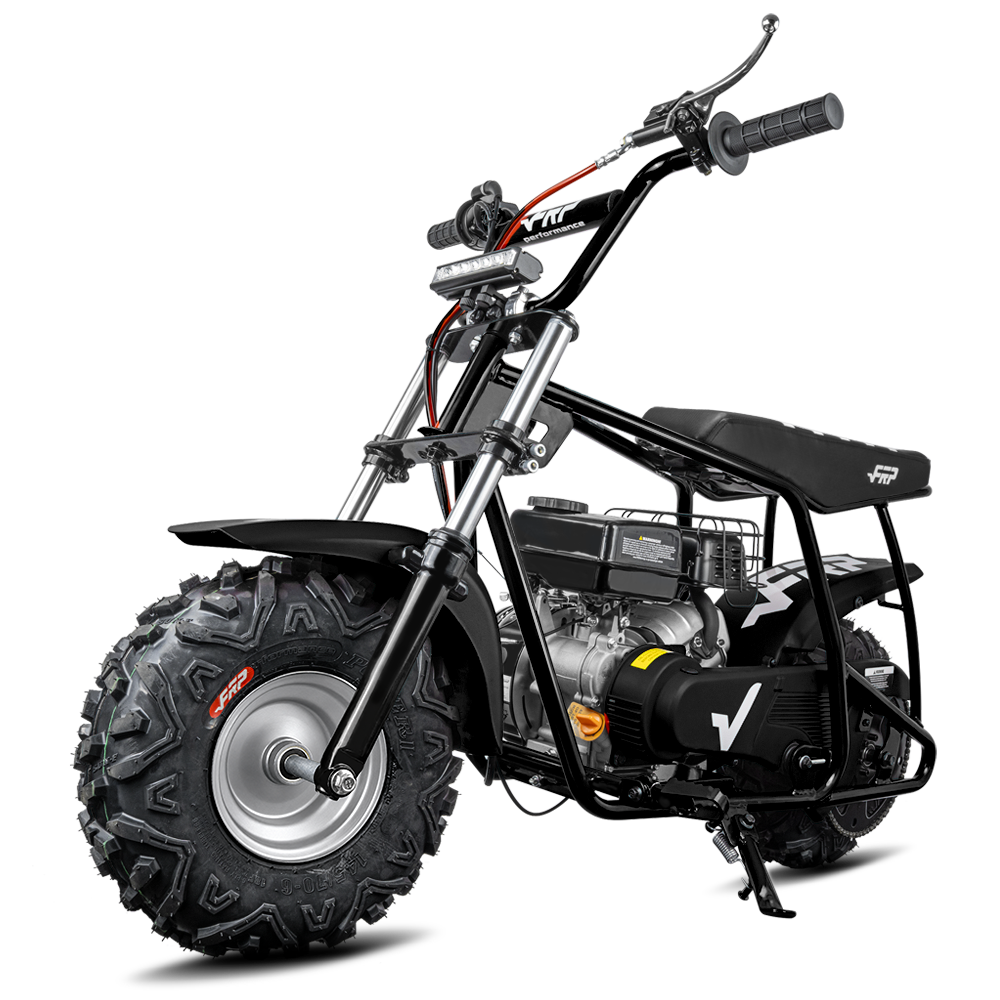
For a rider who wants to ride more than rebuild, that matters. The FRP Moto GMB100 gives a simpler 99cc complete-bike path for private-property recreation. The FRP Moto GMB100P fits riders who want a more trail-ready FRP Moto direction without guessing through random upgrades first. The FRP Moto GMB100 Frame is the more natural route when someone already knows they want to build around a frame.
That split is important. A complete bike is for someone who wants the platform decided. A frame is for someone who wants to make the decisions. Confusing those two paths is how riders end up with a good-looking project that is harder to own than expected.

FRP Moto vs GTS/BAM-Style Frame: Simple Comparison
| Path | Best for | Main advantage | Main caution |
|---|---|---|---|
| FRP Moto GMB100 complete bike | Beginners, families, and private-property riders who want a first real gas mini bike. | Known 99cc platform, clearer parts path, and easier ownership support. | Less custom-frame freedom than a build-from-scratch project. |
| FRP Moto GMB100 Frame | Builders who want a frame-first route but still want an FRP Moto starting point. | Defined frame path for engine, drivetrain, brake, tire, and fitment planning. | The builder still owns the setup decisions and final inspection. |
| GTS/BAM-style custom frame | Experienced builders who care most about stance, look, and custom identity. | Low custom style and more freedom to shape the build. | More guesswork around fitment, parts sourcing, stability, and support. |
What a GTS/BAM-Style Frame Does Better
A GTS/BAM-style frame path makes sense when the rider is intentionally building for a look and is willing to do the setup work that comes with it. That means checking fitment, confirming tire clearance, thinking through steering feel, choosing the right drivetrain, and inspecting hardware before riding.
For the right builder, that is not a downside. It is the point. The frame becomes a base for a custom bike, and the owner accepts that the final result depends on the quality of every decision after the frame.
For a first-time buyer, though, that same freedom can become noise. If the rider does not know how to judge front-end condition, chain alignment, brake setup, tire fit, or frame damage, a custom frame path can turn into a lot of guessing. The bike may still look right, but the ownership experience can feel less clear.
The Ride Feel Comes From the Whole Bike
When riders compare frame styles, they usually talk about the frame first because it is the easiest thing to see. The actual ride, though, comes from the whole bike working together.
| Ride factor | Why it matters | What to check |
|---|---|---|
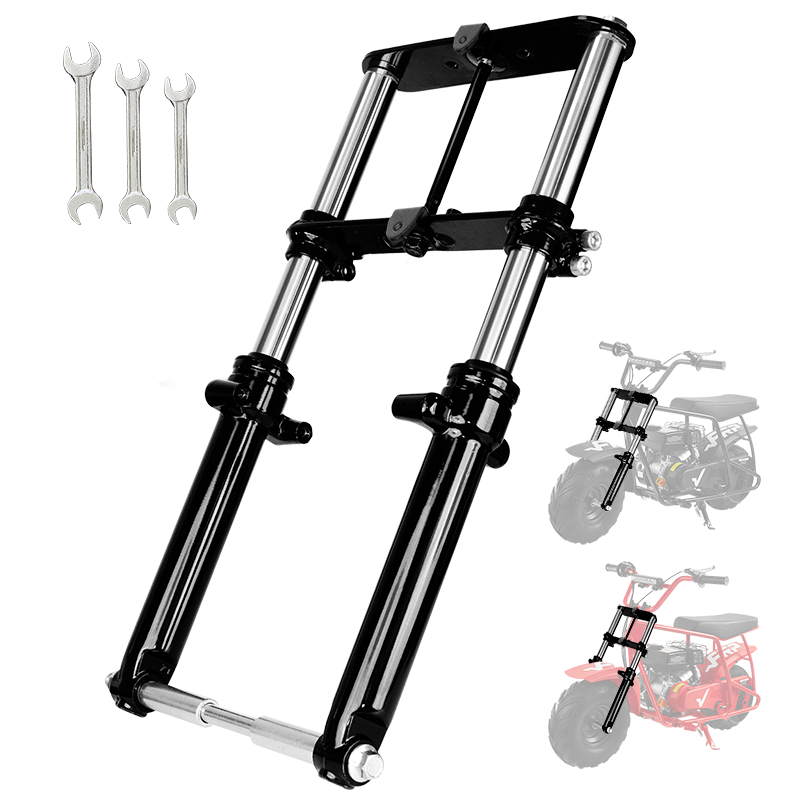
| Front-end setup | Loose or misaligned steering can make any frame feel unstable. | Forks, bearings, bars, axle hardware, and smooth steering movement. |
| Tires and wheels | Small tire changes can affect comfort, clearance, and tracking. | Tire size, wear, pressure, wheel straightness, and surface match. |
| Rider position | Seat height and bar position change how confident the bike feels. | Seat placement, handlebar reach, foot position, and rider size. |
| Drivetrain alignment | A poor chain line can create noise, wear, and handling distractions. | Clutch or converter position, sprocket alignment, chain tension, and guard clearance. |
| Parts path | A bike is easier to own when replacement parts are not a mystery. | Known model, supported parts, and clear fitment information. |
This is why the best frame choice is rarely just "the coolest-looking one." The frame has to work with the rest of the bike, the rider, and the place where the bike will actually be used
Speed Wobble Is a Setup Warning, Not a Style Debate
Speed wobble comes up often when riders talk about custom frames, stretched setups, or bikes that feel different from what they are used to. It is tempting to treat wobble like a personality trait of one frame style, but that is usually too simple.
A wobble can come from loose steering bearings, worn tires, poor wheel alignment, bent forks, loose axle hardware, frame damage, wheel imbalance, rider posture, or a setup being ridden beyond what it was built for. It can happen on more than one kind of frame when the parts, condition, or speed are wrong.
If a mini bike starts to wobble, the right move is not to ride through it. Slow down, stop, and inspect the bike. Check the front end first, then tires, wheels, axles, frame condition, and drivetrain. If the bike is used or heavily modified, assume nothing until you have checked it yourself.
Should You Add a Speed Damper?
A speed damper can help calm sudden steering movement on some custom setups, but it should not be the first answer. A damper does not fix a bent fork, a loose front end, a damaged tire, or a frame problem. It can only help after the basic mechanical condition is already right.
Before adding one, check the basics:
- Front and rear axle hardware is tight.
- Handlebars, forks, and steering hardware are secure.
- Tires are in good condition and suited to the riding surface.
- Wheels are straight and aligned.
- The frame and mounting points show no cracking, shifting, or impact damage.
If those items are not right, a damper is only hiding a problem. If they are right and the bike is still part of a custom higher-speed build, then the rider should treat damper choice as part of a broader setup plan, not a single magic part.
Which Path Fits Which Rider?
Choose the FRP Moto complete-bike path if you want a clearer ownership experience. This is the better fit for riders who want to get on a bike, learn it, maintain it, and use official support or parts when needed.
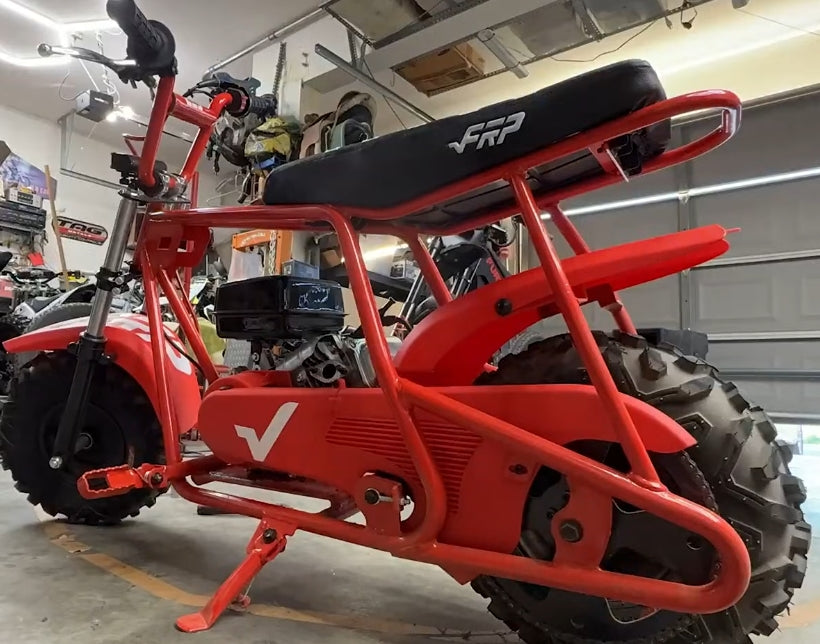
Choose the FRP Moto GMB100 Frame if you want to build, but still want a more defined FRP Moto starting point. This is the better middle ground for someone who understands that a frame build still needs careful engine, drivetrain, brake, tire, and fitment decisions.
Choose a GTS/BAM-style custom frame path if the look matters enough that you are willing to own the extra setup work. That path can make sense for a rider who enjoys building and inspection. It is less ideal for someone who wants a simple first mini bike.
Before You Buy a Custom Frame, Ask These Questions
- Do I know what engine, clutch or torque converter, chain, tires, brakes, and seat I plan to run?
- Can I inspect the frame for cracks, bent tubes, rough welds, and impact damage?
- Do I know where replacement parts will come from later?
- Am I choosing this frame because it fits my riding, or only because it looks good?
- If the bike feels unstable, do I know what to check before riding again?
If those answers are fuzzy, slow down. Start with a clearer platform, use FRP Moto replacement parts for model-specific items, review the FRP Moto Ownership Promise, and use FRP Moto Community Answers or FRP Moto Videos & Tutorials for support before guessing.
The Better Frame Is the One You Can Actually Own
A GTS/BAM-style frame can be the right choice when the rider wants a custom project and understands the setup responsibility. An FRP Moto-style complete bike can be the better choice when the rider wants a more predictable path. The FRP Moto GMB100 Frame sits between those two ideas: it gives builders a frame-first route without leaving the FRP Moto ecosystem entirely.
The mistake is choosing only by the photo. A mini bike has to steer, stop, track straight, fit the rider, and be serviceable after the first ride. A clean-looking frame is a great starting point only if the finished bike also makes sense under the rider.
FAQ
Are GTS/BAM-style frames better than FRP-style mini bike frames?
Not automatically. GTS/BAM-style frames may offer a lower custom look, while FRP Moto-style paths usually offer clearer support, fitment, and ownership logic. The better choice depends on the rider's goals and build experience.
Do GTS/BAM-style frames ride worse?
They do not ride worse just because of the name or style. Ride quality depends on geometry, front-end condition, tires, wheel alignment, rider position, drivetrain setup, and build quality.
What causes speed wobble on a mini bike?
Speed wobble can come from loose steering hardware, worn tires, bent forks, wheel alignment issues, axle hardware, frame damage, rider posture, or a setup being ridden beyond its safe range. Stop and inspect before riding again.
Is the FRP GMB100 Frame good for a custom build?
Yes, if you want a frame-first FRP build path and understand that fitment still matters. It is a cleaner starting point than buying random parts without a platform plan.
Should a beginner buy a custom frame or a complete mini bike?
Most beginners should start with a complete bike because the ownership path is clearer. A custom frame is better for riders who already understand inspection, fitment, and setup work.
Is a GTS/BAM-style frame a good first gas mini bike path?
Usually no. A GTS/BAM-style frame is better for experienced builders who want a custom project. A first gas mini bike path should prioritize predictable fitment, braking, steering condition, parts support, and easy ownership before custom stance.