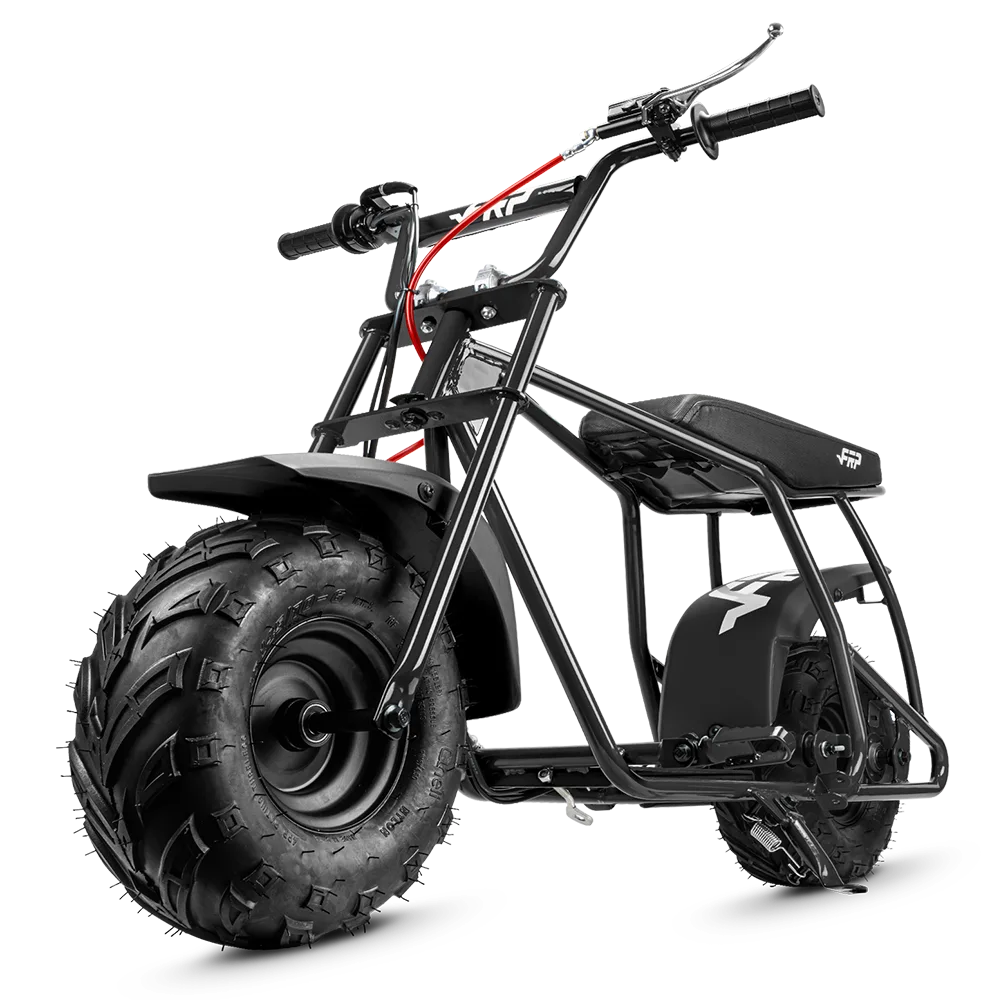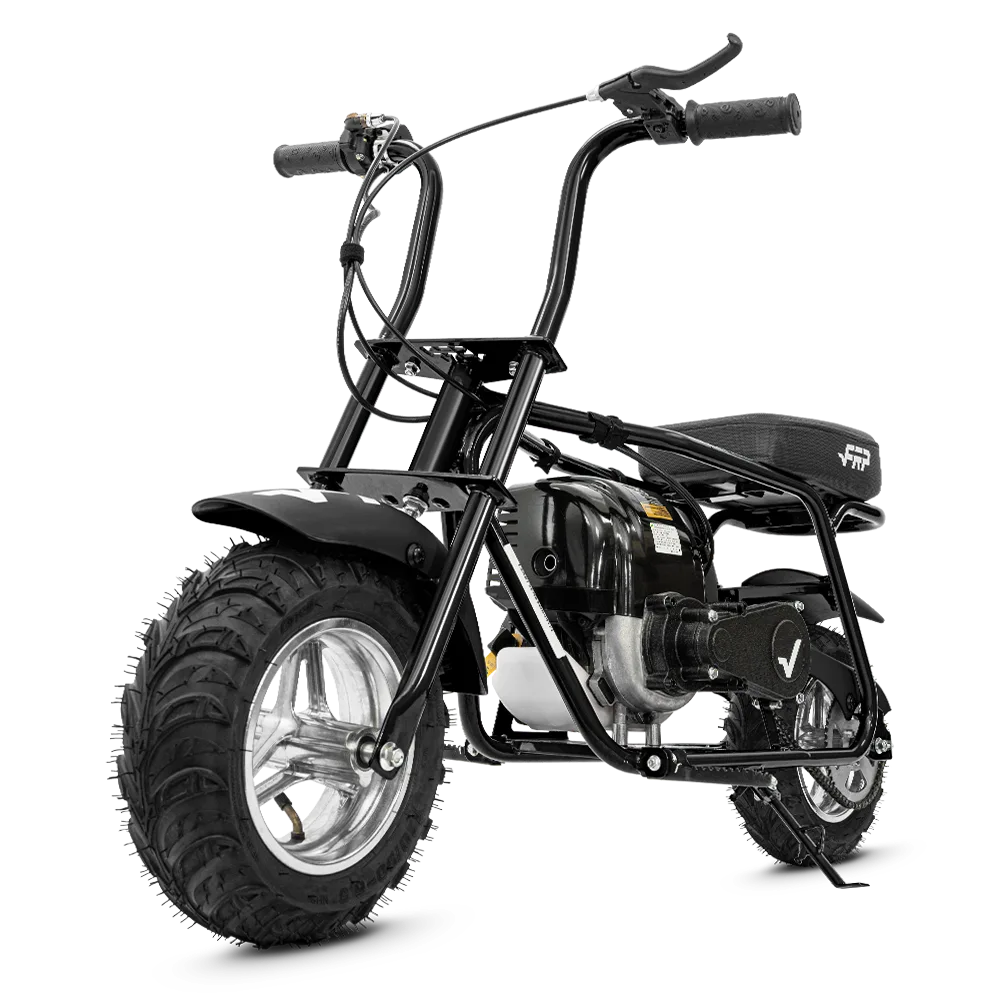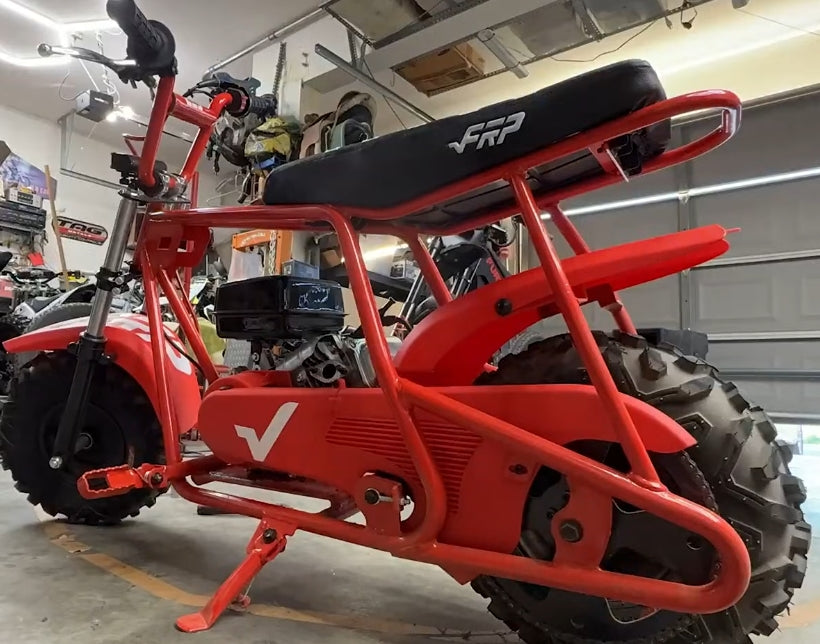
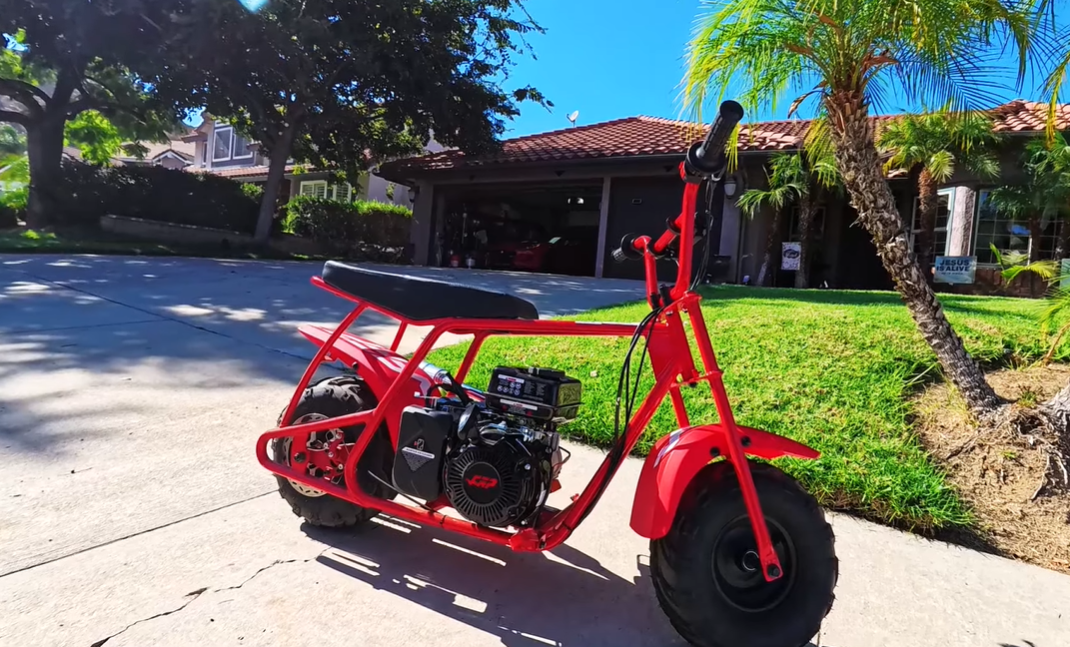
Most mini bikes are not automatically street legal. Public-road use depends on federal equipment standards, state DMV rules, local ordinances, registration, insurance, required safety equipment, and the exact riding location.
If your goal is recreational riding, start by choosing a permitted riding area first. FRP mini bikes are best matched to private-property, supervised family riding, closed courses, campsites, or approved off-road areas where motorized use is clearly allowed.
Let's break it all down—plain and simple.
Mini Bike Street Legality: The Basic Framework
Understanding the Legal Landscape
Laws differ across the U.S. You've got federal laws, state laws, and local rules. Some say mini motorbike, others say pit bike, but the law may treat them differently.
A street legal mini bike usually needs key features like lights, mirrors, and a license plate. Don't assume your mini crotch rocket is legal just because it looks fast.
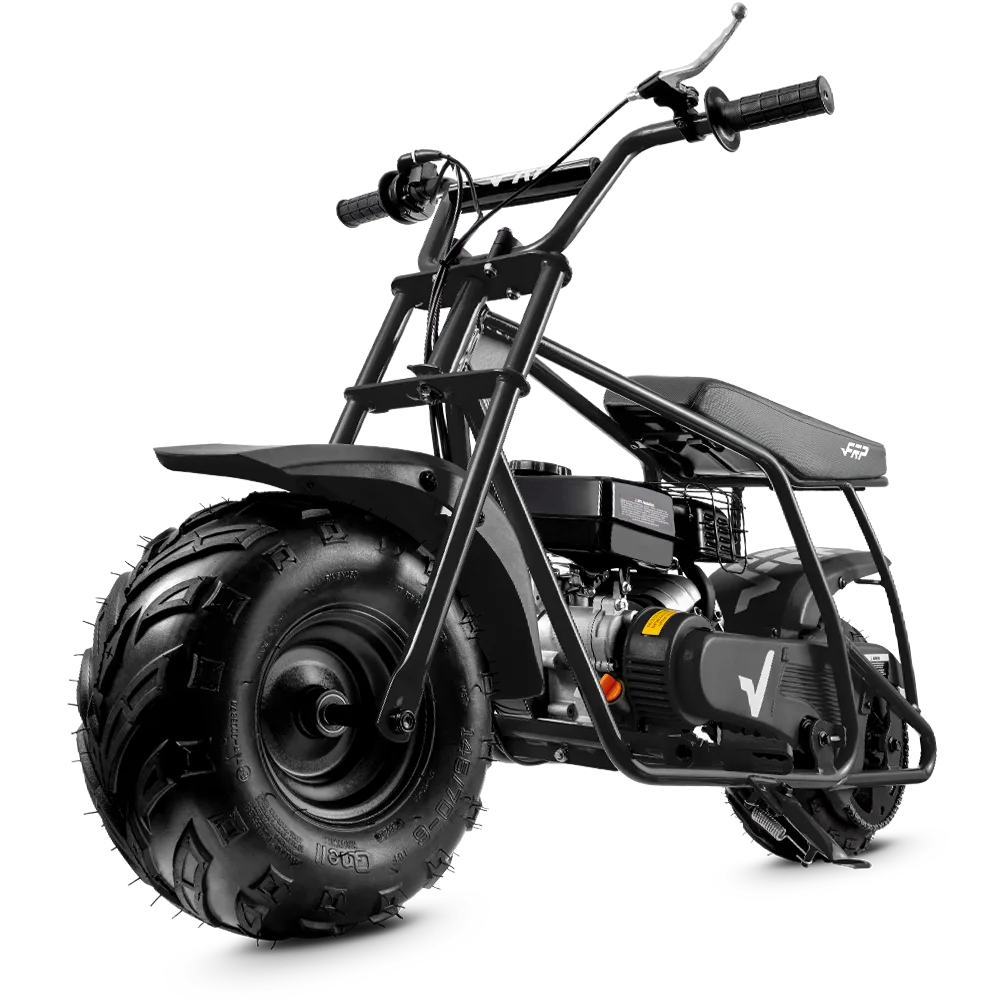
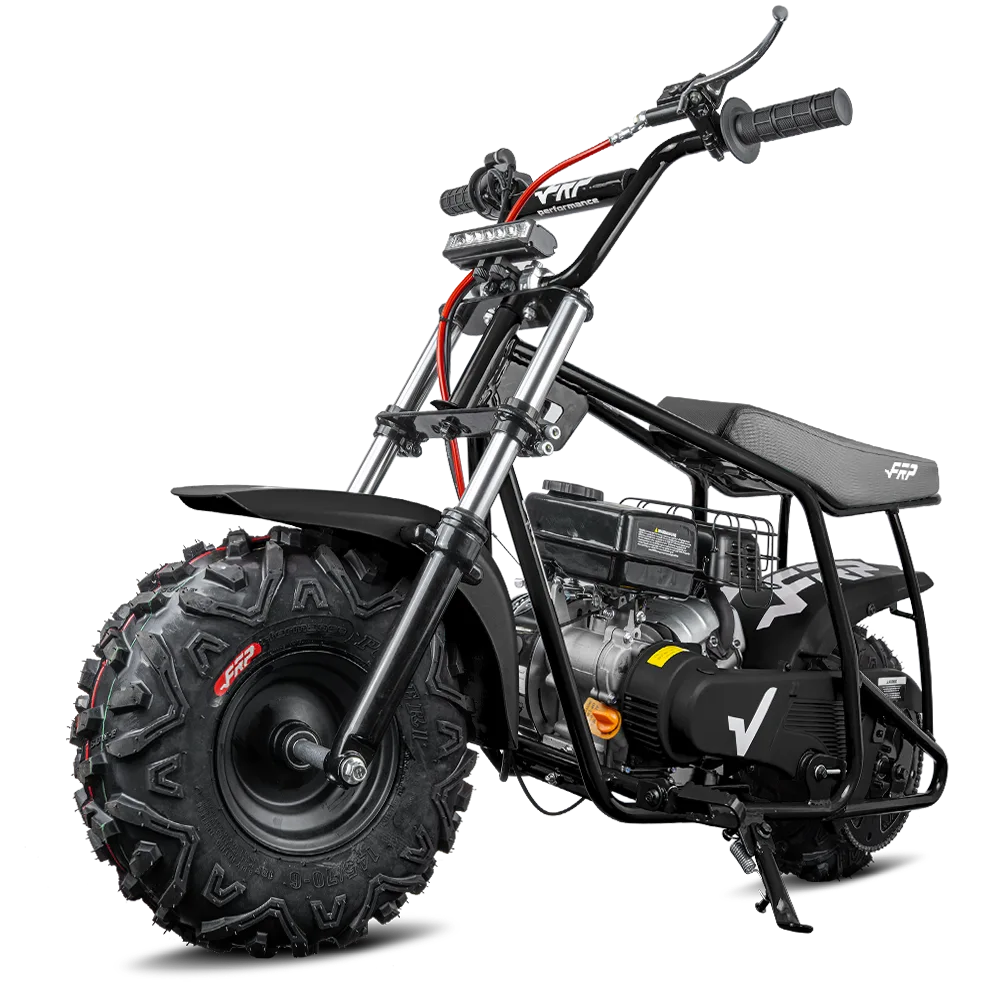
Many people confuse off-road mini bikes with street models. But the GMB100, with its 99cc engine and advanced braking, fits the mold for legal upgrades.

Key Legal Requirements Decoded
To ride your street legal mini bike safely and legally, you must meet a few key rules. These rules can vary depending on where you live, but some are common across most states.
Must-Have Equipment
● Headlight and Taillight: Required for visibility during low light.
● Mirrors: At least one side mirror is usually mandatory.
● Turn Signals: Many states require working blinkers on your mini motorbike.
● Horn: A working horn helps alert others on the road.
● License Plate Holder: Needed to display your legal tag clearly.
A pit bike or mini crotch rocket won't pass inspection without these. To stay legal, always check your local DMV laws before riding your street legal mini bike on public roads.
The Street-Legal Equipment Checklist
Essential Safety Features
To ride a street legal mini bike, safety features are a must. These parts protect you and others while you ride. They also help your mini motorbike meet state rules.
Must-Have Safety Parts
● Headlight and Taillight: These keep your pit bike visible at night or in fog.
● Brake Lights: Let others know when you're stopping.
● Rearview Mirrors: Help you watch traffic behind your mini crotch rocket.
● Turn Signals: Let drivers know your next move.
● Reflectors: Boost visibility, especially when riding at dusk.
● Horn: Alerts people when needed.
A street legal mini bike needs all these parts working. Don't skip any. Equipment upgrades alone do not guarantee road approval. Registration, inspection, insurance, and local rules still control where the bike can be used.
Performance Requirements
A street legal mini bike must meet certain performance rules to be allowed on public roads. These rules help make sure your ride is safe and not too fast or loud for traffic.
Key Performance Needs
● Speed Limit: Speed alone does not make a mini bike street legal. Even a lower-speed mini bike may still need compliant equipment, registration, insurance, and local approval before public-road use.
● Engine Size: A 99cc engine is often okay for a mini motorbike or pit bike on city streets.
● Noise Level: Your mini crotch rocket can't sound like a racecar. Use a muffler if needed.
● Emissions: Some places require low emissions. Always check your state's rules.
Meeting these points helps you ride your street legal mini bike without worry or fines.
Where You Can (and Can't) Legally Ride
Public Road Classifications
Not all roads allow your street legal mini bike. Knowing where you can ride is just as important as having the right gear.
Road Types Explained
● Neighborhood Streets: These are usually fine for a mini motorbike or pit bike if they meet legal standards.
● Main Roads: Some towns allow a street legal mini bike, but only where speed limits are 30 mph or less.
● Highways and Freeways: These are off-limits. Your mini crotch rocket isn't fast or heavy enough for high-speed traffic.
● Crosswalk Areas: You may cross main roads, but only at legal crossings.
Always check local laws before riding your pit bike on any public road. Not knowing could cost you a fine—or worse.
Off-Road Options
If riding your street legal mini bike on public roads isn't possible, off-road areas give you plenty of freedom. These places are great for testing the power of your mini motorbike or pit bike without worrying about traffic rules.
Legal Off-Road Spots
● OHV Parks: Off-Highway Vehicle parks are made for dirt rides. Your mini crotch rocket will fit right in.
● Private Property: Got land or know someone who does? Ride all you want with permission.
● Trails and Forest Roads: Some public lands allow pit bikes and mini motorbikes, but check the signs.
● Local Riding Areas: Many towns offer dirt bike tracks or trails for safe fun.
These options keep your riding legal and exciting.

Making Your GMB100 Street Ready
Essential Modifications
To turn your pit bike or mini motorbike into a street legal mini bike, a few smart upgrades are required. These changes help meet safety laws and improve your ride on public roads.
Must-Do Modifications
● Lighting Upgrades: Add LED headlights, brake lights, and turn signals. They're brighter and last longer.
● License Plate Bracket: A secure place to mount your tag is a must.
● Horn and Mirrors: These help with awareness and meet road rules.
● Noise Control: Install a muffler to keep your mini crotch rocket quiet and legal.
These upgrades don't just meet the law—they also make your ride safer. A well-equipped mini bike is still only appropriate on public roads if your local rules, registration path, insurance, and required documents allow it.
Optional but Smart Upgrades
While not required, these upgrades make riding your street legal mini bike more enjoyable and safer in daily use.
Useful Add-Ons
● Reflective Tape or Decals: Boost visibility, especially at night. A must for city rides.
● Storage Pouch: Carry papers and tools on your mini motorbike with ease.
● Alarm Lock System: Keeps your pit bike secure when parked.
● Comfort Seat Pad: Helps on longer trips and reduces fatigue.
● Phone Mount or GPS: Great for navigating new routes with your mini crotch rocket.
Adding these extras can take your street legal mini bike from basic to pro-level in minutes.
The Registration Process Simplified
Step-by-Step Registration Guide
Registering your street legal mini bike is key to riding legally. Follow these steps to stay on the right side of the law.
How to Register
● Step 1: Get a bill of sale for your mini motorbike or pit bike.
● Step 2: Add all required safety features before inspection.
● Step 3: Visit your local DMV with ID, proof of ownership, and bike photos.
● Step 4: Fill out the form and pay the fees.
Once approved, you'll get a license plate. Now your mini crotch rocket is road-ready and 100% legal to ride.
Insurance Matters
Even a street legal mini bike needs insurance. It protects you, your ride, and others on the road.
Types of Coverage
● Liability: Required in most states. Covers damage or injury you cause.
● Collision: Helps pay if your mini motorbike or pit bike gets damaged in a crash.
● Comprehensive: Covers theft, fire, or weather damage. Great for your mini crotch rocket.
● Medical Payments: Pays hospital bills if you're hurt while riding.
Call your insurance company and ask about motorcycle or moped coverage. Riding your street legal mini bike with proper insurance keeps you protected and legal every mile.
Riding Responsibly: Beyond the Law
Best Practices for Street Riding
Riding a street legal mini bike is fun, but safety should always come first. Follow these smart tips every time you ride.
Safe Riding Habits
● Wear Gear: Always wear a helmet, gloves, and bright clothes on your mini motorbike.
● Stay Visible: Use lights and reflective gear, especially on your pit bike at night.
● Obey Traffic Laws: Stop at signs, use signals, and follow speed limits.
● Ride Defensively: Watch out for cars and give space.
Whether it's a mini crotch rocket or a street legal mini bike, smart riding keeps you safe and respected on the road.
Community Relations
Riding a street legal mini bike means being part of the neighborhood. How you ride affects how others see all mini motorbike riders.
Be a Good Neighbor
● Limit Noise: Use a quiet exhaust on your mini crotch rocket to avoid complaints.
● Respect Property: Never ride your pit bike on private land without permission.
● Ride Polite: Slow down near homes, parks, and sidewalks.
● Follow Local Rules: Obey all signs and respect quiet hours.
Being respectful helps everyone. A friendly wave and safe riding habits can keep your street legal mini bike welcome in any area.
When Things Go Wrong: Legal Protection
Know Your Rights
If you're riding your street legal mini bike, it's smart to know your rights in case you're stopped.
What to Do When Stopped
● Stay Calm: Be polite and respectful to the officer.
● Show Documents: Carry your license, registration, and insurance for your mini motorbike.
● Answer Clearly: Explain that your pit bike meets all legal rules.
● Don't Argue: If there's an issue, ask for a written notice and stay respectful.
Knowing your rights helps protect you and your mini crotch rocket. Always be prepared, and make sure your street legal mini bike is fully compliant with local laws.
Smart Risk Management
Owning a street legal mini bike means being ready for anything. Smart planning helps you avoid trouble.
Stay Protected
● Keep Records: Always save receipts, insurance papers, and photos of your mini motorbike.
● Check Your Ride: Inspect your pit bike before each ride—brakes, lights, tires, and signals.
● Avoid Lending: Don't let others ride your mini crotch rocket without the right license.
● Use Safety Gear: Helmets and gloves lower injury risks if something goes wrong.
Being careful with your street legal mini bike keeps you safe, legal, and ready to ride with confidence every day.
Conclusion
So, is your mini bike street legal? That depends on your bike—and your local laws. But with the right upgrades, the answer can be yes.
The GMB100 stands out as a smart choice. It offers solid performance, legal upgrade options, and a design fit for both fun and safety.
Stay informed. Follow your local rules. And enjoy the ride—legally and safely. For full specs and upgrades, visit the official FRP GMB100 product page.
License and riding-location quick checks
Before riding a mini bike, answer two questions separately: where will it be used, and what does that location require? Private property with permission is different from a public road, sidewalk, parking lot, neighborhood street, park trail, or OHV area.
- Private property: get clear permission and keep youth riders supervised.
- Public roads: check DMV, city, county, insurance, registration, equipment, and license rules before riding.
- OHV areas and trails: confirm whether gas mini bikes are allowed, whether permits are required, and whether age or helmet rules apply.
- Neighborhood rides: do not assume a short loop is allowed just because traffic is light.
This page is general riding guidance, not legal advice. FRP mini bikes and youth powersports products should be matched to rider size, supervision, and a permitted riding area.
Quick Answer: Are Mini Bikes Street Legal?
Most mini bikes are not treated as normal street-legal vehicles. They are usually best understood as private-property or off-road recreational vehicles unless your state, county, city, or local riding authority clearly says otherwise. Before riding, check local rules for registration, required equipment, age limits, helmets, OHV use, public-road access, and private-property permission.
If your goal is legal recreational riding, start with the riding area first, not the bike. A mini bike may be a good fit for private property, closed riding areas, campsites, or approved off-road spaces, but it should not be assumed legal for neighborhood streets, sidewalks, parking lots, or public roads.
Before a Group Ride or Neighborhood Ride: What Should You Check?
If a mini bike ride touches a public street, shared neighborhood road, parking lot, sidewalk, or event route, treat it as a legal and safety question before you ride. Do not assume a group ride, meet-up, or short neighborhood loop is allowed just because other riders are doing it.
- Check the full route before the ride. If it includes public streets, contact the city, county, DMV, park office, or event organizer before riding.
- Use written rules, not social media comments. Local enforcement and OHV access rules can change by city, county, park, and event location.
- Keep youth riders, first-time riders, and family riders on private property or approved off-road areas with adult supervision.
- Do not use sidewalks, bike lanes, or pedestrian paths as a backup route for a gas mini bike.
- If you are unsure, choose a private-property riding area, off-road park, closed course, or another location where motorized off-road use is clearly permitted.
This article is general riding guidance, not legal advice. FRP mini bikes and youth powersports products should be used according to the product instructions, local rules, and the limits of the riding area.
FRP Options for Private-Property Riding
If you are shopping after researching mini bike laws, compare the FRP model to the rider and riding area. The goal is not to force an off-road mini bike into a street-use situation. The better path is choosing the right vehicle for private-property recreation, family outdoor use, and supervised beginner riding.
- FRP GMB100: a 99cc gas mini bike option for older teens, adult beginners, and private-property recreation.
- FRP MB40: a smaller first gas mini bike path for supervised younger riders.
- FRP Sahara 40 Kids ATV: a four-wheel option for families comparing a kids ATV with a two-wheel mini bike.
- Browse all FRP gas mini bikes: see the full line of gas mini bikes in one place to match the right model to rider size, age, and available riding space.
New owners should also use the FRP First Ride Kit before the first ride, the FRP Community Answers hub for common ownership questions, and the FRP Ownership Promise for parts, setup, and long-term support.
First gas mini bike buyer guide
See also: Mini Bike Laws by State 2026 — Texas county road access, California CARB rules, Georgia permissions, and OHV registration requirements for all major states.
Planning where and what to ride?
Also researching: Is a Dirt Bike Street Legal? — full conversion requirements, state-by-state pathways, cost breakdown (85–$1,085+), and when a dual-sport motorcycle makes more sense than converting an off-road bike.
Use the buyer guide to connect street-legal limits, private-property riding, rider fit, safety checks, and FRP gas mini bike model selection.
Open the Gas Mini Bike Buyer GuideStill deciding which mini bike to get?
See how FRP GMB100 stacks up against Coleman mini bike
Where to Ride by State: Local Guides
State laws and riding areas vary a lot. These local guides cover registration, where you can legally ride, and the best off-road areas in each state:
- Colorado — OHV registration, Rampart Range and top riding areas
- Arizona — the $25 OHV decal, 2025 safety course, and where to ride
- Pennsylvania — why dirt bikes can't use state ATV trails, and where you can ride
- Massachusetts — registration even on private property, and the age rules