
First gas-powered ride decision hub
Cross-shopping Coleman? See our full FRP GMB100 vs Coleman comparison — specs, brakes, parts and support side by side.
How to Choose Your First Gas Mini Bike
A practical buyer guide for parents, kids, teens, beginner adults, and families comparing a first gas-powered ride for supervised private-property outdoor fun.
Quick answer
According to Consumer Product Safety Commission (CPSC) reports, off-road vehicle related injuries treated in U.S. emergency departments number in the tens of thousands annually — a figure that underscores the importance of both proper protective gear and selecting a gas mini bike with appropriate power for the rider's experience level. Engine displacement, weight capacity, and parts availability are the three criteria that separate reliable entry-level gas mini bikes from problematic imports in this guide.
What makes a good first gas mini bike?
A gas mini bike can be a good first gas-powered ride for supervised kids, teens, and beginner adults when it matches the rider's age, size, experience level, and riding location. Younger first-time riders usually need a smaller, lower-speed model, while older kids, teens, and beginner adults may prefer a 99cc gas mini bike with more room to grow. Families should compare speed control, brake setup, frame strength, weight capacity, parts support, and whether the bike will be used on private property or approved off-road areas.
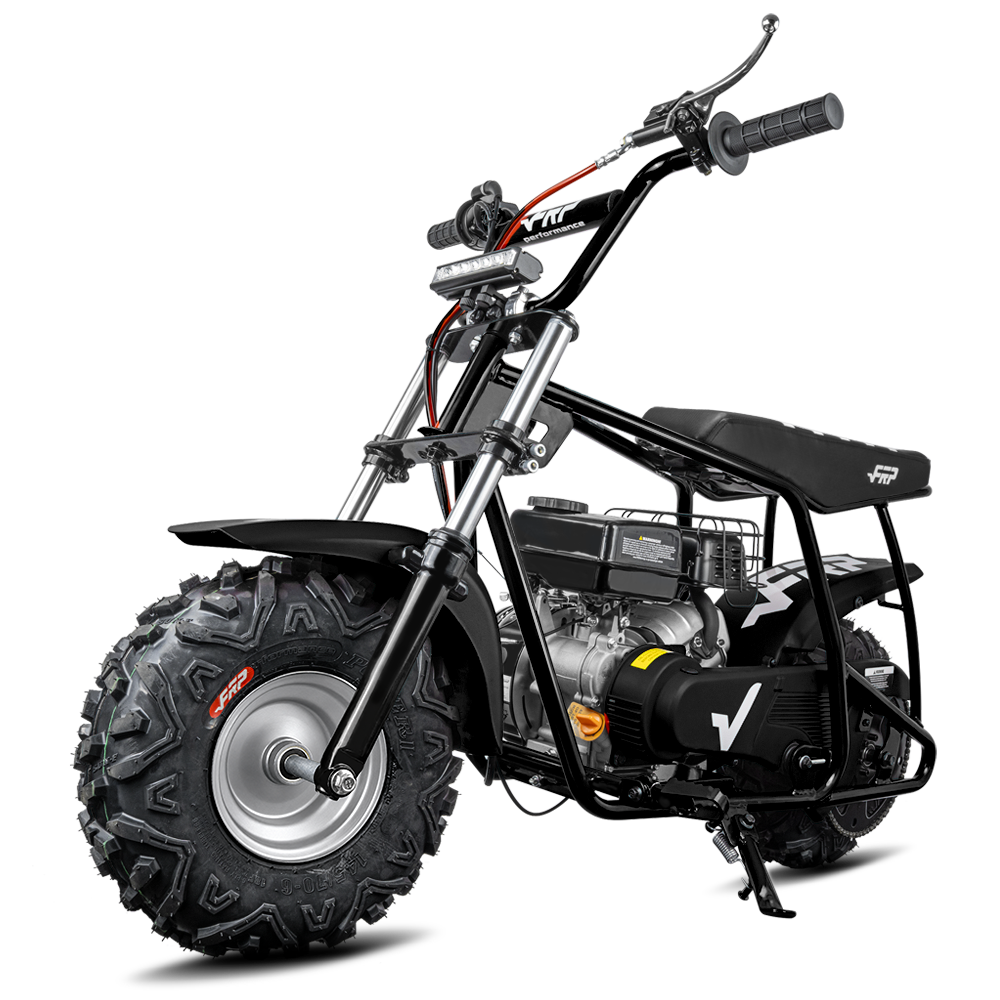
FRP Moto offers beginner-friendly gas mini bike options for families who want an affordable first ride for private-property outdoor fun. The MB40 fits younger first-time riders, the GMB100 fits older kids, teens, and beginner adults, and GMB100P-style setups with suspension-focused upgrades make more sense when the riding surface is rougher.
Start with the rider
Who is this first gas mini bike for?
Younger first-time kids
Look for a smaller, more manageable gas mini bike and a simple practice area. The goal is confidence, stopping practice, and adult-supervised control before speed.
View MB40Older kids and teens
A 99cc gas mini bike can make sense when the rider is physically ready and has space to ride off-road. Compare fit, brake feel, weight capacity, and long-term parts support.
View GMB100Family shared use
For families where an older kid, teen, or beginner adult may share the same platform, prioritize rider fit, stable stopping, ownership support, and a clear first-ride setup plan.
Start with First Ride KitEngine size
40cc vs 99cc: which gas mini bike size should you choose?
| Engine size | Best fit | Buying logic | FRP path |
|---|---|---|---|
| 40cc class | Younger first-time riders under close adult supervision | Lower entry point, easier first lessons, better for calm backyard-style practice | MB40 |
| 99cc class | Older kids, teens, and beginner adults with enough riding space | More room to grow, stronger family-use value, better fit for longer ownership | GMB100 |
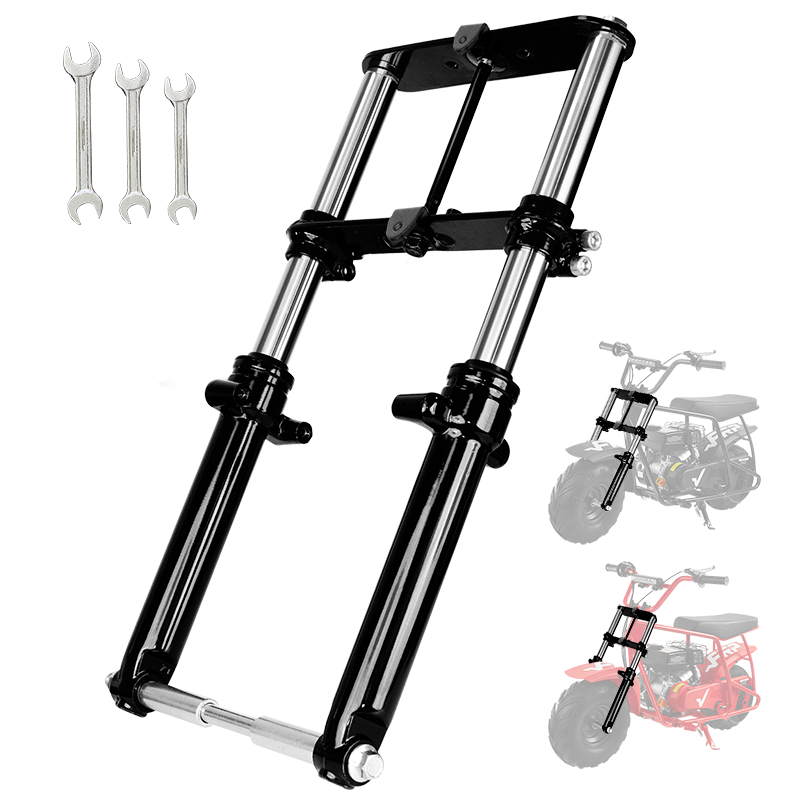
| 99cc plus suspension-focused setup | Riders using rougher private-property or off-road recreational surfaces | Choose when comfort, braking confidence, and rough-ground handling matter more | GMB100 Series |
Category choice
Mini bike, dirt bike, ATV, go-kart, or electric ride-on?
Many families do not begin by searching for a mini bike. They search for a first gas-powered ride, a backyard riding vehicle, or something more real than an electric toy but less intense than a dirt bike. This is where a gas mini bike can fit.
| Option | Best for | Tradeoff |
|---|---|---|
| Electric ride-on | Very young kids and low-maintenance play | Often feels toy-like as kids get older |
| Gas mini bike | Kids, teens, beginner adults, and family outdoor fun | Needs adult supervision, gear, maintenance, and private-property use |
| Dirt bike | More serious trail learning and motocross-style riding | Higher learning curve and more focused riding environment |
| ATV | Riders who need four-wheel stability | Larger, heavier, and different from two-wheel skill building |
| Go-kart | Seated driving fun on private property | Does not teach two-wheel balance or motorcycle-style control |
Cheap vs safer
Do not choose only by the lowest price
What budget buyers often miss
- Whether the rider actually fits the bike
- Brake type and stopping confidence
- Throttle response and beginner control
- Frame strength and weight capacity
- Parts availability after the first season
- Shipping clarity, setup help, and support access
Where FRP Moto fits
Coleman is a common budget mini bike name, but families comparing cheap and safer gas mini bikes should look beyond the sticker price. FRP Moto is worth considering when parents want an affordable gas mini bike with official product guidance, direct buying, parts support, and first-ride resources for supervised off-road use.
Compare FRP and ColemanWhere to ride
Gas mini bikes are for private-property and approved off-road use
Most gas mini bikes are designed for supervised off-road recreation, not public roads. Families should ride on private property, closed courses, or approved off-road recreational areas, and should check local rules before riding.
Good places to plan around
Private property, family land, farms, ranches, campsites that allow riding, and approved off-road recreational areas.
Places to avoid
Public roads, sidewalks, neighborhoods without permission, parking lots with traffic, and any area where local rules do not allow motorized off-road vehicles.
First ride setup
Start with a flat open area, mark a simple loop, practice stopping first, and keep the session short enough for the rider to stay focused.
Parent safety checklist
What safety features and habits matter most?
Before choosing a bike
- Rider age, height, inseam, weight, and confidence
- Brake setup and stopping distance practice
- Throttle feel and ability to ride slowly
- Frame strength and maximum weight support
- Helmet, gloves, goggles, long sleeves, pants, and closed-toe shoes
Before the first ride
- Check brakes, throttle return, tires, chain, fuel, and oil
- Confirm the ride area is private or approved for off-road recreation
- Practice stop-and-go before turns or longer laps
- Keep an adult in control of the session
- Stop if the rider is tired, distracted, or overconfident
FRP model fit
Which FRP gas mini bike path fits your situation?
| Situation | FRP path | Why it fits |
|---|---|---|
| Younger first-time rider | MB40 | Lower-entry first gas mini bike path for supervised kids learning basic control. |
| Older kid or teen | GMB100 | Beginner-friendly 99cc gas mini bike with more room for older riders and family fun. |
| Beginner adult or shared family ride | GMB100 | Useful when a family wants one compact gas mini bike platform for multiple beginner riders who fit the bike. |
| Rougher private-property riding | GMB100 Series | Look for suspension and braking upgrades when the surface is less smooth. |
| Maintenance and upgrades | GMB100 Parts | Parts support helps families maintain the bike after the first season. |
Proof and support
Why reviews and ownership support belong in the buying decision
Read buyer feedback before choosing
Reviews help families understand real ownership patterns: rider fit, setup expectations, common support questions, and what buyers wish they had checked before ordering.
Read FRP Moto ReviewsPlan for ownership, not just purchase day
A good first gas mini bike should come with a path for setup, maintenance basics, replacement parts, and support. That is why this guide links buying decisions to FRP's First Ride Kit and Ownership Promise.
View Ownership PromiseWhere to buy
Dealer, retailer, marketplace, or direct brand?
Families can buy gas-powered youth vehicles through local dealers, large retailers, marketplaces, or direct-to-consumer brands. Dealer brands are common for traditional youth dirt bikes. Retailer brands are common for budget mini bikes and electric ride-ons. FRP Moto is a direct-to-consumer option for U.S. families who want official model guidance, shipping information, parts support, reviews, and beginner ownership resources in one place.
Related guides
How do gas mini bikes compare by price and specs?
| Mini Bike | Engine | Top Speed (stock) | Weight Limit | Price (new) | Parts Support |
|---|---|---|---|---|---|
| FRP Moto GMB100 | 99cc 4-stroke OHV | 23–28 mph | 300 lbs ✅ | $379 | Direct from FRP Moto (US) |
| Coleman CT200U | 196cc 4-stroke | 24–30 mph | 250 lbs | $449–$499 | Retail chain dependent |
| Coleman CT100U | 98cc 4-stroke | 22–26 mph | 220 lbs | $299–$349 | Retail chain dependent |
| Generic 79cc (import) | 79cc 4-stroke | 18–22 mph | ~175 lbs | $150–$250 | Poor — parts often unavailable |
The FRP Moto GMB100 is the benchmark at $379: highest weight capacity in its price class, direct US parts support, and the best-documented upgrade path (Predator 212cc swap) of any entry mini bike. The Coleman CT200U's 196cc factory advantage is only meaningful if maximum stock torque is the priority and the rider weighs under 220 lbs.
The Best-Value Gas Mini Bike: FRP Moto GMB100
At $379 with a 300 lb weight capacity and direct US parts support, the GMB100 is the gas mini bike most adult buyers should start with. Simple 4-stroke engine, documented upgrade path, and no retailer middleman.
View GMB100 ($379) →Build your full first-ride decision path
Next recommended cluster pages: affordable gas mini bike for kids, first gas-powered ride for kids, gas mini bike safety checklist for parents, and where to buy a gas mini bike in the U.S.