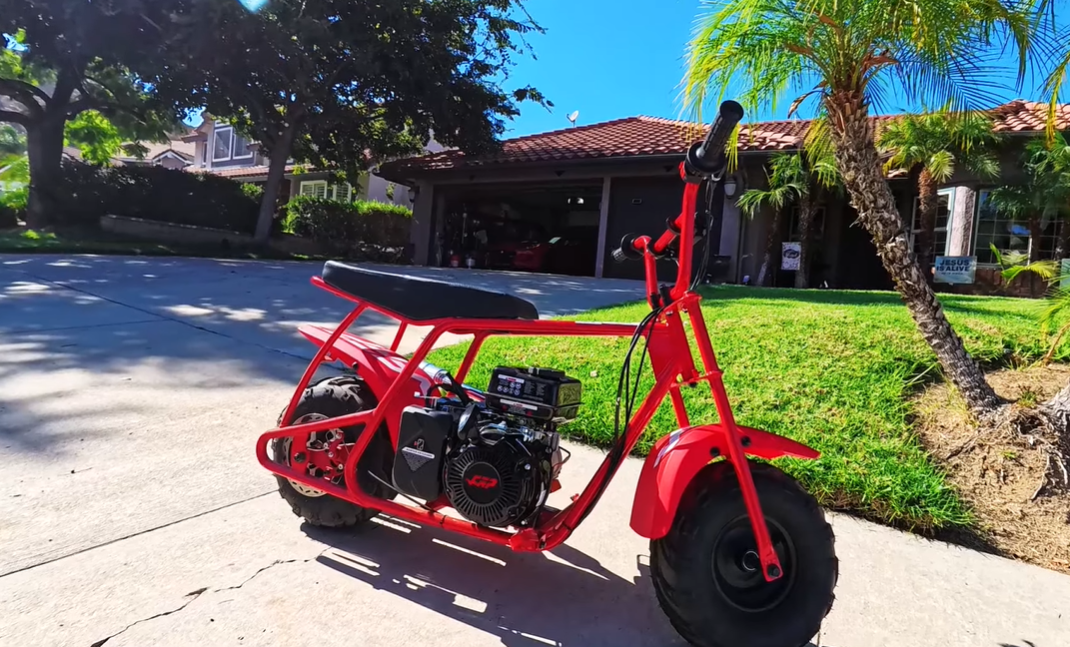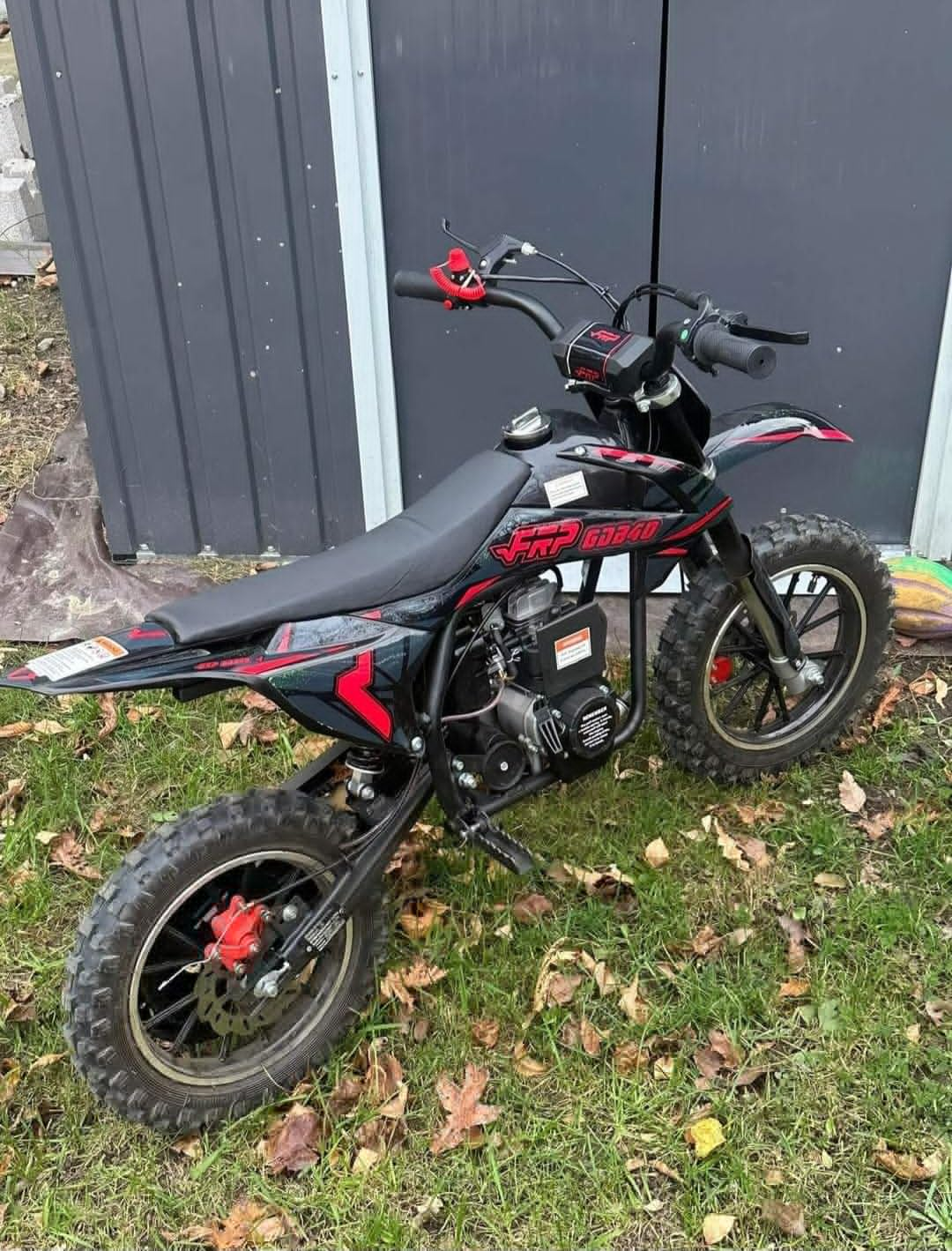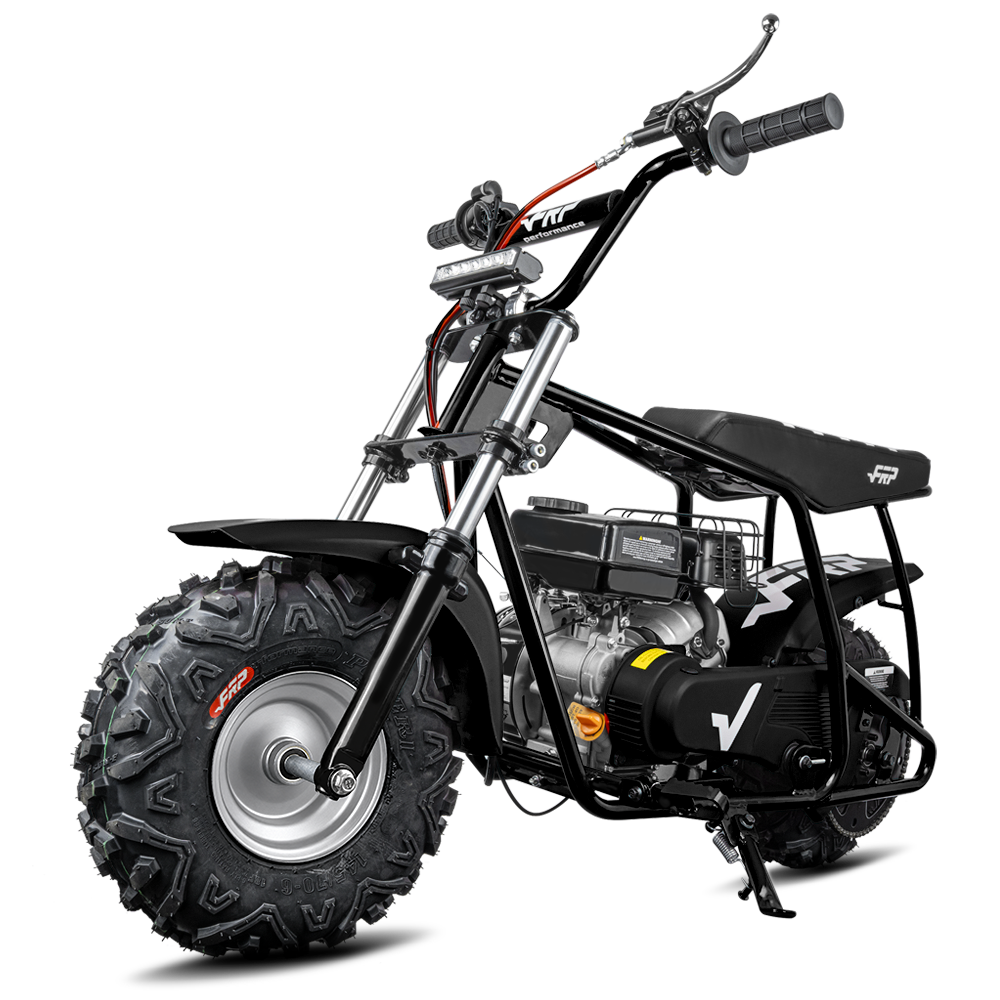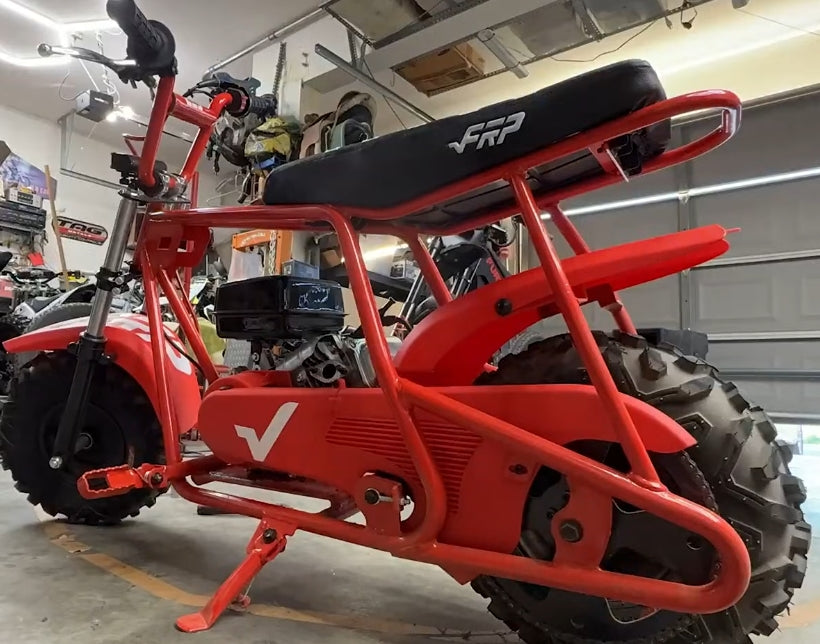

FRP Moto mini bikes (GMB100 series) are sold as off-road / private-property vehicles — the state-by-state rules below apply whether you're riding an FRP or any other brand.
TL;DR
- No US state allows stock mini bikes on public roads without registration, insurance, and DOT-required equipment.
- Most states have OHV (off-highway vehicle) trail systems where mini bikes are legal with a simple permit or registration.
- Private property is legal in every state — no permit required if you own or have permission to use the land.
- Texas and Georgia are the most permissive for limited road use; California and New York are the most restrictive.
- Laws change. Always verify with your state DMV or DNR before riding on public land.
Mini bike laws vary significantly by state — and even by county in some cases. The federal baseline is consistent: any motor vehicle operated on a public road must meet FMVSS safety standards, which stock mini bikes do not. What varies is how each state handles off-road registration, OHV trail access, and limited road exceptions. Here's the state-by-state picture for 2026.
Mini Bike Laws by State: Quick Reference Table
| State | Street Legal (Stock)? | OHV Registration Available? | Private Property? | Notes |
|---|---|---|---|---|
| Texas | No (limited county exception) | Yes — OHV decal required | Yes | Some counties allow OHVs on unpaved public roads |
| California | No | Yes — OHV Green Sticker program | Yes | Strict emissions rules; CARB compliance required for OHV registration |
| Florida | No (unless registered as moped <50cc) | Yes | Yes | 99cc+ mini bikes cannot qualify as mopeds under FL law |
| New York | No | Limited | Yes | ATV/OHV laws restrict most mini bikes; county-level riding areas |
| Ohio | No | Yes — ORV sticker | Yes | Designated ORV areas on state/federal land |
| Pennsylvania | No | Yes | Yes | Not permitted on any public road regardless of equipment |
| Michigan | No | Yes — ORV license required | Yes | Strong ORV trail network; license required for all off-road riding on public land |
| Georgia | Limited — if fully equipped | Yes | Yes | One of the more permissive states if lights/horn/DOT tires are installed |
| Arizona | No | Yes — OHV decal | Yes | Large BLM land access; extensive OHV trail network |
| Illinois | No | Yes | Yes | Off-road only; no street use permitted |
| Colorado | No | Yes — OHV registration | Yes | Extensive state OHV program; many designated trails |
| North Carolina | No | Yes | Yes | OHV parks operated by state; helmets required |
| Washington | No | Yes — Discover Pass required for state land | Yes | DNR manages OHV trail system |
This table reflects general law as of 2026. County-level ordinances, seasonal closures, and rule changes can affect what's legal in your specific area. Always verify with your state DMV and DNR before riding on public land.

What "Street Legal" Actually Requires in Every State
The federal minimum is the same everywhere: to operate a motor vehicle on a public road, the vehicle must be titled, registered, insured, and meet Federal Motor Vehicle Safety Standards (FMVSS). For a mini bike, this means installing:
- DOT-compliant headlight and tail light
- Turn signals (front and rear)
- Brake light
- Rearview mirror
- Horn
- DOT-rated tires
- VIN number (required for registration in most states)
Most stock mini bikes — including the FRP GMB100 — are not sold with VIN numbers, because they're designed and sold as off-road vehicles. Without a VIN, you cannot title or register the vehicle in most states, which makes road use legally impossible regardless of what equipment you add.
A small number of states have low-speed vehicle (LSV) or neighborhood electric vehicle (NEV) categories that some gas-powered mini bikes can qualify under — but the requirements are vehicle-specific and most 99cc–212cc mini bikes don't meet them. See the full breakdown of what it takes to make a mini bike street legal.
The States That Matter Most
Are Mini Bikes Street Legal in Texas?
Texas Transportation Code Chapter 502 allows counties to authorize OHV operation on unpaved public roads within their jurisdiction. This means in some rural Texas counties, you can legally ride a registered OHV — including a mini bike with an OHV decal — on designated county roads. This is one of the most permissive frameworks in the US for road-adjacent mini bike use. It does not apply to state highways or city streets, and county adoption is not universal. Check your specific county's rules before assuming road access applies.
Are Mini Bikes Street Legal in California?
California has the most restrictive mini bike regulations in the country. The CARB (California Air Resources Board) imposes emissions standards that most imported mini bike engines don't meet for street registration. Even for OHV use, California's Green Sticker program requires CARB compliance. If you're buying a new mini bike in California for OHV trail use, confirm it carries a California OHV certification before purchasing. The FRP GMB100 is EPA-certified, but EPA certification is not the same as California CARB compliance for OHV.
Are Mini Bikes Street Legal in Florida?
Florida defines mopeds as motorized cycles under 50cc capable of no more than 30 mph. Most mini bikes with 99cc or larger engines — including the FRP GMB100 — do not qualify as mopeds and cannot be street-registered under this category. OHV riding in Florida is managed through designated OHV parks run by the state's Division of Forestry. These require a valid driver's license for adult riders and DOT helmet.
Are Mini Bikes Street Legal in Georgia?
Georgia is one of the more permissive states for mini bike use. Under Georgia law, if a mini bike is equipped with working headlights, taillights, brake lights, turn signals, horn, and DOT-rated tires — and if the rider has a valid driver's license — it may be operated on certain roads. This does not apply to highways or interstates. Georgia also has an active OHV community with multiple designated facilities. If street-adjacent use is your goal and you're based in Georgia, this is worth researching with your local DMV.
Are Mini Bikes Street Legal in Michigan?
Michigan has one of the most organized ORV (off-road vehicle) systems in the country. An annual ORV license ($26.25 in 2026) is required to ride on any designated public ORV trail or road. Without the license, even trail riding is illegal. The upside: Michigan's ORV trail network is extensive, particularly in the Upper Peninsula. Mini bikes are legal on ORV-designated trails with the license; they are not permitted on public roads.
Are Mini Bikes Street Legal in Arizona?
Arizona is among the most accessible states for off-road mini bike riding. BLM land in Arizona covers millions of acres, and a significant portion is open to OHV use. An OHV decal ($25/year for Arizona residents) is required on public land. The Sonoran Desert and many state recreation areas have designated OHV routes. Day-use riding on private land requires no permit.
OHV Registration: What It Is and Whether You Need It
OHV registration (or decal, or sticker, depending on the state) does not make your mini bike street legal. It allows you to operate the vehicle on designated off-highway vehicle trails on public land — BLM, national forest, state parks, and designated OHV parks. Without it, you can still ride on private property freely, but public trail access requires it in most states.
Registration cost is generally $10–$30/year. The process varies by state: some require a simple online registration; others require a safety inspection. In most states, the mini bike does not need to have a VIN for OHV registration — it's a separate category from street registration.
Built for Off-Road. Legal Where It Counts.

FRP GMB100 — Backyard & Private Property
$379.99 · 99cc · 24–28 mph
EPA-certified. Legal on private property in every state. The standard setup for backyard and flat-terrain riding.
View GMB100 →
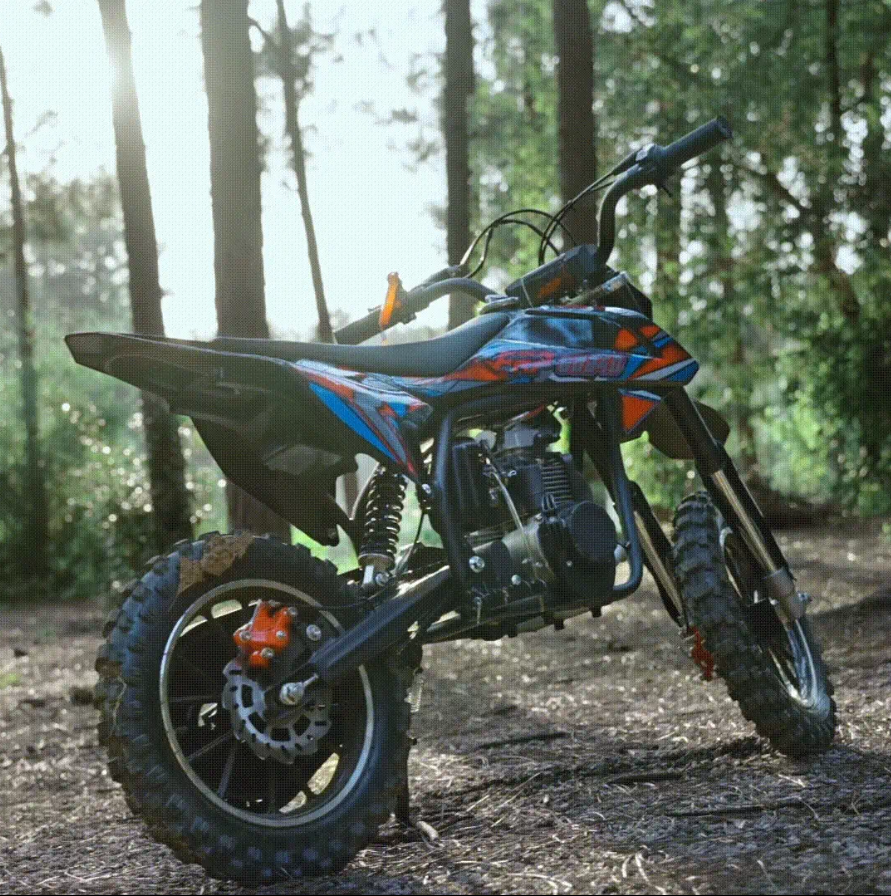
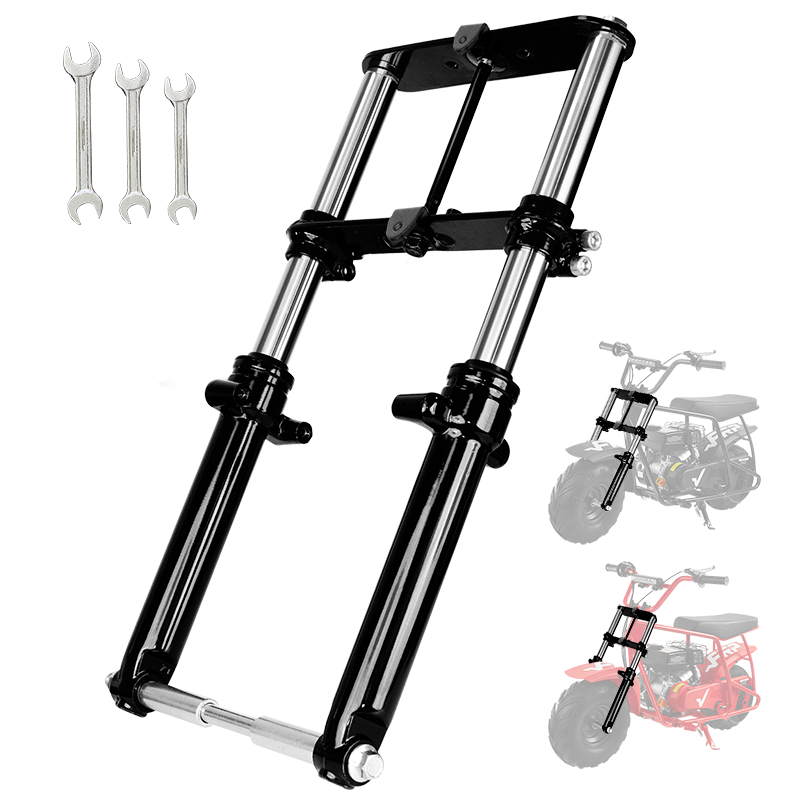
FRP GMB100P — OHV Trails & Off-Road
$499.99 · 99cc + Suspension fork
Suspension-equipped for OHV parks and state trail systems. Register with your state's OHV program and ride legal public trails.
View GMB100P →Frequently Asked Questions
Are mini bikes street legal in Texas?
Not on state highways or city streets. However, Texas law allows some counties to authorize OHV use on unpaved public roads — meaning in select rural counties, a registered OHV (including a mini bike with a Texas OHV decal) can be ridden on designated unpaved county roads. This varies by county. For OHV trails and private property, mini bike riding is legal statewide.
Are mini bikes street legal in California?
No. California has the most restrictive mini bike laws in the US. Street registration requires full FMVSS compliance. OHV trail use requires CARB certification. Most stock mini bikes sold nationally do not meet California CARB emissions standards for OHV registration. Verify CARB compliance before purchasing if you're in California and plan to ride public trails.
Are mini bikes street legal in Florida?
No for 99cc and larger engines. Florida's moped classification only applies to vehicles under 50cc capable of no more than 30 mph. A 99cc GMB100 does not qualify. Off-road use at designated state OHV parks is legal with appropriate permits and a valid driver's license for adult riders.
Do I need a license to ride a mini bike off-road?
On private property: no license required in any US state. On public OHV trails: most states require a valid driver's license for riders 16+ and an OHV registration/decal. Some states (Michigan, California) have mandatory safety certification for minors. Requirements vary — check your state's DNR site before heading out.
What states are most permissive for mini bike riding?
Texas (rural county road access in some areas), Georgia (possible road use if fully equipped), Arizona (extensive BLM and OHV access), and Michigan (strong organized OHV trail network) are among the most rider-friendly states. For off-road trail access specifically, Colorado, Arizona, and Michigan have the best infrastructure.
Is the FRP GMB100 street legal?
No — as sold, the GMB100 is an off-road vehicle and is not equipped for street use. It is EPA-certified for off-road use and legal on private property in all 50 states. For OHV trail access, check your state's OHV registration requirements. For a full breakdown of what street-legal conversion involves, see Is a Mini Bike Street Legal?
Ready to ride legally? Browse FRP's full lineup of street-compliant mini bikes — all with 99cc 4-stroke engines, disc brakes, and nationwide shipping. Browse all gas powered mini bikes →