TL;DR
- Most budget mini bikes cap at 150–170 lbs — not enough for most adult riders.
- The FRP GMB100 and GMB100P both support riders up to 220 lbs.
- Weight affects top speed: roughly 1–2 mph lost per 20 lbs above 150 lbs on a stock 99cc setup.
- For riders over 220 lbs, the GMB100 Frame with a 212cc engine is the correct build — more torque, same frame geometry.
- Frame construction matters more than weight limit specs — welded steel handles load differently than stamped steel at the same rated capacity.
If you're an adult with any concern about whether a mini bike can actually handle your weight, you're asking the right question before buying. Most of the cheap options online are spec'd for kids and lightly-built teens — the 150 lb or 165 lb weight limits printed on the product listing are real, not marketing language. Here's what the numbers mean and which bikes work for full-sized adults.
Mini Bike Weight Limits by Category
| Bike / Category | Weight Limit | Engine | Notes |
|---|---|---|---|
| Budget entry-level (most big box options) | 150–165 lbs | 40–80cc | Kids and lightweight teens only |
| Coleman CT200U | 220 lbs | 196cc | Handles adults; 138 lb bike is heavy to move |
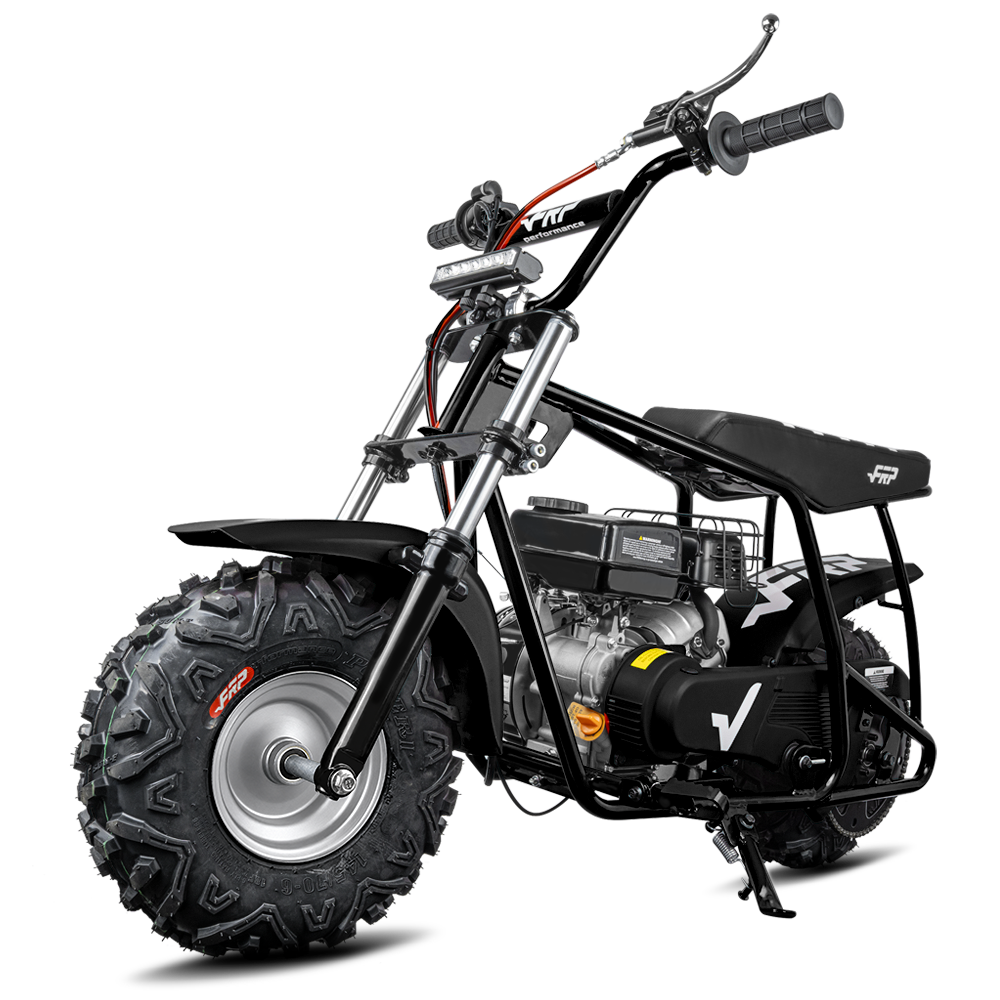
| FRP GMB100 | 220 lbs | 99cc | Full adult capacity, 79.5 lb bike weight |
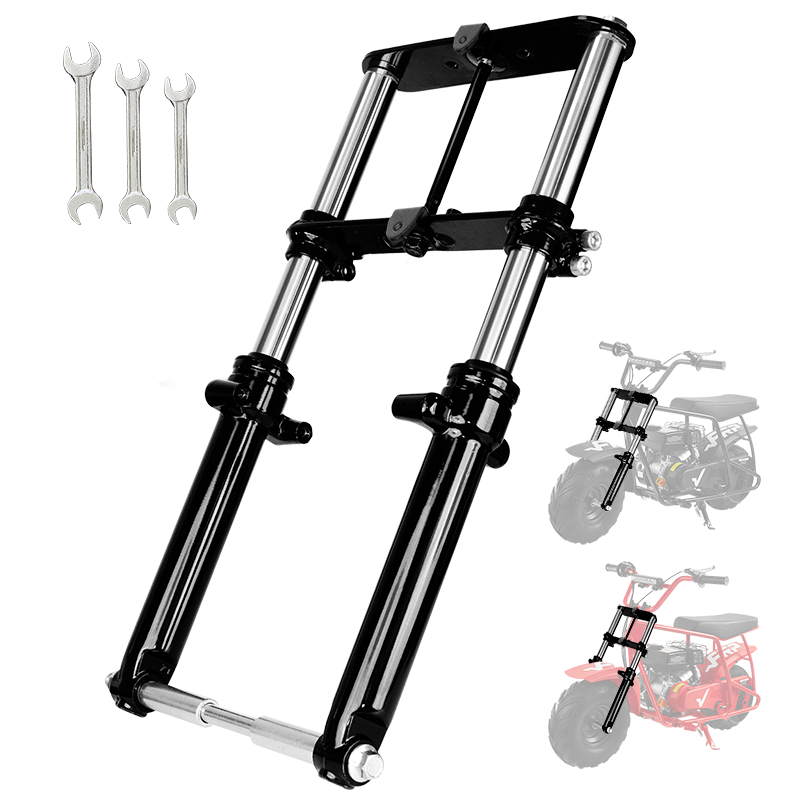
| FRP GMB100P | 220 lbs | 99cc | Suspension fork adds trail capability |
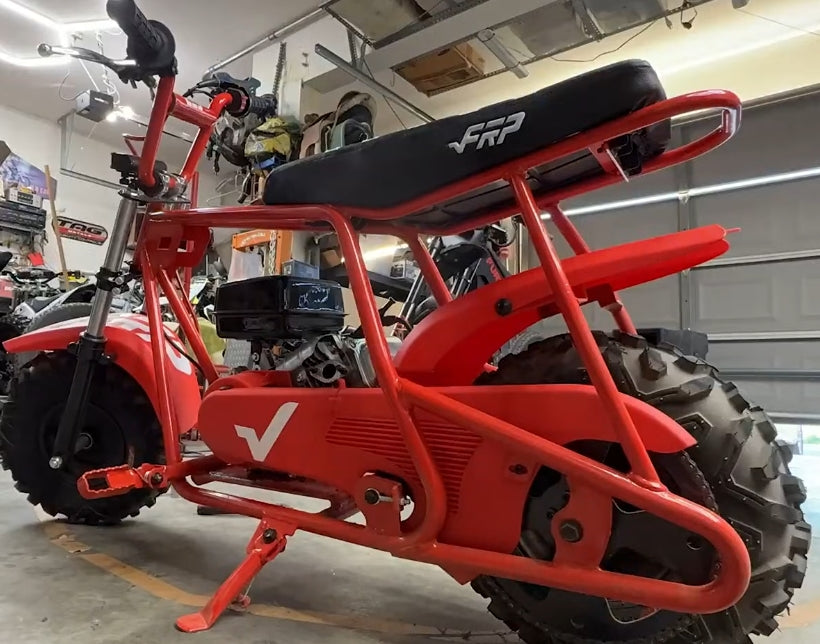
| FRP GMB100 Frame (212cc build) | 220 lbs+ | 99–212cc | More torque for heavier riders at speed |
The 220 lb capacity on the GMB100 is the designed limit, not an estimated ceiling. FRP's reinforced welded-steel frame geometry is built for adult-scale loads — this is a different construction than the stamped and pressed steel found in most entry-level alternatives that share the same weight limit numbers on paper.
What Weight Actually Does to Your Ride
Weight limit and riding experience are two different things. A 220 lb rider on a 99cc mini bike is within the rated capacity, but they'll feel the engine working harder than a 150 lb rider on the same bike. The practical effects:
Top speed. On a stock 99cc GMB100, a 150 lb rider typically reaches the top of the 24–28 mph range. A 200 lb rider is typically 2–3 mph lower. A 220 lb rider is closer to 24 mph flat ground. Still rideable — just not the 28 mph ceiling. For a full breakdown of how rider weight affects speed across engine sizes, see the mini bike speed chart by engine size.
Acceleration. More noticeable than top speed. Heavier riders will feel the engine taking longer to build speed off the line. This doesn't mean the bike is "too small" — it means it behaves like a loaded machine, which it is.
Braking. Stopping distance increases with rider weight at the same speed. The GMB100's disc brake is sized for its capacity range and handles 220 lb riders correctly. Drum-braked alternatives at the same weight limit are more affected.
For Riders Over 220 lbs: The Frame Build Approach
If you're above the 220 lb limit, the answer isn't to ignore the spec and ride anyway — frame stress accumulates, and the failure points are the welds and the axle, not the cosmetics. The better path is the GMB100 Frame with a 212cc engine build.
Here's why this works: the GMB100 Frame is designed for engines up to 212cc. A 212cc Predator produces significantly more torque than the 99cc — enough to pull heavier riders at the same speed range more comfortably. The frame geometry is the same reinforced welded steel, and the 212cc torque profile handles heavier loads at speed better than a 99cc working at its ceiling. Most 212cc builds on the GMB100 Frame come in around 35–40 mph stock, with better pull for larger riders than the 99cc at any speed. See the 212cc speed guide for what that build actually delivers.
Which FRP Setup Fits Your Rider Weight?

FRP GMB100
99cc · 220 lb limit
$379.99 · Disc brake
Best for riders up to 220 lbs on flat to moderate terrain
View GMB100 →
FRP GMB100P
99cc · 220 lb limit
$499.99 · Suspension fork
Adult riders on trails — suspension handles heavier riders on uneven terrain better
View GMB100P →
GMB100 Frame
Up to 212cc engine
$319.99 · Build your own
Heavier riders or higher performance — 212cc torque handles adult loads better at speed
View Frame →Frame Construction: Why Two 220 lb Bikes Are Not the Same
Two mini bikes can both say "220 lb weight limit" and perform very differently under that load. The spec describes the maximum — not how the bike behaves at that maximum.
Stamped and pressed steel frames, common in budget options, flex more under load — you feel it in the handling at the top of the weight range. Welded steel frames hold their geometry under load. The difference isn't immediately visible on a product listing, but it shows up when you're actually at 200 lbs on the bike and pushing into a turn.
FRP's GMB100 and GMB100P use reinforced welded steel construction throughout the main frame. Riders in the 180–220 lb range who have compared it to pressed-steel alternatives at similar prices consistently describe the FRP frame as "stiffer" and "more stable" — which is the correct outcome when the geometry stays true under load.
Terrain Impact: How Rider Weight Changes Off-Road Handling
Weight limit is a safety specification. Riding experience at different weights on different terrain is a separate question that most buying guides skip.
On flat surfaces: The weight difference between a 150 lb and 220 lb rider is mostly felt in top speed and acceleration, not handling. Both weights ride comfortably on the GMB100's rigid frame at backyard speeds. The 220 lb rider hits 23–24 mph where the 150 lb rider hits 27–28 mph — different ceilings, both functional.
On uneven terrain and trails: This is where frame construction and suspension start to matter. A 200 lb rider on a rigid frame mini bike at 20 mph on rutted terrain transmits significantly more force through the frame than a 150 lb rider at the same speed. Riders in the 180–220 lb range who ride trails consistently describe the GMB100P (with front suspension fork) as a noticeably different experience — the fork absorbs the hit before it reaches the rider's wrists and the frame's welds.
On hills: Weight affects uphill performance more than any other terrain variable. A 212cc engine has enough torque to pull 220 lbs up moderate grades. A 99cc at 220 lbs on a steep grade will feel the engine working. If your primary riding includes significant elevation changes — hills, berms, inclines — factor in the torque difference between 99cc and 212cc as a real performance variable, not just a speed number.
Setup Tips for Heavier Riders (180–220 lbs)
A few adjustments that make a real difference at the upper weight range:
- Tire pressure: Run 5–6 PSI on a rigid frame instead of the maximum rated pressure. Slightly lower pressure provides more compliance on rough surfaces and reduces the jarring feeling at heavier rider weights.
- Chain tension: Heavier riders create more drivetrain load. Check chain slack every 5–8 hours of riding and adjust before it loosens. A loose chain on a 200+ lb rider is more likely to skip or derail under hard acceleration than on a lighter setup.
- GMB100P suspension preload: Set to maximum for riders over 180 lbs. Factory preload is calibrated for the mid-range weight. Maximum preload prevents excessive fork dive under braking and maintains proper rake geometry.
Frequently Asked Questions
Buying used? Our used mini bike buying guide covers how to verify the actual weight limit of a used bike (listed limits vs real-world frame stress), plus the full 10-point inspection checklist before you hand over cash.
Next step: How Much Does a Mini Bike Cost in 2026? — price tiers, what each budget actually buys, and the full hidden-cost breakdown before your first purchase.
What is the weight limit for a mini bike?
It varies significantly by model. Budget entry-level mini bikes cap at 150–165 lbs — these are kids' bikes that happen to be marketed broadly. Adult-rated mini bikes like the FRP GMB100 and Coleman CT200U are rated to 220 lbs. For riders above 220 lbs, a frame-and-engine build approach with a 212cc motor provides the torque to compensate for the additional weight.
Can a 200 lb person ride a mini bike?
Yes, on the right bike. The FRP GMB100, GMB100P, and Coleman CT200U are all rated to 220 lbs — a 200 lb rider is within spec with comfortable margin. Expect a slight reduction in top speed compared to a lighter rider (roughly 3–4 mph on a stock 99cc), but the ride is fully functional and the frame handles the load correctly.
Can a 250 lb person ride a mini bike?
A 250 lb rider exceeds the rated capacity of most mini bikes, including the GMB100 at 220 lbs. The GMB100 Frame with a 212cc build is the appropriate path here — the 212cc engine's additional torque better manages heavier loads, and the reinforced frame construction is appropriate for the higher weight. This is a build project, not an off-the-shelf purchase, but it's well-documented and FRP's support line can walk through the specific build configuration.
Does rider weight affect mini bike speed?
Yes. On a stock 99cc GMB100, roughly 1–2 mph top speed loss per 20 lbs above 150 lbs. A 150 lb rider near the 28 mph ceiling; a 220 lb rider closer to 23–24 mph on flat ground. The effect is more pronounced on acceleration than on maintained top speed. A 212cc engine significantly reduces this gap — see the 212cc speed guide for specifics on how rider weight affects that setup.
What mini bike can hold 300 lbs?
No mass-market mini bike is rated to 300 lbs off the shelf. A custom build on the GMB100 Frame with a 212cc engine and appropriate gearing can handle higher weights, but this is outside normal spec range and requires frame evaluation. For riders in this weight range, a full-size motorcycle or a purpose-built off-road machine is the safer starting point.
Is the FRP GMB100 good for heavy adults?
Yes for adults up to 220 lbs. The 220 lb weight limit is genuine — not a marketing number. At the top of that range (200–220 lbs), the bike rides a few mph slower and accelerates more gradually than it does with a lighter rider, but it handles the load correctly. For riders who want higher performance at heavier weights, the GMB100 Frame with a 212cc build is the next step up.
Find the right FRP mini bike for your size — the GMB100 supports up to 220 lbs, the GMB100P adds front suspension for heavier riders on trails. Browse all adult mini bikes →