
Gas bikes and electric bikes may look similar at first glance, but the real difference goes far beyond the power source.
It affects how the bike feels to ride, how much effort you put in, and how well it fits into your everyday routine.
If you’re deciding between a gas-powered bike and an electric bike, this guide breaks down the real-world differences — not just specs on paper.

How Gas Bikes and Electric Bikes Actually Work
At the most basic level, the difference comes down to how power is delivered to the bike.
| Bike Type | How It’s Powered |
|---|---|
| Gas Bike | Gasoline engine delivers power mechanically through the drivetrain |
| Electric Bike | Electric motor and battery provide assisted or throttle-based power |
While this sounds simple, it leads to very different riding experiences once you’re on the bike.
What It Feels Like to Ride Each
The biggest difference between gas bikes and electric bikes shows up when you’re actually riding.
On Flat Terrain
Gas bikes deliver a direct, mechanical feel. Throttle input is immediate, and the riding experience feels hands-on and engaging.
Electric bikes feel smoother and quieter, with power delivered electronically rather than mechanically.
On Hills and Uneven Ground
With a gas bike, climbing hills requires throttle control and mechanical awareness. The torque is there, but it’s up to the rider to manage it.
Electric bikes provide consistent assistance, but riders need to plan around battery range and charging intervals.
In Stop-and-Go Riding
Gas bikes offer a familiar engine-driven experience, especially for riders comfortable with small engines.
Electric bikes shine in low-effort riding situations, with smooth starts and quiet operation.
After the Ride
Gas bikes often leave riders feeling more involved and connected to the machine.
Electric bikes tend to feel more relaxed and less physically demanding, especially over longer rides.
Time, Money, and Everyday Ownership
Beyond riding feel, ownership experience plays a big role in deciding between gas and electric.
| Factor | Gas Bike | Electric Bike |
|---|---|---|
| Refueling / Charging | Quick refueling keeps rides going | Requires charging and planning ahead |
| Maintenance | Basic engine maintenance and mechanical care | Lower routine maintenance, battery health matters long-term |
| Ownership Feel | Hands-on and mechanical | Convenient and low-effort |
Which One Fits Your Real Life?
There’s no single “better” option — the right choice depends on how you actually ride.
- Gas bikes are a strong fit for riders who enjoy mechanical simplicity, quick refueling, and a traditional riding feel.
- Electric bikes appeal to riders who prioritize ease of use, quiet operation, and reduced physical effort.
Your terrain, riding frequency, and personal preferences matter more than the technology itself.
Where FRP Gas Bikes Fit In

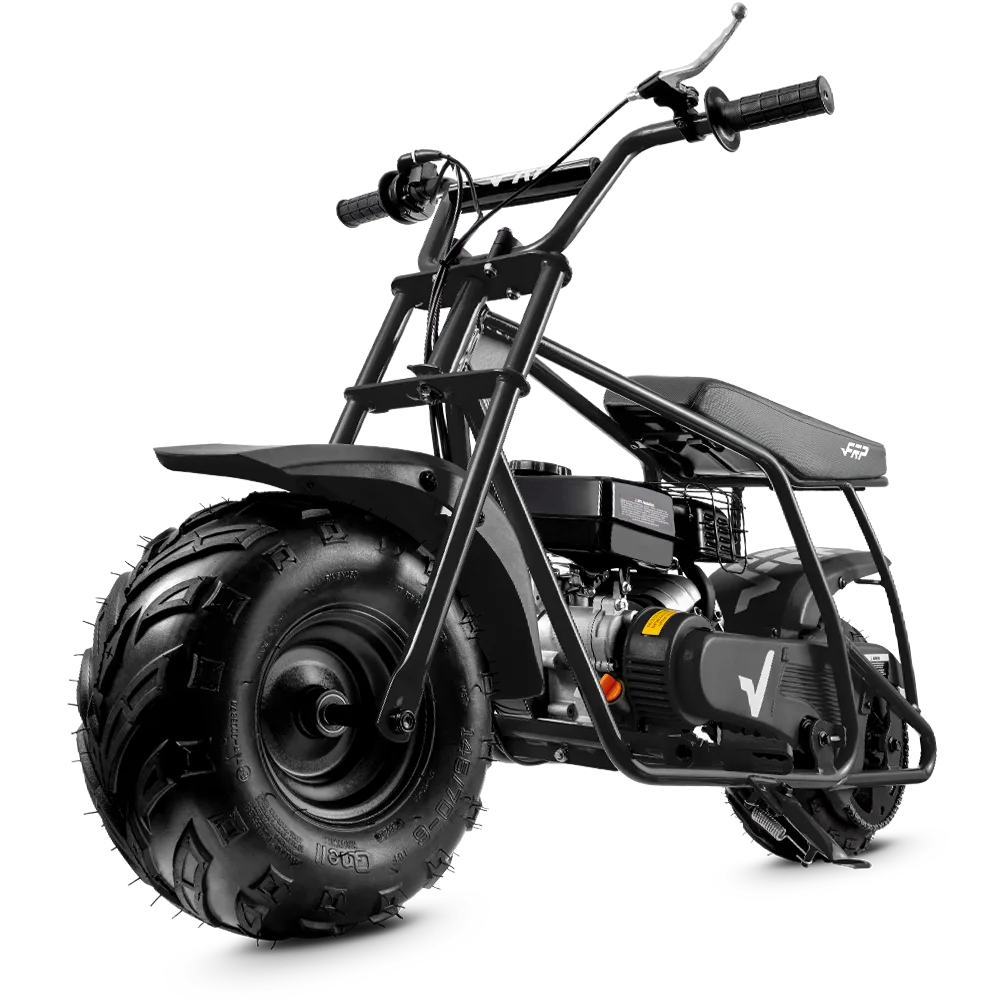
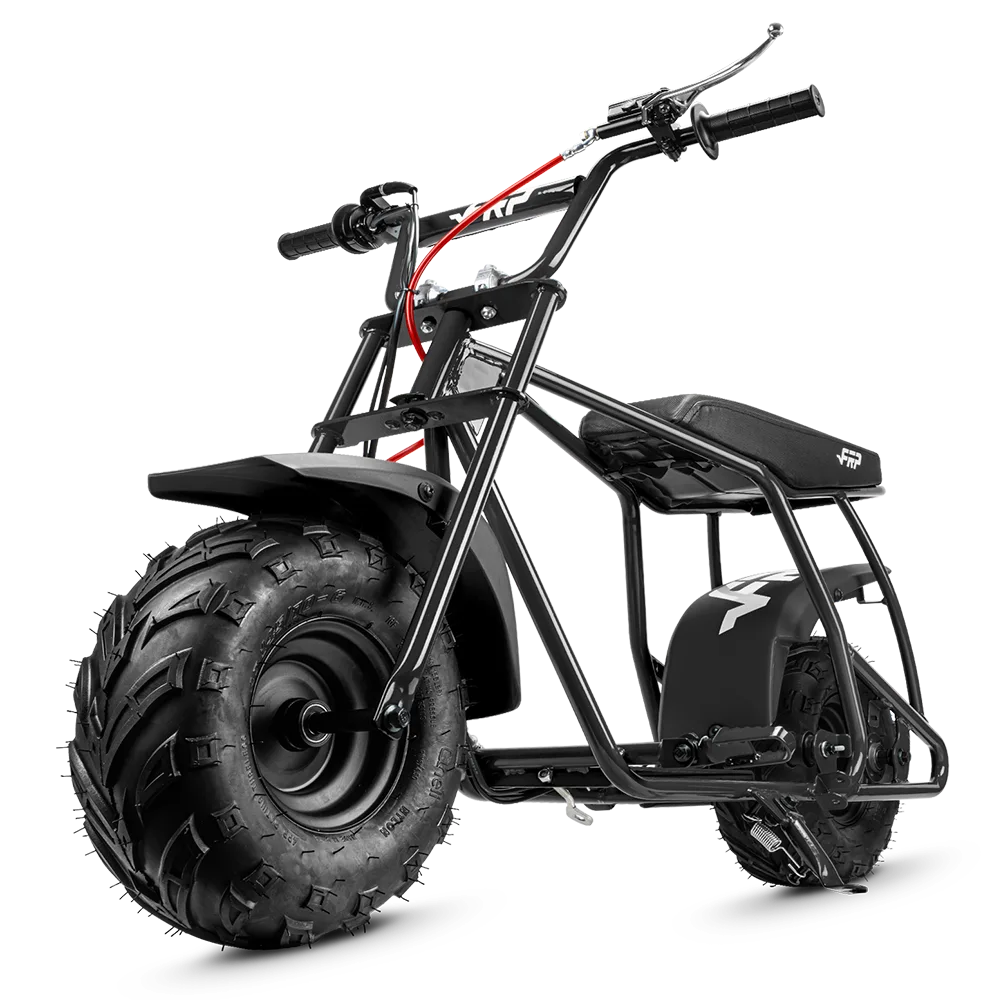
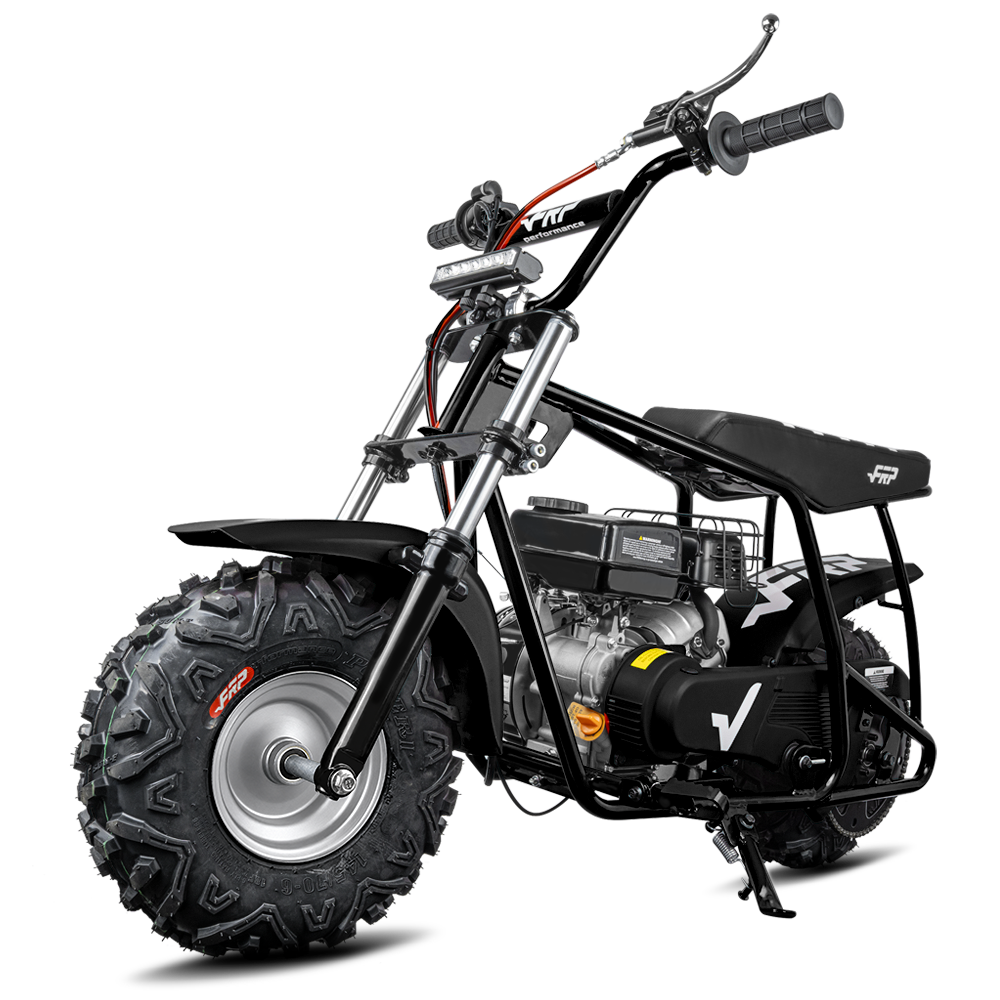
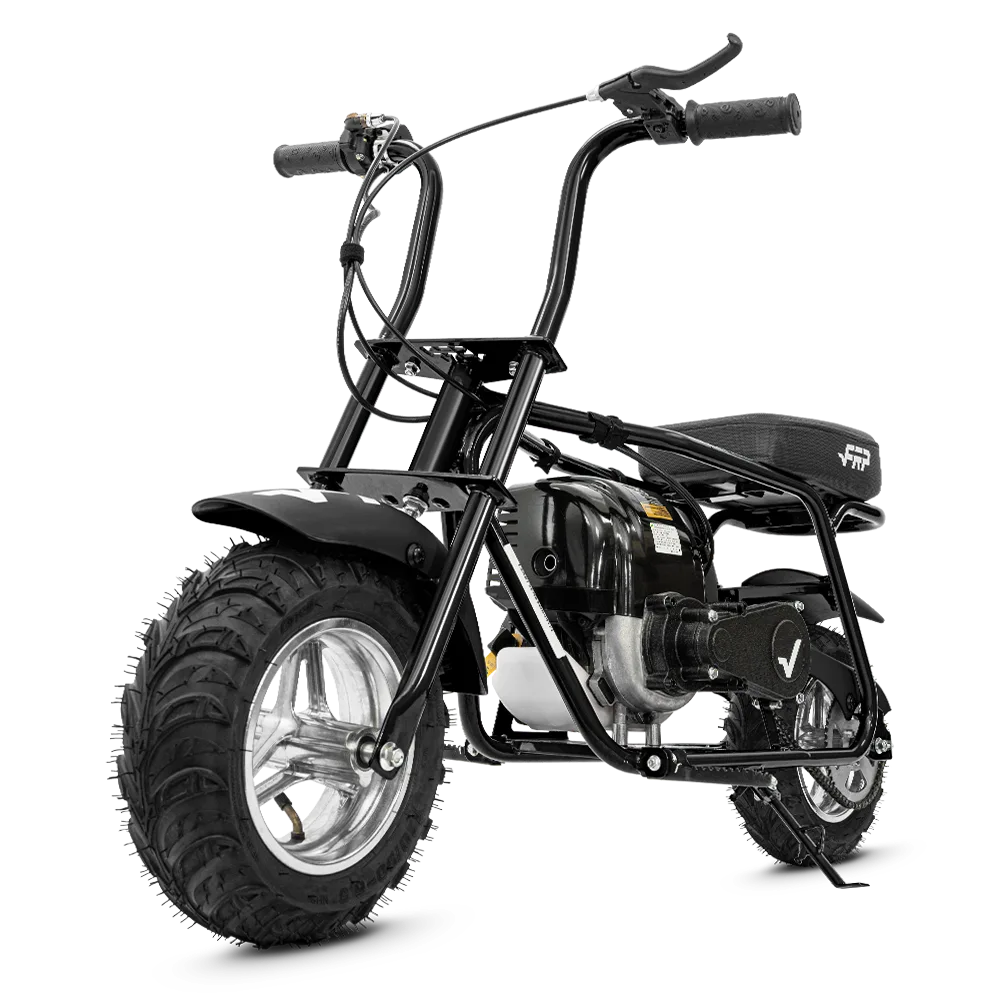
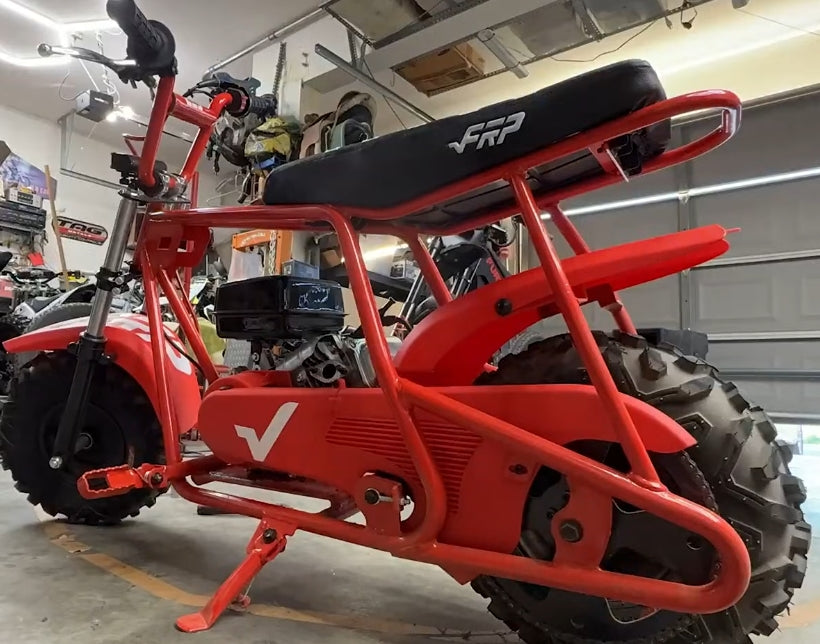
FRP focuses on gas-powered mini bikes designed for off-road riding and recreational use.
Models like the FRP GMB100 are built for stable, approachable riding, while youth-oriented options such as the MB40 and FX40 help new riders gain confidence.
For builders, FRP also offers frame options that allow for custom projects and long-term ownership.
Final Thoughts: Gas Bike or Electric Bike?
The real difference between gas bikes and electric bikes isn’t about which is better — it’s about which fits your lifestyle.
If you value a hands-on riding experience and quick refueling, a gas bike may be the right fit. If convenience and low-effort riding matter most, an electric bike may align better with your needs.
Understanding how you ride is the best way to choose.